




Granite Cube Paving Patterns Used in Historic European Streets
Across many historic European cities, granite cube paving has been a defining element of urban streets for centuries. From medieval town centers to iconic plazas, these natural stone cubes-often called cobblestones-create durable road surfaces while adding distinctive architectural character.
The patterns used in granite cube paving are not only decorative but also functional, helping to distribute loads, improve surface stability, and manage drainage. Today, many modern infrastructure and heritage restoration projects continue to follow these traditional paving methods. Zhenhao stone company is able to supply you many types of granite cube paving patterns for your project.
Why Granite Cubes Were Used in Historic Streets
Granite was historically chosen for street paving because of its exceptional durability. Dense and highly resistant to abrasion, granite cubes could withstand horse traffic, carts, and later motor vehicles without significant wear.
Historic European paving systems also relied on carefully arranged patterns to strengthen the pavement structure and prevent stones from shifting under heavy loads.
Key benefits of granite cube paving include:
- long service life
- strong load-bearing capacity
- natural slip resistance
- resistance to weathering
- easy replacement of individual stones
These qualities explain why many historic streets built hundreds of years ago are still in use today.
Common Granite Cube Paving Patterns
Fan Pattern
The fan pattern is one of the most recognizable paving styles in historic European towns. Stones are arranged in curved arcs radiating from a central point, creating a fan-like shape.

Advantages
- distributes traffic loads evenly
- flexible layout for curved streets
- highly decorative appearance
This pattern is frequently seen in old town squares and heritage districts.
Arc Pattern
The arc pattern uses rows of granite cubes arranged in sweeping curves across the pavement.

Benefits
- strong structural interlock
- suitable for sloped streets
- effective drainage across the surface
- Arc paving patterns are common in historic streets with gentle slopes.

Running Bond Pattern
The running bond pattern places granite cubes in straight rows with staggered joints.
Advantages
- simple installation
- strong structural stability
- suitable for narrow streets and walkways
This pattern is often used in lanes and pedestrian streets.

Random Cobblestone Pattern
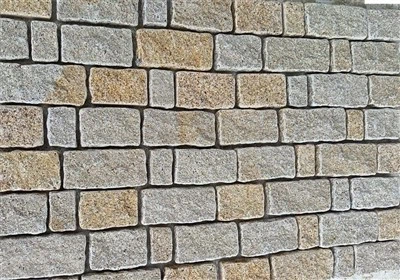
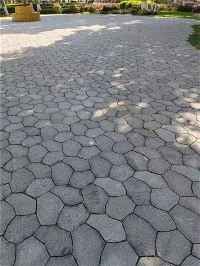
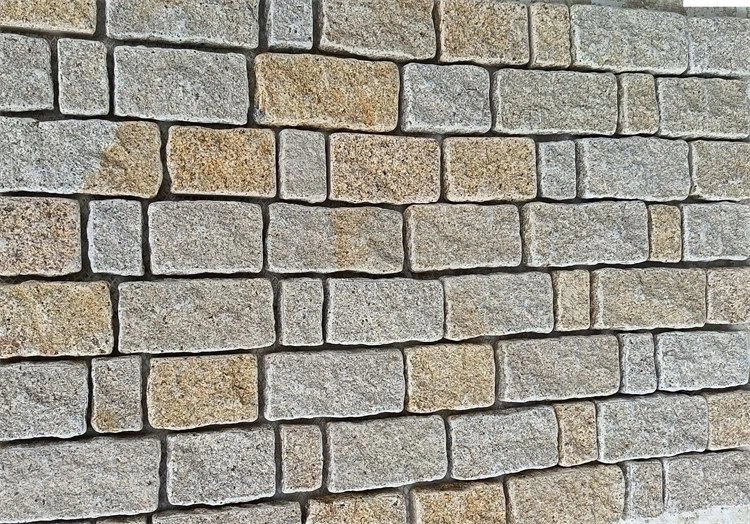
In some historic areas, granite cubes were installed in a random layout, especially when stones varied in size.
Characteristics
- rustic appearance
- flexible installation
- traditional old-world street aesthetic
- Random patterns are common in medieval streets and rural towns.
Granite Cube Sizes Traditionally Used
Typical cube sizes used in historic paving include:
| Size | Application |
|---|---|
| 100 ×100 × 50 mm | walkways, pedestrian streets |
| 100 × 100 × 100 mm | streets and plazas |
| 100 × 150 × 100 mm | heavy traffic areas |
Modern Applications Inspired by Historic Streets
Today, granite cube paving patterns inspired by historic European streets are widely used in:
- historic district restoration
- pedestrian plazas
- cultural heritage sites
- luxury residential driveways
- landscape architecture projects
- urban design and public squares
Architects and planners often choose granite cubes to create a timeless atmosphere while maintaining a durable paving system.
Natural Stone Solutions from Zhenhao Stone
To support urban paving and landscape design projects, Zhenhao Stone Company focuses on producing high-quality natural stone building materials for international markets. The company provides a variety of architectural stone products suitable for both exterior and interior applications.
Its portfolio includes granite cube paving stones, outdoor granite paving tiles, and other natural stone materials designed for municipal streets, plazas, pedestrian areas, and landscape projects.
With a commitment to quality and consistent production standards, Zhenhao Stone continues to deliver durable stone solutions that help architects and contractors create long-lasting and visually striking paving systems inspired by historic European streets.