


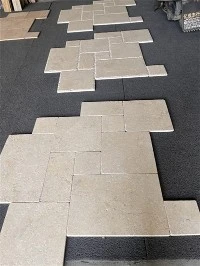
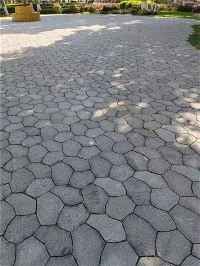


Sandstone
Zhenhao Stone Co. has a 53,000M2 granite factory and a 10,000M2 marble factory, which respectively process exquisite granite and marble products and export them to the Japanese and European and American markets. We can provide you with high-quality sandstone products.
At our factory, we take pride in providing our customers with the highest quality Sandstone products. Our skilled craftsmen work with state-of-the-art machinery to ensure that each tile is precisely cut and polished to perfection. We are committed to meeting our customers' needs and exceeding their expectations with every order.

01
High Quality
Integrated factory strength to support all kinds of sandstone customization
02
Advanced Equipment
Fully equipped machines for our stone production
03
Professional Team
Supervisors, CAD drawer, QC, Sales Team working together for you
04
Custom Service
Do our best for you.
Products Description
Sandstone is a popular natural stone that is prized for its strength, adaptability, and distinctive aesthetic attributes. Our business takes great delight in creating high-quality sandstone items that satisfy consumer demand.
Our sandstone materials are perfect for a variety of applications since they are available in a variety of colors, textures, and finishes. To satisfy the unique requirements of our clients, we may provide sandstone tiles that are personalized. We have the sandstone you need whether for construction facades, interior design, or landscaping projects.
Popular Sandstone Colors
Color 01
Beige Sandstone
Color 02
Red Sandstone
Color 03
Grey Sandstone
Average Density of Sandstone
Sandstone is a beautiful rock that consists of consolidated sand grains that have been naturally cemented together. The average density of sandstone is around 2.65 grams per cubic centimeter, putting it on the same density level as granite. This means that it is a relatively heavy rock that often has impressive formations that evoke a sense of awe and wonder in those who see it.
Sandstone is a versatile and durable material that can be used in a wide range of applications. Sandstone flooring is a popular choice in both residential and commercial settings. Its durability, slip resistance, and natural texture make it a practical and aesthetically pleasing option for high-traffic areas and can add a touch of natural beauty to any room.
Sandstone floor tiles
Sandstone pavers
Sandstone steps
Sandstone walkway
Sandstone wall tiles
Interior sandstone walls
Sandstone patio tiles
Sandstone kitchen floor tiles
Sandstone coping stones
Sandstone pavers pool
Sandstone Products


our sandstone Properties
Sandstone is a resilient, versatile, and sustainable building material with a unique combination of properties that make it perfect for a wide range of applications. Its durability, aesthetic appeal, thermal efficiency, and eco-friendliness are just a few of the reasons why sandstone is such a valuable and popular choice for construction projects.
Durability
Sandstone is formed by the accumulation of sand-sized particles, cemented together by natural substances like silica, carbonates, and clay. These natural binders make sandstone very resistant to weathering, erosion. Sandstone can withstand extreme temperature changes and weathering processes, making it ideal for outdoor construction projects.
Aesthetic qualities
Sandstone comes in various colors and textures, ranging from light hues of yellow, pink, and red to darker shades of brown, gray, and even green. The natural variations in color and patterning of sandstone make it an attractive and versatile option for decorative elements, such as wall cladding, flooring, roofing, and statues.
Thermal efficiency
Due to its high thermal conductivity, sandstone can absorb and store heat from the sun during the day and release it slowly at night, making it an excellent material for passive solar heating and cooling systems. This makes sandstone an eco-friendly and energy-efficient choice for construction projects.
How to identify sandstone?
Sandstone is a type of sedimentary rock that is made up of sand-sized particles of mineral, rock, or organic materials. It is a beautiful and practical material that has been used for centuries in construction, landscaping, and artistic expression.
Look at the color:
Sandstone comes in a variety of colors, including white, beige, yellow, red, brown, and gray. The color is usually determined by the minerals that make up the sandstone, and it can vary widely depending on the location where it was formed.
01
Examine the texture:
Sandstone is a granular rock that is made up of sand-sized particles. The texture of sandstone can be either smooth or rough, depending on the type and size of sand particles that were used to form the rock.
02
Check for hardness:
Sandstone is a relatively soft rock that can be easily scratched with a steel knife or nail. However, it is also dense and durable, making it a popular choice for building and construction.
03
Identify the natural patterns:
Sandstone has interesting and unique patterns that are created by the different layers of sediment that were deposited over time. These patterns can include ribbons, swirls, and cross-bedding.
04
Look for fossils:
Sandstone also contain fossils of ancient plants, animals, and marine life that were preserved in the sedimentary layers. These fossils can give clues to the age and environment in which the rock was formed.
05
Types of Sandstone
Sandstone is a type of sedimentary rock that is composed of sand-sized grains of minerals, rock fragments, and/or organic materials. It is considered as one of the most durable and versatile building materials that exist in the world.


How to maintain the sandstone tile
1. Clean Regularly
Regular cleaning is essential for maintaining the beauty of your sandstone tiles. Dirt, grime, and other debris can build up on the surface of the tiles, causing dullness and discoloration. Use a soft-bristled brush or a mop to gently clean the tiles regularly. Avoid using harsh chemicals or abrasive cleaners as they can damage the surface of the material.
2. Sealing
Sealing your sandstone tiles is another crucial step in maintaining their longevity. Sandstone is a delicate material and is prone to staining. A good sealant will protect the tiles from spills and stains. Apply the sealant as per the manufacturer's instructions as it will also help to enhance the natural beauty of the stone.
3. Remove Stains Immediately
If you spill something on your sandstone tiles, clean it up immediately. Oil spills, for example, can penetrate the surface of the tile and cause permanent stains. Take care when using chemicals around your sandstone tiles, and wipe up spills as soon as they happen.
4. Regular Maintenance
Regular maintenance is critical for keeping your sandstone tiles in great condition. Inspect the tiles regularly for damage, chips, and cracks. If you find any issues, address them as soon as possible to prevent further damage.
5. Professional Cleaning
Professional cleaning is recommended at least once a year. A professional stone cleaning company can thoroughly clean your sandstone tiles removing any stains, restoring the natural color of the stone, and leaving it looking as good as new.
In conclusion, with proper maintenance, sandstone tiles can last a lifetime and add elegance to any home. By cleaning regularly, sealing, removing stains immediately, regular maintenance, and professional cleaning, you can maintain the beauty of your sandstone tiles for years to come.
Differences between sandstone and limestone
Sandstone and limestone are both popular types of natural stone commonly used in construction and for decorative purposes. Sandstone is a great option for creating a rustic, natural look, while limestone is ideal for creating a classic, elegant feel. Ultimately, the choice between sandstone and limestone will depend on the specific project's requirements and personal preference.

Sandstone Composition
Sandstone is a sedimentary rock made up of sand-sized grains of mineral, rock, or organic material. It is typically formed in areas where there was once a large accumulation of sand, such as deserts, beaches, and riverbeds. Sandstone is often recognized by its unique texture, which is created by the individual grains of sand pressing against each other. It is available in different colors, including shades of beige, red, yellow, and grey.
Limestone Composition
Limestone is a sedimentary rock that is primarily composed of calcium carbonate. It is formed from the accumulation of shells, coral, and other marine debris. Limestone is typically lighter in color than sandstone and can range from white to gray to tan. It is also known for its durability and resistance to weathering, making it a popular choice for outdoor applications such as building facades and landscaping.


natural sandstone cladding
Sandstone is typically more porous and better suited for indoor use or in areas that do not receive a lot of moisture.
the Limestone
Limestone, on the other hand, is less porous, making it a better choice for outdoor applications where it will be exposed to the elements.

how to seal sandstone tiles?
Clean the tiles thoroughly to remove any dirt, grime, or stains.
Allow the tiles to dry completely before applying the sealer.
Choose a high-quality sealer that is suitable for sandstone tiles.
Apply the sealer evenly and generously with a brush or roller.
Allow the sealer to penetrate the tiles for the recommended time.
Wipe off any excess sealer with a clean, dry cloth.
Allow the sealer to dry completely before walking on or using the tiles.
By following these steps, you can protect sandstone tiles from water damage, staining, and wear and tear.
How to clean sandstone?
It is essential to clean your sandstone regularly to maintain its beauty and longevity.
Sandstone is a beautiful natural rock used for various purposes such as flooring, walls, and tabletops. With its unique texture and color variations, sandstone adds a touch of elegance to any space it is used in. However, over time, sandstone can accumulate dirt, grime, and stains, which can make it look unsightly. Here are some simple steps for cleaning sandstone:
1. Sweep or vacuum the surface of the sandstone to remove loose dirt and debris.
2. Fill a bucket with warm water and add a few drops of a mild soap or detergent.
3. Dip a soft-bristled brush or cloth in the soapy water and gently scrub the surface of the sandstone.
4. Rinse the sandstone thoroughly with clean water to remove any soap residue.
5. Allow the sandstone to air dry or use a soft towel to dry it off.
need something done to take off the stains?
Cleaning sandstone is a simple and rewarding task that can help maintain the beauty and longevity of your sandstone surfaces. By following these simple steps and tips, you can keep your sandstone looking clean, fresh, and new for years to come. If your sandstone has tough stains or grime, you may need to take some extra steps to clean it effectively. Here are some additional tips:
For oil or grease stains, use a poultice made of baking soda and water. Apply the poultice to the stain, cover it with plastic wrap, and let it sit for 24 hours before removing it with a spatula.
For rust stains, you can use a commercial rust remover or a mixture of lemon juice and salt. Apply the solution to the stain and let it sit for a few hours before rinsing it off.
For mold or mildew, use a mixture of water and vinegar. Apply the solution to the affected area and let it sit for an hour before scrubbing it off.
FAQ
Q: How does your factory handle quality control?
Q: How long has Zhenhao Stone Company been in business?
Q: What is your term of payment?
Q: Why choose Zhenhao Stone Co.?
Q: How to contact your company?
Q: Can I customize sandstone?
Q: Why our clients choose and believe us?
Q: Is sandstone a good building material?
Q: Is sandstone man made or natural?
Q: Is sandstone good for patios?
Q: Can sandstone paving slabs be used for both indoor and outdoor projects?
Q: What are sandstone coping stones?
Q: What sizes are available for sandstone paving slabs?
Q: What are the color options for sandstone paving?
Q: What is the cost of sandstone paving slabs?
Q: Can sandstone paving slabs be used for driveways?
Q: Are sandstone paving slabs slip-resistant?
Q: How do I clean and maintain sandstone paving slabs?
Q: How long do sandstone paving slabs last?
Q: Can sandstone paving slabs be laid over existing concrete?
Q: Are there any environmental concerns with using sandstone paving slabs?
Q: What is honed sandstone paving?
Q: What is sandblasted sandstone paving?
Q: What is mixed-size sandstone paving?
Q: Can I use sandstone paving slabs as stepping stones in my garden?
Q: What is the difference between sandstone and limestone?
Q: Is sandstone paving slippery when wet?
Q: Can sandstone paving be used around a swimming pool?
Q: Can sandstone coping stones be used to cap garden walls?
Q: Are sandstone paving slabs porous?
Q: What is the maximum recommended size for sandstone paving slabs?
Q: What is the difference between sandstone and granite paving?
Q: Can sandstone paving slabs be used for garden paths?
Q: What is the difference between sandstone and slate paving?
Q: How long does it take for sandstone paving slabs to dry after installation?
Q: What is the best way to store sandstone paving slabs before installation?
Q: Is sandstone an igneous rock?
Q: Is sandstone a good building material?
Our Service Processes
"We strive to create an atmosphere where our guests feel like VIPs, ensuring their comfort and satisfaction is our top priority."
Pre-sales Consultancy
1
>>
Confirmation of order
2
>>
Production, Inspection and Packing
3
>>
Arrange Shipping
4
>>
Make Document
5
>>
After-sale Services
6
some statistics about us you must know
Choose the most professional and sincere supplier, like Zhenhao stone company
25
+
Years of experience
36
%
TECHNICIANS & WORKERS
578
+
SATISFIED CUSTOMERS
1984
+
completed projects

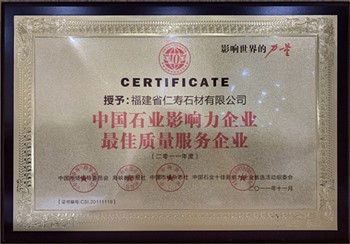
enterprise Honor and qualification
Official Certification, Professional and Sincere Supplier in China

Best Brand

trustworthy

Good Credit
Best Quality

Excellent supplier
How to cooperate with us ?
[Inquiry Phase]
📥 Client Inquiry → 📊 PI & Samples → ✔ Order Confirmation
[Production Phase]
💵 Deposit Payment → 🏭 Production → 🔍 Quality Check
[Shipping Phase]
📦 Packing & Loading → 📄 Export Docs → 🚢 Cargo Departure
[Customs Phase]
🛃 Submit Import Docs → 💰 Pay Duties → 🚚 Final Delivery
Upgrade your project with premium stone!
Reach out to Diana at Zhenhao Stone for expert advice:
✉️ diana@zhenhaostone.com | WeChat: diana_peng1984
Let’s bring your vision to life—contact us now!
Remember that sandstone is a valuable and useful material that has countless applications, so take the time to appreciate its beauty and unique qualities. It is worthy for you to buy it for your projects.
More keywords searches:
Red sandstone pavers, red sandstone tile, red sandstone stairs, red sandstone for sale, sandstone beige tile, red sandstone floor tiles, grey sandstone paving, beige sandstone tile, yellow sandstone, natural sandstone patio, sandstone coping for pool, sandstone paving tiles, sandstone paving suppliers, sandstone factory, red sandstone suppliers, sandstone exporters, and more, thank you.