

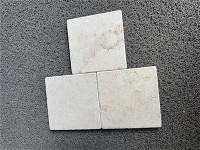
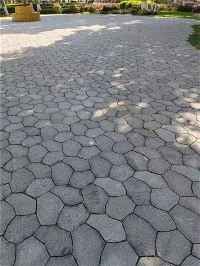


Tumbled Limestone French Pattern
Size:200x200mm, 200x400mm, 400x400mm,or cut to sizes
Thickness: 18mm, 28mm
Finish: sawn and tumbled, leathered and tumbled
Application: Floor, and wall, coping
Port of Loading: Xiamen port, China

Tumbled Limestone French Pattern: The Beauty of Naturally Aged Stone
Some paving materials look new when they are installed. Others look as though they have always belonged to the place. Tumbled Limestone French Pattern belongs to the second category.
With its softly worn edges, gentle beige coloring, and varied tile sizes, this natural stone paving creates an atmosphere of relaxed elegance. It does not rely on sharp lines or a perfectly uniform appearance. Instead, its charm comes from subtle imperfections, natural textures, and a pattern that feels both traditional and timeless.
For architects, landscape designers, builders, and homeowners looking to create welcoming outdoor spaces, tumbled limestone offers a distinctive alternative to conventional paving materials.

A Surface That Tells a Different Story
The appeal of tumbled limestone begins with its edges. During the tumbling process, limestone pieces are gently abraded to soften their corners and create a more weathered appearance. The result is a less rigid look that works particularly well with natural surroundings.
When arranged in a French pattern, multiple tile sizes form a coordinated layout with a pleasing sense of movement. The combination of softened edges and a varied pattern gives the paving a character that is difficult to achieve with standard rectangular tiles.
Beige limestone is especially attractive for this style. Its understated color can make a courtyard feel warmer, soften the appearance of a large terrace, and complement materials such as timber, brick, stucco, and natural greenery.
The beauty lies in the overall effect rather than in any single tile.
Why Designers Appreciate the French Pattern
A successful landscape design needs balance. Repeating one tile size can sometimes make a large paved area feel monotonous, while an overly decorative pattern may compete with the architecture.
The French pattern offers a middle ground. Its combination of different dimensions creates visual variation without requiring elaborate decoration.

This makes it suitable for several design directions:
- Mediterranean homes: Pair beige limestone with warm plaster walls, terracotta accents, and olive trees.
- Contemporary villas: Use the natural texture to soften clean architectural lines and expansive glass facades.
- Country-style residences: Combine tumbled paving with garden planting, timber features, and traditional masonry.
- Coastal properties: Coordinate pale limestone with neutral outdoor furniture and light-colored exterior finishes.
The same stone can produce different effects depending on the surrounding materials, joint color, laying pattern, and landscape design.
Beyond the Patio: A Coordinated Landscape Material
Tumbled Limestone French Pattern is not limited to one outdoor floor. It can help establish a consistent material language across several parts of a property.
A garden terrace can transition into a paved walkway, while matching limestone pieces can be used for selected low-wall caps, coping, and landscape details. This coordination makes the design feel intentional rather than assembled from unrelated materials.
For projects that connect interior living areas with covered terraces, limestone may also be considered for both spaces, provided the selected finish, installation method, and environmental conditions are appropriate.
Swimming pool surrounds require particular attention. The stone should be evaluated for wet-slip performance, water exposure, and compatibility with pool-treatment chemicals. A tumbled edge creates an aged appearance, but it does not automatically make the surface slip-resistant.
Selecting the Right Finish and Thickness
The final appearance of limestone depends on more than its color and pattern. Surface treatment and thickness also influence where it can be used.
At Zhenhao Stone, French pattern limestone can be discussed in different specifications, including:
common finishes

Sawn and tumbled:
The sawn face provides a relatively even surface, while the tumbled edges create a softer, aged appearance. This is a versatile choice for projects seeking a balance between clean lines and rustic character.
Leathered and tumbled:
A more tactile face combines with softened edges to create additional surface character. The suitability of this finish depends on the particular limestone and its intended application.
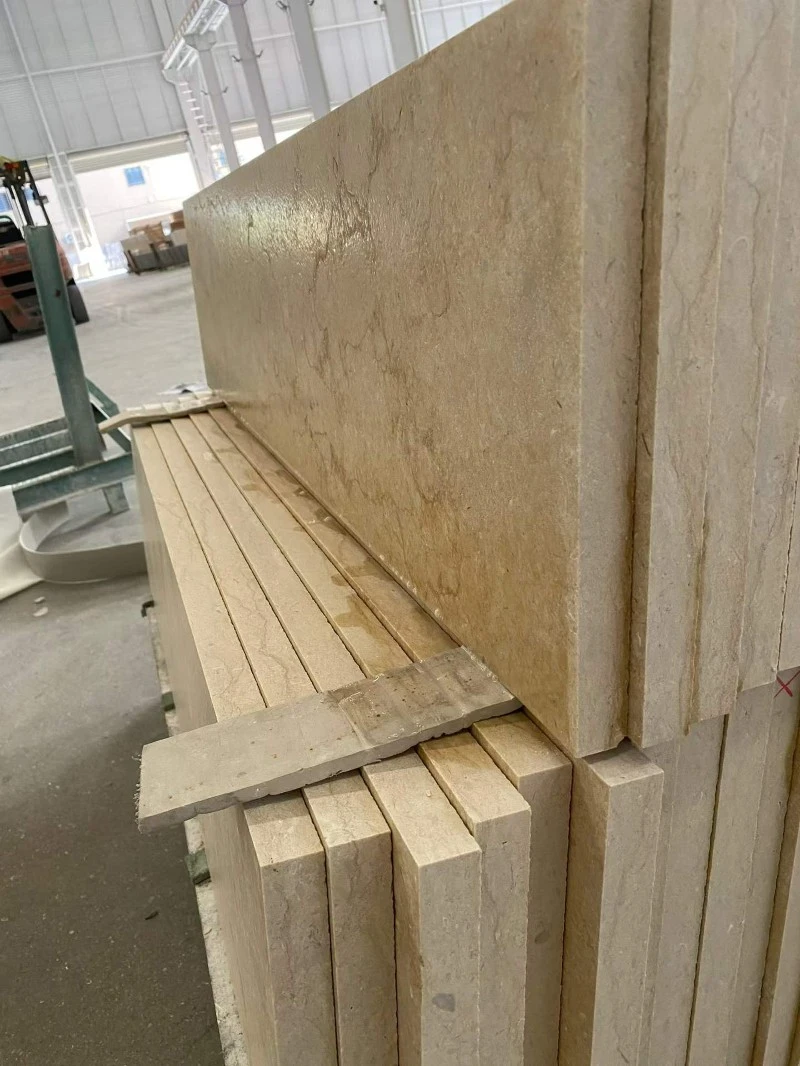
18mm thickness: May suit interior flooring and certain properly supported paving systems.
28mm thickness: May be suitable for selected outdoor paving applications, depending on the stone's properties, loading requirements, and installation design.
The appropriate specification should always be confirmed for the actual project. Outdoor paving performance depends on the complete installation system, not simply on stone thickness.
Natural Variation Is Part of the Design
One important consideration when ordering limestone is that natural stone is not a factory-printed surface. Pieces from the same material can differ slightly in shade, veining, fossil content, and texture.
For many designers, this variation is precisely what makes limestone attractive. A carefully balanced mix of tones gives the finished paving a more natural appearance.
However, projects with strict color requirements should establish an acceptable range before production. Reviewing samples and, for larger orders, arranging a dry layout can help buyers understand how the pieces work together.
Installation planning also matters. The French pattern should be laid according to the agreed module arrangement, with attention to joint spacing, perimeter cuts, drainage, and transitions between different surfaces.
A Practical Choice for Long-Term Outdoor Design
Limestone is a natural material, and its long-term appearance depends on the stone selected, the local climate, the installation quality, and ongoing maintenance.
For outdoor use, buyers should consider water absorption, exposure to rain and frost where relevant, cleaning methods, and the suitability of the stone for the intended environment. Appropriate installation and maintenance can help preserve the appearance of the paving over time.
A compatible cleaning product should be used, as acidic cleaners may damage limestone. Sealing may be appropriate for some applications, but the correct product and maintenance schedule depend on the stone and site conditions.
Rather than choosing paving solely for its initial appearance, it is worth considering how the material will age and how it will be maintained throughout the life of the project.
Zhenhao Stone: Natural Stone for Individual Projects
At Zhenhao Stone, we work with natural stone materials for architectural, residential, and landscaping applications. Our range includes limestone, granite, marble, travertine, quartzite, porphyry, and basalt.
For buyers considering Tumbled Limestone French Pattern, we can discuss material selection, color preferences, dimensions, thickness, surface finishes, processing details, and export packing according to project requirements.
Whether the goal is a welcoming garden courtyard, a refined villa terrace, or a coordinated landscape design, the right limestone can provide a natural foundation for the entire space.
Explore natural limestone for your next project at abdstone.com, or contact Zhenhao Stone to discuss your required specifications.
Hot Tags: tumbled limestone french pattern, China tumbled limestone french pattern supplier, factory
Previous
No InformationYou Might Also Like


Send Inquiry