

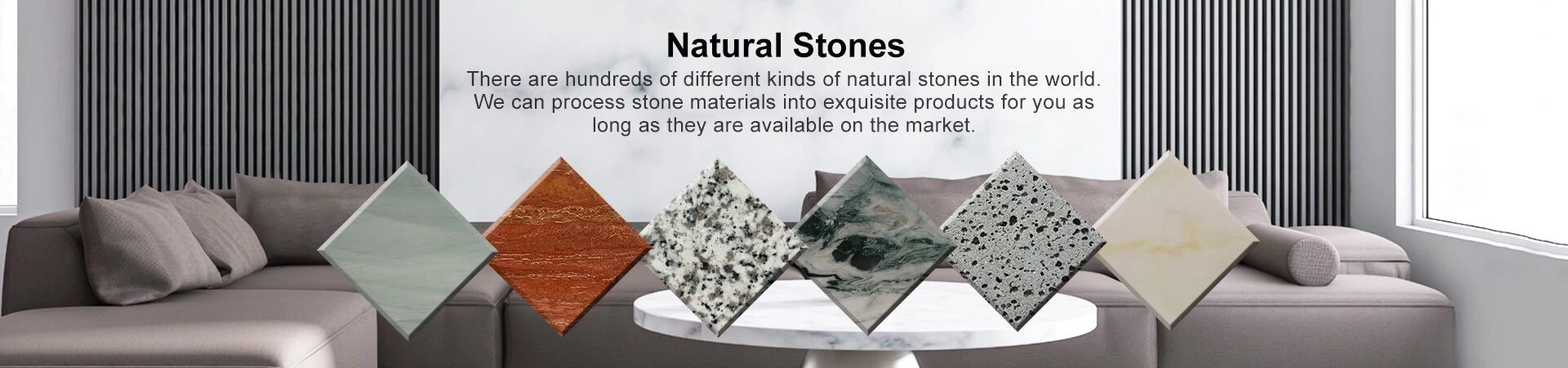
Yes, marble table tops are durable, but not in the same way as granite or quartz. Their durability is about longevity and timeless beauty, not imperviousness to damage.


Think of marble like a high-end luxury car. It's beautiful, valuable, and will last for generations if you care for it properly. But you wouldn't treat it the same way you would a rugged pickup truck.
Here's a detailed breakdown of marble's durability:
The Strengths (Why it's considered durable)
1. Structural Integrity & Longevity: Marble is a natural stone formed under immense heat and pressure. It is incredibly hard and strong in a structural sense. A marble tabletop will not crack or break under normal weight and use. With proper care, a marble table can literally last for centuries, as evidenced by its use in ancient sculptures and buildings.
2. Heat Resistance: Marble is highly heat resistant. You can place a hot pot or pan directly on it without risking damage like you would with laminate or wood. However, extreme and sudden temperature changes can potentially cause thermal shock and cracking, so using trivets is still a good practice.
The Weaknesses (What "less durable" means in daily life)
This is where the famous "marble is high-maintenance" reputation comes from.
1. Porosity and Staining: This is marble's biggest vulnerability. It is a porous, calcium-based stone (calcite). This means it will absorb spills easily.
- Acidic Stains: Liquids like lemon juice, vinegar, wine, coffee, and many cleaning products will etch the surface. Etching is not a stain you can clean; it's a chemical reaction that physically dulls the finish, leaving a light, matte spot or ring. The polished shine is literally eaten away.
- Oily Stains: Cooking oils, grease, or cosmetics can seep in and leave dark, permanent stains if not cleaned immediately.
2. Scratching: While hard, marble is softer than granite or quartz. It ranks about a 3-4 on the Mohs hardness scale. This means it can be scratched by knives, abrasive cleaning pads, or even grit from a ceramic plate being dragged across it.
3. Chipping: The edges of a marble table are susceptible to chipping if struck hard with a heavy object.
How to Maximize Durability: Sealing and Care
The key to a durable marble tabletop is proactive and proper maintenance.
1. Sealing is NON-NEGOTIABLE:
- A high-quality penetrating sealer fills the pores and acts as a protective barrier against stains.
- It does not make the marble bulletproof. It gives you time to wipe up spills before they absorb.
- Sealing needs to be repeated periodically (typically once a year, but it depends on use). You can test if resealing is needed by sprinkling a few drops of water on the surface. If it darkens the stone within 10-15 minutes, it's time to reseal.
2. Daily Care Routine:
- Wipe Spills Immediately: Don't let any liquid, especially acidic ones, sit on the surface.
- Use Coasters and Placemats: Always under glasses, cups, and plates.
- Use Trivets or Hot Pads: Even though it's heat resistant, it's a good habit.
- Clean with the Right Products: Only use a soft cloth and a pH-neutral cleaner designed for stone. NEVER use vinegar, Windex, or generic all-purpose cleaners.
- Use Cutting Boards: Never cut directly on the marble.
Is Marble Right For You?
- Choose Marble if: You value unparalleled, timeless beauty and patina. You are a meticulous person who doesn't mind a careful maintenance routine. You accept that the stone will develop a "lived-in" character over time, which many people find charming. It's perfect for formal dining rooms or low-traffic areas.
- Avoid Marble if: You want a completely worry-free, "indestructible" surface for a busy kitchen or a house with young children. You are bothered by the thought of etches, stains, or any signs of wear. You want the surface to look brand new forever.
Comparison to Other Stones
- vs. Granite: Granite is much harder, more scratch-resistant, and less porous. It's generally more durable for high-traffic kitchens.
- vs. Quartz: Quartz (engineered stone) is non-porous, so it never needs sealing and is highly stain-resistant. It's the most "low-maintenance" option but can be damaged by excessive heat.
Final Verdict:
Marble is durable in its longevity but vulnerable in its daily wear. Its durability comes from its ability to last for generations, not from its resistance to scratches and stains. If you are willing to care for it properly, a marble tabletop is a beautiful and worthy investment that will serve you for a lifetime. If you prefer zero maintenance, consider a different material.


