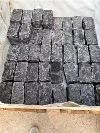
Travertine pavers can be slippery under certain conditions, but they are generally considered less slippery than many smooth, polished stone or tile alternatives due to their inherent natural texture. However, several factors significantly influence their slip resistance:
1. Surface Finish (Crucial Factor):
- Tumbled or Brushed/Honed: This is the most slip-resistant finish. The process accentuates the natural pits, voids, and texture of the stone, creating micro-roughness that provides excellent grip, especially when wet. Highly recommended for pool decks, wet areas, and exterior walkways.
- Filled & Honed: Filling the pits creates a smoother surface. While still offering decent traction due to the honed (matte) finish, it's less slip-resistant than tumbled. Slip resistance depends heavily on the specific honing level and the aggregate used in the filler.
- Polished: This creates a very smooth, glossy surface. Polished travertine is significantly more slippery, especially when wet or with soap/detergent residue, and is not recommended for exterior flooring or wet areas like pool decks. Primarily suitable for interior dry areas.

2. Presence of Water (Major Hazard):
Travertine, like any stone, becomes more slippery when wet.
Its porosity allows it to absorb some water, which can slightly improve initial wet traction compared to non-porous, polished stones, but the surface water film remains the primary hazard.
Pool decks (constant splashing), areas near downspouts, or frequently washed patios are high-risk zones.
3. Algae, Moss, or Mold Growth:
Travertine's porosity makes it susceptible to organic growth in damp, shaded areas. This growth creates an extremely slippery biofilm on the surface. Proper drainage, sunlight exposure, and regular cleaning are essential to prevent this.
4. Sealers:
Standard Sealers: Primarily protect against staining but generally do not improve slip resistance; some glossier sealers can even increase slipperiness when wet.
Anti-Slip Sealers: Specialized sealers containing fine aggregates (like aluminum oxide, silica sand, or polymer grit) can be applied to significantly enhance wet traction. These are highly recommended for critical areas like pool decks or sloping paths. Requires professional application and periodic reapplication.
5. Installation & Drainage:
Slope: Adequate slope (minimum 1/4" per foot) is vital to ensure water drains away quickly, minimizing standing water and drying time.
Grout Joints: Wider grout joints provide additional channels for water drainage and can add tactile grip points.
Drainage System: Proper subsurface drainage prevents water from pooling beneath or around the pavers.
6. Wear and Tear:
Over time, the honed surface can become smoother/polished through foot traffic, slightly reducing initial slip resistance. Harsh cleaning methods can also damage the surface texture.
Professional Recommendations for Slip Resistance:
1. Choose the Right Finish: Always select Tumbled or a heavily Textured/Honed finish for exterior applications, especially pool decks, walkways, and patios. Avoid Polished finishes.
2. Use Anti-Slip Sealers: Apply a high-quality, penetrating anti-slip sealer containing traction-enhancing aggregates, particularly in high-risk wet areas. Reapply as per manufacturer recommendations (typically every 1-3 years).
3. Ensure Proper Installation:
Mandate adequate slope for drainage.
Consider slightly wider grout joints.
Verify a well-designed subsurface drainage system.
4. Implement Regular Maintenance:
Clean regularly with appropriate stone cleaners to remove dirt, algae, moss, and soap scum (avoid oily or waxy cleaners).
Pressure wash carefully (use low-moderate pressure and fan tip; avoid damaging the surface).
Promptly address any organic growth.
5. Consider Testing Standards: Look for products tested for Dynamic Coefficient of Friction (DCOF) according to ASTM C1028 (older) or ANSI A326.3 (current standard). A DCOF value of ≥ 0.42 is often cited as suitable for level interior wet areas; exterior and sloped areas require higher values. Reputable suppliers should be able to provide this data for specific finishes.
Conclusion:
Travertine pavers are not inherently highly slippery when compared to polished granite or ceramic tiles, thanks to their natural texture. However, their slip resistance is highly dependent on the surface finish, environmental conditions (especially water and algae), and maintenance. By choosing a textured finish (Tumbled/Brushed), applying an anti-slip sealer, ensuring proper installation with drainage, and maintaining the surface diligently, travertine pavers can be a safe and beautiful choice for patios, pool decks, and walkways. Neglecting these factors, especially using a polished finish or allowing algae buildup, will make them slippery and hazardous.