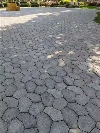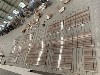
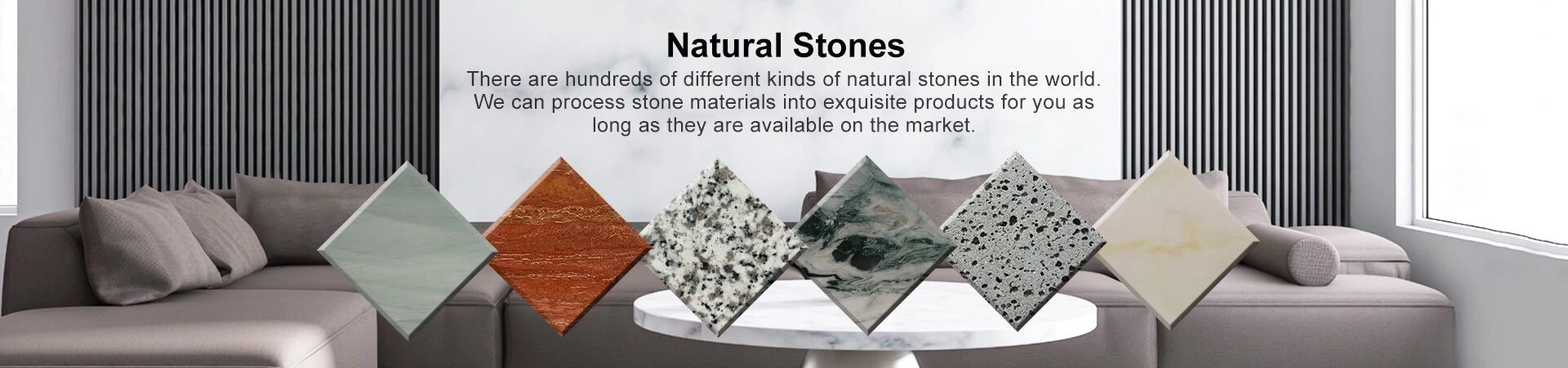
For most exterior applications in Saudi Arabia (façades, paving, landscaping), Beige Limestone is generally the more durable and reliable choice. Its higher density and lower porosity make it better at resisting sand abrasion, heat, and water damage. However, for specific interior applications or in more protected exterior settings where its thermal properties are prized, Sandstone can be an excellent choice.

Detailed Comparison
Let's break down the performance of each stone against the specific challenges of the Saudi climate.
1. Composition & Durability
Beige Limestone:
- Composition: A sedimentary rock composed primarily of calcite (calcium carbonate).
- Hardness: Softer than granite but generally harder and denser than sandstone. It is less friable (less likely to crumble).
- Durability: High. Its tight crystalline structure gives it good mechanical strength, making it resistant to physical impact and pressure.
Sandstone:
- Composition: A sedimentary rock composed of sand-sized mineral particles (mostly quartz) cemented together.
- Hardness: Softer and more porous than limestone. Its durability heavily depends on the type of cement (e.g., silica cement is very strong, clay cement is weaker).
- Durability: Variable. Can be prone to delamination (flaking) and surface erosion over time, especially in lower-quality varieties.
Winner for Durability: Beige Limestone
2. Heat & UV Resistance
Both stones excel in this area, as they are natural materials formed under the sun.
- Both: Have high resistance to UV radiation-their color will not fade from sunlight.
- Both: Have excellent inherent thermal stability and will not degrade from high temperatures alone.
Winner for Heat/UV: Tie
3. Sandstorm & Abrasion Resistance
This is a critical factor for exterior cladding and paving.
- Beige Limestone: Its denser, harder surface is highly resistant to the abrasive action of wind-blown sand. It will show wear and tear much more slowly than sandstone.
- Sandstone: Its softer, more granular surface is more vulnerable to sandblasting. Over time, a sandstorm can erode the surface, dulling the finish and potentially leading to a loss of detail.
Winner for Abrasion Resistance: Beige Limestone
4. Water Resistance & Humidity
While Saudi Arabia is arid, occasional heavy rains (especially in regions like Jeddah) and high humidity in coastal areas pose a threat. Porosity is key here.
Beige Limestone: Has low to moderate porosity. It absorbs less water, which is crucial because absorbed water can lead to efflorescence (white, salty deposits), freeze-thaw damage (rare in most of KSA), and staining.
Sandstone: Is generally more porous than limestone. It can absorb more water, making it more susceptible to staining from spills and water-borne dirt. In a rare heavy downpour, saturated sandstone can be weakened.
Winner for Water Resistance: Beige Limestone
5. Thermal Properties (Heat Insulation)
This is a key area where Sandstone often has an advantage.
- Sandstone: Typically has a higher porosity and lower density, which gives it better natural thermal insulation properties. It heats up more slowly in the sun and can contribute to slightly lower heat transfer into a building.
- Beige Limestone: Being denser, it can absorb and retain heat more effectively, potentially feeling hotter to the touch and transferring more heat indoors if not properly designed with ventilation or insulation.
Winner for Thermal Insulation: Sandstone
6. Maintenance & Long-Term Aesthetics
- Beige Limestone: Requires less maintenance long-term. Its durability means it holds its polished, honed, or sawn finish for longer. It is easier to clean and less likely to trap dirt.
- Sandstone: May require more frequent cleaning and is more susceptible to surface pitting and erosion, which can trap dirt and alter its appearance over time.
Winner for Ease of Maintenance: Beige Limestone
Head-to-Head Summary Table
| Feature | Beige Limestone | Sandstone | Winner for Saudi Climate |
|---|---|---|---|
| Durability & Hardness | High, Dense | Variable, Softer | Beige Limestone |
| Heat & UV Resistance | Excellent | Excellent | Tie |
| Sandstorm Resistance | Excellent | Fair to Good | Beige Limestone |
| Water Resistance | Good (Low Porosity) | Moderate (Higher Porosity) | Beige Limestone |
| Thermal Insulation | Fair (Denser) | Good (Less dense) | Sandstone |
| Maintenance | Low | Moderate | Beige Limestone |
| Aesthetic Appeal | Elegant, uniform, modern | Rustic, textured, traditional | Subjective |
Final Recommendation & Verdict
For Exterior Use (Façades, Paving, Pool Coping, Landscaping):
Choose Beige Limestone. Its superior resistance to abrasion from sandstorms and better performance in the face of occasional heavy rain make it a more robust and long-lasting investment. You will face fewer issues with erosion, staining, and long-term maintenance.
For Interior Use (Flooring, Wall Cladding):
Both can be excellent, but the choice depends on the traffic and desired aesthetic.
- Use Beige Limestone in high-traffic areas (lobbies, corridors) for its durability.
- Use Sandstone in feature walls, lower-traffic living areas, or where its superior thermal insulation and rustic charm are desired.
For a Compromise (Thermal Performance on a Façade):
If you love the look of sandstone but need exterior durability, consider using a high-quality, densely cemented sandstone and ensure it is treated with a high-quality penetrating sealer to reduce water absorption and surface erosion. However, limestone remains the more reliable choice.
In conclusion, while both stones are used across the Kingdom, Beige Limestone's physical properties make it the technically superior and safer choice for withstanding the specific rigors of the Saudi Arabian climate, especially for exterior applications.