
Buckingham Palace, as one of the iconic buildings in the UK, undoubtedly has high artistic value and historical significance in the selection and use of stone materials. The following is a detailed introduction to the stone of Buckingham Palace:

Types of stone materials
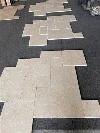
Bianco Lasa Vena: Bianco Lasa Vena is one of the most precious golden marbles, originating from the Lasa White Mine in the Italian Alps. It is famous for its golden parallel lines, with a pure white background and strong texture depth. The parallel distribution of golden lines appears noble and elegant against the white background. Las Bains is one of the stones used by Buckingham Palace in London, reflecting the luxury and elegance of the palace.
Stone application
Exterior walls and interior decoration: Although the main building structure of Buckingham Palace is composed of reinforced concrete and plaster, stone still plays an important role in the decoration of the palace. Precious stones such as Las Platinum are widely used in the walls, floors, and some interior decorations of palaces, such as kitchen countertops, cabinet panels, door panels, tabletops, etc. The use of these stones not only enhances the luxury of the palace, but also strengthens its artistic atmosphere.
Sculpture and Relief: In addition to being used as building materials, stone is also used to create sculptures and relief works inside and outside palaces. These works showcase the historical culture and national spirit of the British royal family through exquisite carving techniques, becoming an indispensable artistic element in the palace.
The artistic value of stone
The carrier of historical culture: The stone of Buckingham Palace is not only a building material, but also a carrier of British historical culture. They have witnessed the historical changes of the British royal family and the development of the country, becoming symbols of British national pride and cultural identity.
Exquisite craftsmanship and aesthetics: Stones such as Las Platinum demonstrate extremely high aesthetic value with their unique textures and colors, as well as exquisite carving techniques. The use of these stones not only enhances the visual effect of the palace, but also strengthens its artistic appeal.

In summary, the stone selection, application, and artistic value of Buckingham Palace reflect the British royal family's pursuit of architectural aesthetics and respect for historical culture. These stones not only add endless charm to the palace, but also become important symbols of British history and culture.