

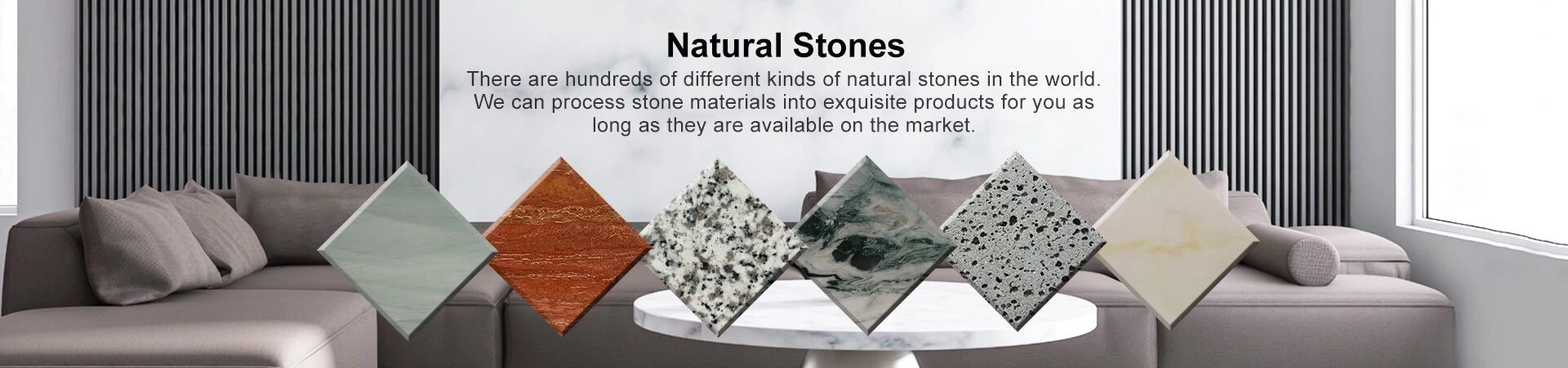
Here's a professional and structured explanation of marble tiles for shower use, including their definition, manufacturing process, and suitability for bathrooms:
1. What Are Marble Tiles?
Marble tiles are thin slabs of natural marble stone cut into standardized or custom dimensions for flooring, walls, and other surfaces. They retain marble's signature characteristics:
- Natural veining and color variations for a luxurious aesthetic.
- Polished, honed, or textured finishes to match design styles.
- Durability, with a Mohs hardness rating of 3–5 (moderate for interior use).


2. How Are Marble Tiles Processed?
Marble tiles undergo several stages of refinement:
1. Quarrying: Raw marble blocks are extracted and cut into slabs.
2. Cutting: Glued and Polished Slabs are sliced into tiles using infrared ray cutting machines.
3. Surface Finishing:
- Polished: High-gloss finish (enhances color/veining but may be slippery).
- Honed: Matte/satin finish (improves slip resistance).
- Tumbled/Brushed: Aged, textured surface (ideal for rustic designs).
4. Sealing: A penetrating sealer is often applied to reduce porosity.
3. Why Can Marble Tiles Be Used in Showers?
Marble tiles are suitable for showers if properly selected, installed, and maintained:
#Advantages:
- Aesthetic Appeal: Creates a spa-like, high-end atmosphere unmatched by synthetic materials.
- Heat Resistance: Tolerates warm water and steam without warping.
- Customization: Available in diverse sizes, thicknesses (e.g., 15-18-20mm), and finishes.

Key Requirements for Shower Use:
- Low Porosity: Opt for dense marble types (e.g., Calacatta, Statuario) with water absorption <0.5% (tested per ASTM C97).
- Proper Sealing: Apply a high-quality impregnating sealer (e.g., epoxy-based) to block water penetration. Re-seal every 6–12 months.
- Slip Resistance: Use honed, flamed, or textured finishes (COF ≥0.6 per ANSI A137.1) for wet areas.
- Professional Installation: Ensure waterproof underlayment, slope for drainage, and flexible grout to prevent cracking.
Potential Challenges:
- Staining: Acidic products (e.g., shampoos, citrus cleaners) can etch polished surfaces.
- Maintenance: Regular cleaning with pH-neutral products is essential.
Recommendations:
Best for:
Shower walls, niche accents, or bench tops (avoid high-traffic shower floors unless textured).
Avoid:
Soft, highly porous marbles in prolonged wet environments..
Alternative:
For high-moisture zones, consider porcelain tiles mimicking marble aesthetics with higher durability..


