Of course!
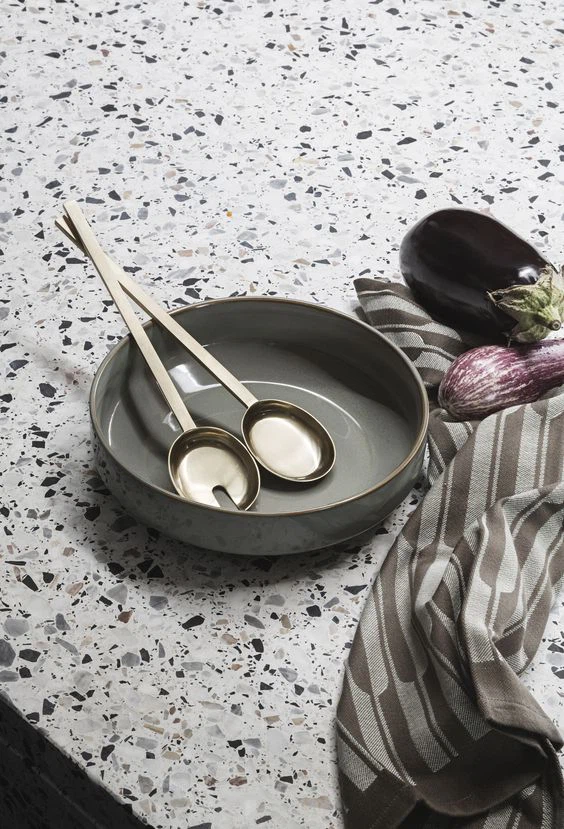
Yes, terrazzo can absolutely be used for countertops, and it's becoming an increasingly popular choice for both kitchens and bathrooms.
It offers a unique, artistic look that is hard to replicate with other materials. However, like any material, it comes with its own set of advantages and considerations.
Here's a detailed breakdown of using terrazzo for countertops:
Advantages of Terrazzo Countertops
- Durability and Longevity: When properly sealed, terrazzo is extremely hard and durable. It's resistant to scratches, stains, and heat. A well-maintained terrazzo countertop can easily last a lifetime, often outliving the home itself.
- Unique Aesthetic: Terrazzo is highly customizable. You can choose the type of aggregate (chips of marble, quartz, glass, mother-of-pearl, etc.), the color of the cement or epoxy binder, and the size of the chips. This allows for a truly one-of-a-kind design that can be as subtle or as bold as you like.
- Seamless Appearance: Unlike stone slabs that are limited by quarry size, terrazzo can be poured in place or fabricated into large slabs with minimal visible seams.
- Hygienic and Easy to Clean: The non-porous surface (once sealed) doesn't harbor bacteria or viruses. Spills wipe up easily with mild soap and water.
- Eco-Friendly Options: Terrazzo often contains recycled materials (like glass or mirror chips). Its incredible longevity also means it won't need to be replaced and thrown into a landfill like other countertop materials might.
Disadvantages and Considerations
- Cost: This is the biggest factor. High-quality, custom terrazzo countertops are a premium product and can be as expensive, if not more so, than high-end marble or granite. The cost depends on the types of aggregates used (e.g., recycled glass is more expensive than marble chips) and the complexity of the installation.
- Weight: Terrazzo is very heavy. Your cabinetry must be strong enough to support the weight, and professional installation is non-negotiable.
- Potential for Cracking: While durable, terrazzo is a rigid material. If the substrate underneath isn't perfectly stable or if there is significant impact (e.g., dropping a very heavy cast-iron pot from a height), it can crack. Modern reinforcement with mesh helps mitigate this.
- Porosity (for Cement-Based Terrazzo):
- Traditional cement terrazzo is porous and must be sealed meticulously upon installation and re-sealed periodically (approximately every 1-2 years) to prevent staining from oils, wine, and acids.
- Modern epoxy resin terrazzo is inherently non-porous and requires much less maintenance. Most terrazzo used for countertops today is epoxy-based for this reason. It's crucial to confirm which type you are getting.
- Surface Feel: It is a hard, cold surface, similar to granite or concrete. Some people love this, but it's not for everyone.
Key Questions to Ask Before Choosing Terrazzo
- Epoxy or Cement? For countertops, epoxy resin is highly recommended due to its superior stain resistance and lower maintenance.
- What's the Budget? Get quotes from us. Be prepared for a significant investment.
- Who is the Installer? This is not a DIY project. You must work with a fabricator who has specific experience with terrazzo countertops. Their skill is crucial in preventing future cracks and achieving a perfectly smooth, level surface.
- How Will it Be Finished? Terrazzo is ground and polished to a smooth finish. You can choose a level of sheen from matte to a high-gloss polish.
Maintenance Tips
- Daily Cleaning: Use a soft cloth or sponge with a pH-neutral cleaner or mild dish soap and warm water.
- Avoid: Harsh abrasive cleaners, scouring pads, and acidic cleaners (like vinegar or lemon juice), which can dull the sealer and finish over time.
- Protect: Use cutting boards and trivets. While heat-resistant, sudden extreme temperature changes can theoretically cause damage.
- Resealing: If you have cement terrazzo, follow your fabricator's instructions for resealing. Epoxy terrazzo typically does not require this.
Conclusion
Terrazzo makes a stunning, durable, and unique countertop that is an excellent choice for those looking to make a design statement and are willing to invest in a premium, long-lasting material.
Its success hinges on two things: choosing the right type (epoxy) and hiring an experienced, reputable installer. If you get those two things right, you'll have a beautiful and functional surface for decades to come.