


Cost Optimization in Stone Projects
Strategic Guide for Marble, Granite, Basalt Applications
1. Material Selection Strategy
Optimize Stone Grade (Not Always Premium)
- Use premium-grade material only in visible areas (lobbies, staircases, feature walls)
- Apply commercial-grade material in back-of-house or low-visibility zones
- Maintain visual consistency through color-controlled batch selection
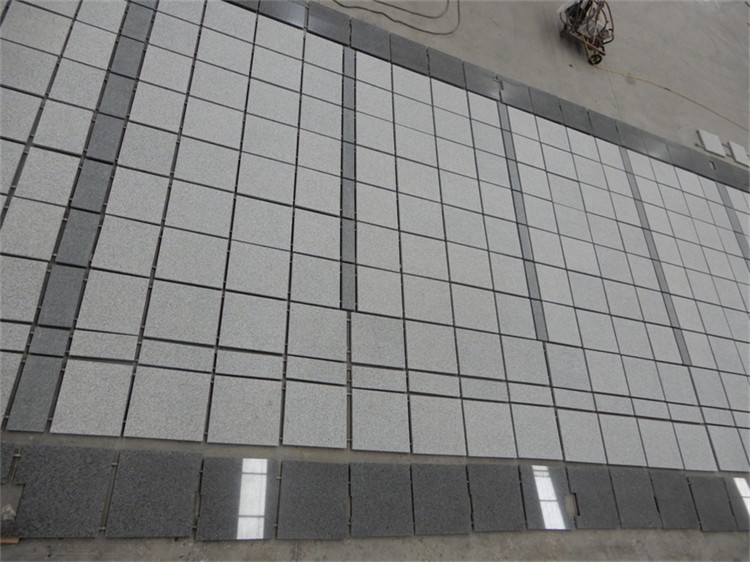
Choose Cost-Efficient Stone Types
Compare alternatives with similar aesthetics:
- Green marble → alternative green-toned stones with stable supply
- White marble → multiple price tiers with similar visual effect
- Avoid rare blocks with high wastage ratios

2. Size & Specification Optimization
Standardization Reduces Waste
Use standard tile sizes:
- 300×300mm
- 600×600mm
- 600×1200mm
Minimize custom cutting to reduce:
- Processing time
- Material waste
Thickness Optimization
Wall cladding: 10–15mm
Flooring: 15–20mm
Stair treads: 18–30mm
Avoid over-specification, which increases both material and transport cost.
3. Yield & Block Utilization
Improve Slab Yield Ratio
Select blocks with:
- Fewer cracks
- Consistent grain structure
- Higher yield = lower cost per square meter
Smart Cutting Layout
- Plan cut-to-size drawings in advance
- Combine multiple sizes from one slab to maximize usage
4. Surface Finish Optimization
Cost Comparison of Finishes
- Polished: standard, cost-efficient
- Honed: slightly higher processing cost
- Flamed / bush-hammered: higher energy and processing cost
Recommendation
- Use premium finishes only where required (e.g., anti-slip outdoor areas)
- Avoid unnecessary surface treatments in low-impact zones
5. Logistics & Packaging Control
Container Optimization
Maximize container loading efficiency
Use mixed sizes intelligently to reduce empty space
Packaging Strategy
- Standard export packing is sufficient for most projects
- Avoid over-packaging unless required for fragile materials
6. Installation Cost Reduction
Pre-Fabrication Advantages
Cut-to-size production reduces:
- On-site labor
- Installation time
- Improves installation accuracy and reduces rework
Modular Design
Use repeatable layouts for:
- Flooring grids
- Staircase dimensions
- Simplifies installation and reduces labor cost
7. Risk Control & Quality Management
Dry Lay Inspection
Pre-arrange slabs before shipment
Prevents:
- Color mismatch
- Reinstallation costs
Tolerance Control
Accurate fabrication reduces:
- Site adjustments
- Material breakage
8. Procurement Strategy
Volume Planning
Larger quantities allow:
- Better block selection
- More consistent color control
- Lower unit cost
Long-Term Cooperation
Stable partnerships ensure:
- Priority production scheduling
- Better cost control over time
9. Maintenance Cost Optimization
Sealing & Protection
Proper sealing reduces:
- Staining
- Replacement frequency
Material Selection for Lifecycle Cost
Choose stones with:
- Low water absorption
- High durability
- Lower maintenance = better long-term ROI
Key Takeaways
- Right material in the right place is the core principle
- Standardization and pre-planning significantly reduce waste
- Balance aesthetic requirements vs. cost efficiency
Control cost across the full lifecycle:
Material → fabrication → logistics → installation → maintenance
High-Impact Cost Optimization Checklist
✔ Standard tile sizes applied
✔ Thickness aligned with application
✔ Slab yield optimized
✔ Dry layout approved before production
✔ Container fully utilized
✔ Pre-fabrication adopted
✔ Sealing plan included


