
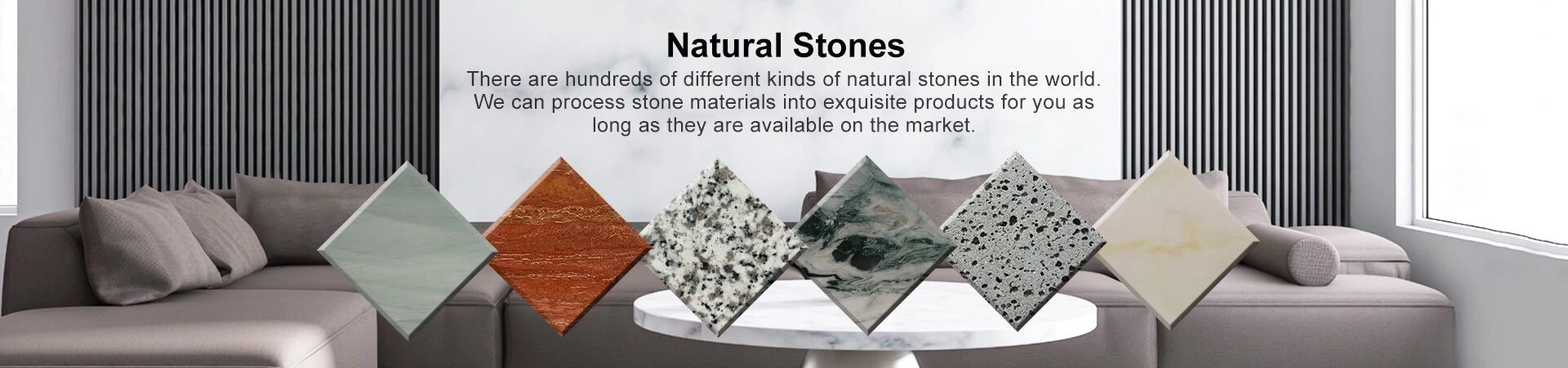
Limestone and travertine are two types of natural stone that are often used as building materials or decorative features in residential and commercial spaces. While there are similarities between these two stones, there are also some notable differences to consider.


Both limestone and travertine are popular choices for interior and exterior design projects because of their natural beauty and durability. However, there are some differences that may make one stone more suitable than the other depending on the project. For example, limestone tends to be harder and less porous than travertine, making it more resistant to scratching and staining. On the other hand, travertine's porous surface can make it more susceptible to water damage and discoloration if not properly treated.
Ultimately, the choice between limestone and travertine comes down to personal preference and the specific needs of the project. Both stones offer unique and attractive features that make them a popular choice for a wide range of applications.