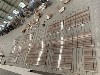
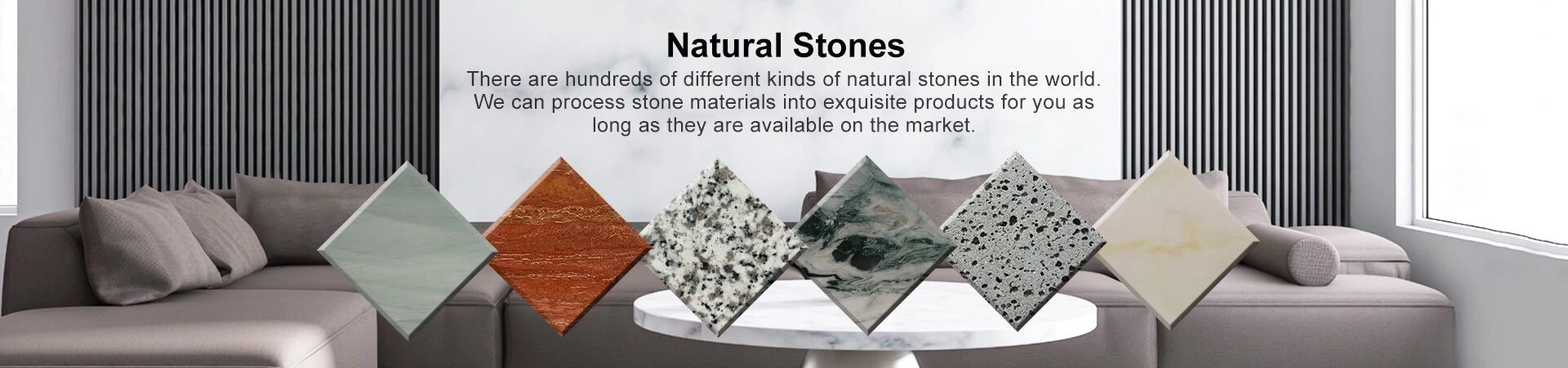
Yes, marble tiles do have significant value, both practical and aesthetic, which influences their price and demand in construction and design.
1. Intrinsic Value of Marble
Natural Material: Marble is a metamorphic rock formed from limestone, prized for its unique veining and luxurious appearance. Each slab is one-of-a-kind.
Durability: When properly sealed, marble is long-lasting (though softer than granite), making it suitable for floors, walls, and countertops.

2. Factors Affecting Marble Tile Value
- Type of Marble:
Premium varieties (e.g., Carrara, Calacatta, Statuario) are highly valued for their whiteness and dramatic veining.
Exotic marbles (e.g., Emperador, Travertine) command higher prices due to rarity.
- Quality Grades:
- Commercial-grade: Lower cost, more imperfections.
- Premium-grade: Uniform color/veining, used in high-end projects.
Finish: Polished (glossy), honed (matte), or textured finishes affect pricing.

3. Market Value & Applications
- Luxury Appeal: Marble tiles are synonymous with opulence (e.g., in hotels, mansions, historic buildings).
- Real Estate Impact: Homes with marble features often have higher resale value.
- Global Demand: Italy, Turkey, and Greece are top producers, with Italian marble (e.g., Carrara) being the most prestigious.
4. Price Range
- Standard marble tiles: $5–$15/sq.ft (e.g., basic Carrara).
- High-end marble: $50–$200+/sq.ft (e.g., Calacatta Gold).

5. Drawbacks Affecting Value
Maintenance: Requires sealing to resist stains/etching (acid-sensitive).
Alternatives: Cheaper options like porcelain (fake marble prints) compete but lack natural depth.
Conclusion
Marble tiles hold value due to their beauty, rarity, and prestige, but their worth depends on type, quality, and maintenance. For investment purposes (e.g., home renovation), they elevate aesthetics but demand care.
Would you like insights on specific marble types or cost comparisons?