
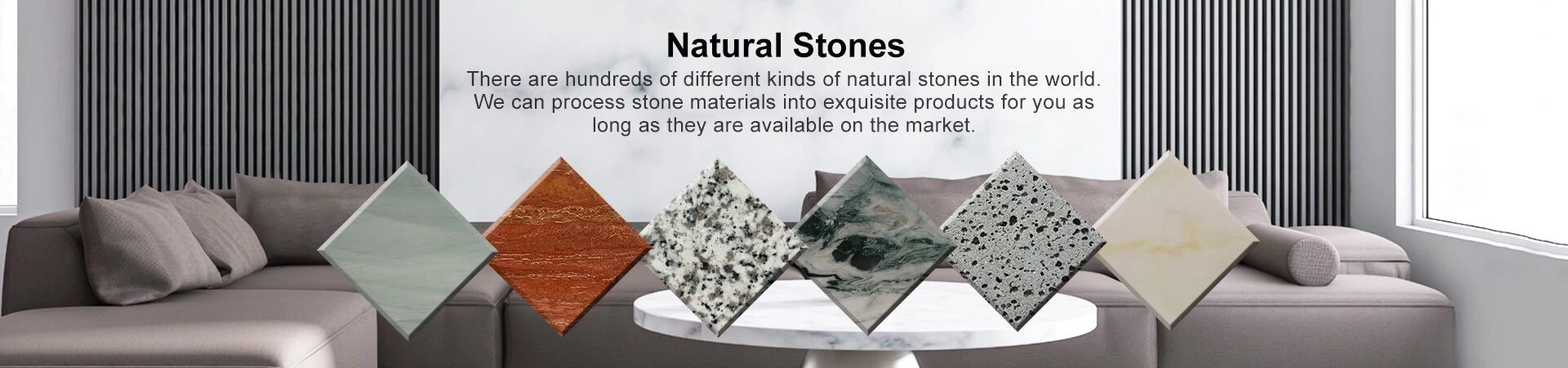
Yes, travertine and marble can go together beautifully, but the key is intentional pairing and careful consideration of their shared and contrasting characteristics. When done correctly, this combination creates a layered, sophisticated, and timeless look that is rich in natural texture. Here's a guide on how to successfully pair them:

Why They Can Work Well Together: The Shared Foundation
- Common Lineage: Both are natural limestone-based stones. This gives them a fundamental geological kinship in terms of composition and feel.
- Timeless Appeal: Both materials carry a classic, luxurious pedigree seen in historical architecture (think Roman baths and Renaissance palaces).
- Organic Aesthetics: Each piece is unique, with natural variations, veining (in marble), and pores/holes (in travertine). This creates a depth that manufactured tiles cannot replicate.
- Finish Synergy: They both take well to similar finishes-honed (matte), polished, or brushed-allowing you to create cohesive textures.

The Key Considerations for a Harmonious Pairing
The challenge lies in balancing their differences. Marble tends to be more dramatic and formal, while travertine is more earthy and rustic.
1. Color Harmony is Crucial:
Best Approach: Choose stones within the same color family. Pair a cream/beige travertine (like Noce or Classic) with a warm-toned marble (like Crema Marfil or Botticino).
For Contrast: Pair a light, neutral travertine (like Ivory) with a dramatic dark marble (like Nero Marquina) for a bold, graphic statement. Use this sparingly as an accent.
Avoid: Clashing undertones (e.g., a travertine with strong yellow/orange undertones with a cool gray/blue Carrara marble) can look unintentional.
2. Play with Texture and Pattern:
Use Travertine for Texture: Its naturally porous, pitted surface adds warmth and tactile interest. Use it on floors (honed or filled for comfort) or on feature walls.
Use Marble for Drama: Its sweeping, bold veining creates visual focus. Use it on a vanity countertop, a shower niche, or as a border/insert within a travertine floor.
The "Feature & Field" Rule: Let one material be the dominant "field" (e.g., travertine floor/walls) and the other be the elegant "feature" (e.g., marble shower bench, vanity top, or a decorative mosaic border).
3. Define the Style You Want:
Old World European: A perfect match. Use tumbled or chiseled-edge travertine on floors and walls with honed marble accents on countertops and borders.
Modern Organic: Use large-format, honed travertine tiles on floors and select a dramatic, veined marble slab for a floating vanity. Keep lines clean.
Spa-Like Serenity: Combine light, honed travertine throughout with simple white marble (like Thassos) for trim and fixtures for a serene, textural feel.
Successful Application Ideas
- Bathroom: Travertine floor and shower walls with a marble vanity countertop and shower curb/threshold.
- Kitchen: A travertine backsplash or floor with a marble island countertop.
- Entryway: A travertine floor with a marble inlaid medallion or border.
- Fireplace: A travertine surround with a marble hearth or mantel.
Important Practical Note: Maintenance
Both stones are porous and require sealing. Their maintenance needs are similar, which is an advantage when using them together. Ensure both are properly and regularly sealed with a high-quality impregnating sealer to prevent stains, especially in wet areas.
Final Verdict:
Do travertine and marble go together? Absolutely-but with purpose. They are not a random match but a thoughtful combination of kindred spirits with different personalities. By focusing on unified color tones and using each material to its textural strength (travertine for warmth, marble for elegance), you can create a space that is both cohesive and captivatingly rich in natural beauty.