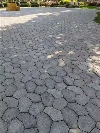

Yes, sealing outdoor granite is highly recommended as a critical protective measure.
Here is a breakdown of why and how to do it effectively:
Why Sealing is Essential Outdoors:
- Prevents Water Infiltration & Freeze-Thaw Damage: Water absorbed into the stone's pores can freeze in cold climates, expand, and cause the granite to crack or spall (flake). A sealer minimizes this absorption.
- Resists Stains: Outdoor granite is exposed to oil (from grills), organic stains (bird droppings, leaves, pollen), and spills. A sealer creates a protective barrier against these contaminants.
- Reduces Weathering: It helps protect the stone's surface from mineral leaching and slows down the natural erosion process caused by rain and UV exposure.
- Eases Maintenance: A properly sealed surface is much easier to clean, as dirt and grime sit on top rather than penetrating deep into the stone.

Key Considerations:
- Porosity: While granite is very dense, it is not impervious. Lighter colors and certain types are more porous than others.
- Finish: A flamed or textured finish has a more open surface and is more vulnerable than a polished finish, making sealing even more important.
- Best Practice: Always use a high-quality, penetrating (impregnating) sealer designed for outdoor use. These sealers are breathable (allow vapor transmission) and resistant to UV degradation.
- Maintenance: Sealing is not permanent. Plan to reapply the sealer every 1 to 3 years, depending on climate and exposure, to maintain optimal protection.
- Simple Test: To check if your granite needs sealing, sprinkle water on it. If the water darkens the stone and remains dark after 10-15 minutes, it's time to seal.
Conclusion: Sealing outdoor granite is a simple and cost-effective step that preserves its beauty, integrity, and longevity. It is a fundamental part of proper installation and care. For long-term protection, sealing is strongly advised.