

Yes, granite can absorb water, but it is relatively low in absorbency compared to other natural stones like marble or limestone. Granite is a dense and hard natural stone that is composed primarily of quartz, feldspar, and mica. This mineral composition gives granite its high degree of durability and resistance to wear and tear, including resistance to water absorption.
The absorbency of granite is typically measured in terms of its water absorption rate, which is expressed as a percentage of the stone's volume that can be absorbed by water. The lower the water absorption rate, the more resistant the granite is to water penetration and related issues like staining, discoloration, and freeze-thaw damage.
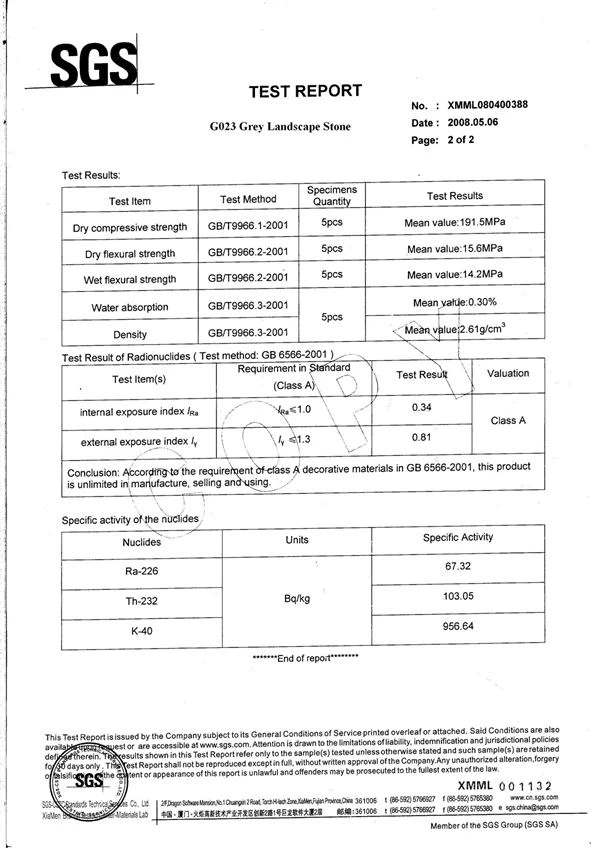
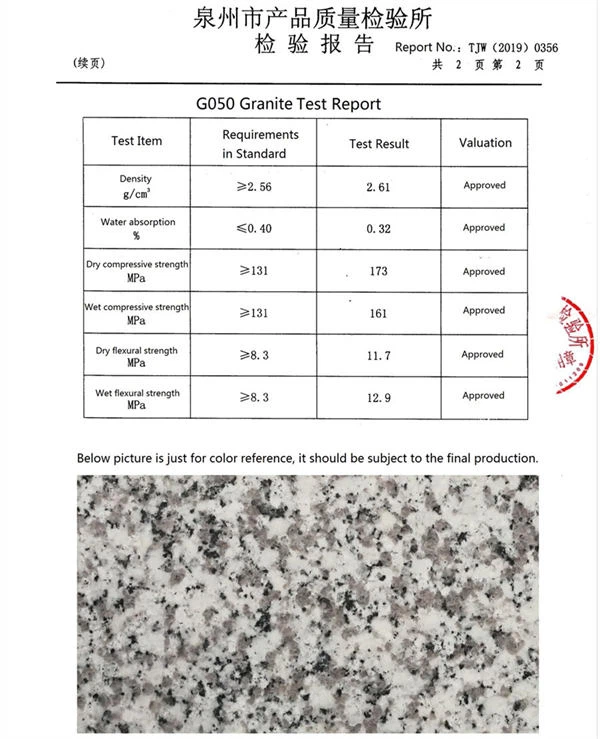
In general, granite has a relatively low water absorption rate, usually falling within the range of 0.1% to 0.5% by volume. This means that granite is not as porous as other natural stones, making it less likely to absorb water and other liquids. However, it's important to note that the water absorption rate of granite can vary depending on factors such as the stone's mineral composition, the quality of the granite, and the finishing process used to prepare the stone for use.
To minimize the risk of water penetration and related issues with granite, it's important to ensure that the granite is properly sealed before installation. Sealing granite helps to create a barrier that repels water and other liquids, reducing the risk of staining, discoloration, and freeze-thaw damage. It's also important to maintain a regular sealing schedule to ensure that the granite remains protected over time.
In summary, while granite can absorb water, it is relatively low in absorbency compared to other natural stones. Proper sealing and maintenance can help to minimize the risk of water penetration and related issues with granite countertops, flooring, and other applications.