

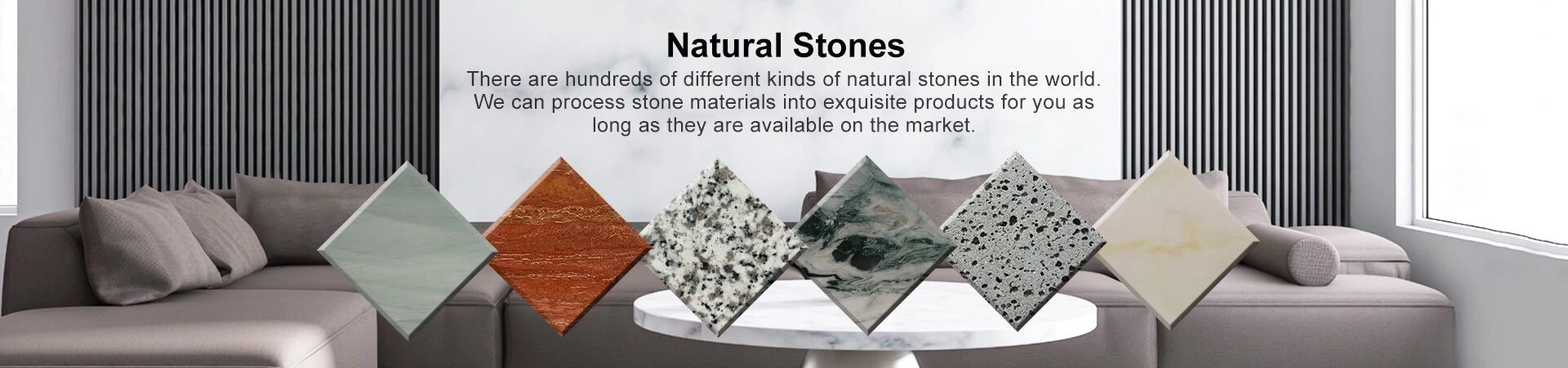
wall stone
Generally speaking, stone walls will definitely increase the value of a house.

Durability and Strength:
Stone walls are renowned for their durability and strength, providing a sense of security and stability for households. This is particularly attractive to buyers who value durability and sturdy structures.

Aesthetic appeal:
Stone walls can add a unique and rustic beauty to homes, especially in rural or mountainous areas. This can make the house more visually appealing and unique in the local market.

Resale value:
In some cases, houses with stone walls may sell higher in the resale market, especially if buyers who appreciate the traditional stone architecture and natural beauty have a demand for them.
Which Stone Wall to Choose ?
Type of Stone: Consider the type of stone based on your budget, the desired aesthetic, and the wall's function (e.g., decorative, Interior or exteriors) .
For indoor and outdoor stone walls, the material selection indeed varies due to different requirements and environmental factors. Here's a breakdown of the materials typically used for each:
Indoor Stone Walls:
1. Marble: Known for its luxurious appearance and rich history, marble is a metamorphic rock that is often used in interior design for its beauty and prestige . It's less durable than some other stones, making it more suitable for indoor use where it's less exposed to the elements.
2. Travertine: Travertine, a form of limestone, is appreciated for its unique patterns and cavities, which give it a distinctive look. It's often used in interior applications, particularly in areas with hot climates due to its heat resistance .
3. Limestone: Limestone is a versatile sedimentary rock that offers a range of colors and textures. It's commonly used for flooring, wall cladding, and fireplace surrounds in interior spaces, adding a touch of sophistication .
Outdoor Stone Walls:
1. Granite: Granite is an igneous rock known for its durability and resistance to scratching and chipping. It's suitable for high-traffic areas and is often used for both indoor and outdoor applications, including countertops, flooring, and façades .
2. Slate: Slate is a metamorphic rock that is durable, weather- and frost-resistant, making it ideal for outdoor cladding, roofing, and paving .
3. Limestone: While also used indoors, limestone can be used externally for its aesthetic diversity and flexibility. It ranges in color from pure whites to beiges and subtle browns, offering a classic and elegant look .
4. Sandstone: Sandstone is a sedimentary rock that offers a timeless look with a distinct grainy texture. It's suitable for exterior applications, including paving, garden paths, and wall cladding .
5. Basalt: Basalt is a dark, blue-gray volcanic stone that is suitable for both interior and exterior wall cladding applications. It possesses high insulating capabilities, making it a good choice for outdoor walls .
When selecting materials for stone walls, it's important to consider factors such as durability, aesthetic appeal, maintenance requirements, and the specific use of the wall, whether it's for decorative purposes, structural support, or insulation. Each type of stone has its unique characteristics that make it suitable for different applications and environments.


