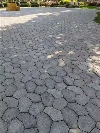

Yes, travertine absolutely needs to be sealed, both indoors and outdoors. This is not optional if you want to protect your investment and maintain its appearance. Here's why sealing is essential and what you need to know:
🛡️ Why Sealing is Non-Negotiable:
- High Porosity: Travertine is a porous natural stone (due to its formation from hot springs with gas bubbles). Unsealed, it acts like a sponge, absorbing liquids quickly.
- Stain Vulnerability: Spills (oil, wine, coffee, acidic juices, dirt, grease) will penetrate deeply, causing permanent stains.
- Etching Risk: Acids (citrus, vinegar, wine, cleaners) chemically react with the calcium carbonate, leaving dull, whitish marks ("etching") on the surface. Sealing buys time to wipe spills before damage occurs.
- Water Damage: In outdoor settings, water absorption can lead to freeze-thaw cracking in cold climates or efflorescence (salt deposits).
- Dirt & Grime Buildup: Pores trap dirt, making floors look dingy over time.
- Longevity: Proper sealing significantly extends travertine's lifespan by preventing internal deterioration.

🔍 How Sealing Works:
1. Penetrating Sealers (Impregnators):
- Most recommended for travertine.
- Soak into pores (without changing appearance) to create an invisible hydrophobic barrier.
- Allow the stone to "breathe" (vapor transmission).
- Protect against stains and reduce etching by slowing acid penetration.

2. Topical Sealers (Avoid for floors):
- Form a surface film (can create a plastic-like look or become slippery).
- Not ideal for travertine-may peel, trap moisture, or alter natural texture.
📅 Sealing Schedule:
- Initial Sealing: Must be done immediately after installation (before use!).
- Re-sealing Frequency:
- Indoors: Typically every 1–3 years (high-traffic areas like kitchens may need yearly sealing).
- Outdoors/Pool Decks: Every 1–2 years due to UV exposure, weather, and chemicals.
- Test for Effectiveness: Sprinkle water on the surface. If it darkens or absorbs within 5–10 minutes, it's time to reseal.
✅ Key Sealing Tips:
- Clean Thoroughly First: Stone must be completely clean, dry, and stain-free before sealing.
- Choose the Right Product: Use a high-quality, pH-neutral, impregnating sealer designed for natural stone (e.g., products from Miracle Sealants, Aqua Mix, Tenax).
- Fill Holes First (If Unfilled): For unfilled travertine, fill pores with a matching epoxy before sealing.
- Follow Instructions: Apply evenly (with applicator or rag), let penetrate, then wipe off excess. Avoid over-application.
- Outdoor Focus: Use a sealer rated for UV resistance and freeze-thaw cycles.
⚠️ Consequences of Not Sealing:
- Stubborn stains (oil, rust, organic matter)
- Etch marks from everyday acids (tomato sauce, lemon)
- Dull, patchy appearance from dirt buildup
- Water rings and mineral deposits
- Accelerated wear and degradation
🏁 Bottom Line:
Sealing is mandatory for travertine. It's a simple, cost-effective step that prevents irreversible damage and preserves the stone's beauty. Budget for both initial sealing and regular maintenance-your travertine will thank you for decades!