Granite Advantages Over Artificial Materials
Granite remains one of the most reliable natural stones in construction and architectural applications. When compared with artificial materials such as engineered quartz, porcelain slabs, or composite surfaces, granite offers distinct advantages in terms of durability, authenticity, and long-term performance.

1. Superior Natural Strength and Durability
Granite is an igneous rock formed under high pressure, resulting in exceptional hardness and density. It provides strong resistance to abrasion, impact, and heavy loads, making it suitable for high-traffic commercial environments, outdoor paving, and structural applications. Many artificial materials cannot match this level of mechanical strength over extended use.
2. Excellent Weather Resistance
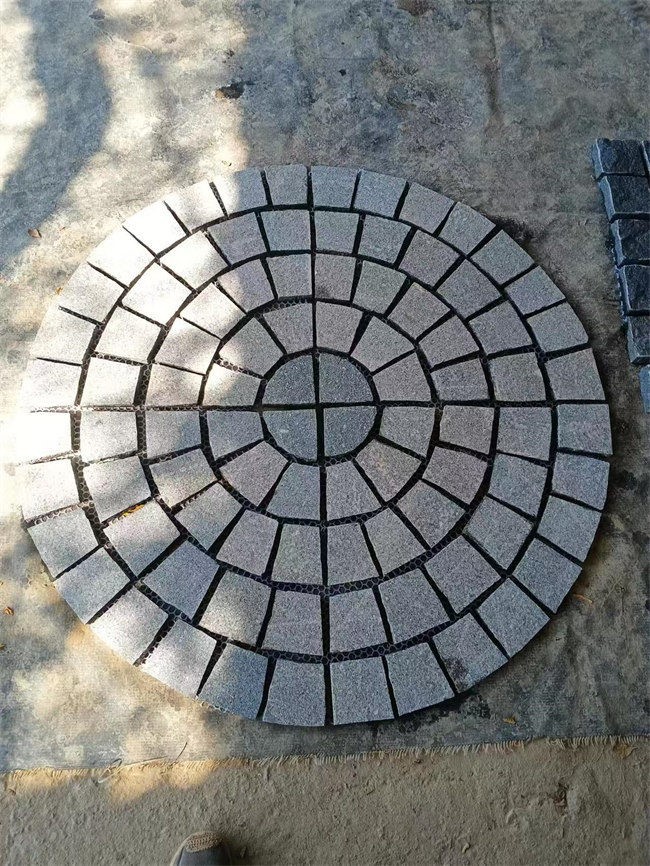
Granite performs well under extreme environmental conditions, including UV exposure, temperature fluctuations, rain, and frost. Unlike some artificial surfaces that may fade or degrade outdoors, granite maintains its structural integrity and appearance, making it ideal for exterior façades, landscaping, and infrastructure projects.

3. Authentic Natural Aesthetics
Each granite slab features unique mineral patterns and color variations that cannot be replicated exactly by artificial materials. This natural variation adds architectural value and visual depth, particularly in high-end residential and commercial projects seeking a distinctive appearance.
4. Long-Term Stability
Granite is less prone to warping, discoloration, or surface degradation over time. Artificial materials may experience changes due to resin aging or environmental exposure, whereas granite maintains consistent performance with proper installation and maintenance.
5. High Load-Bearing Capacity
Due to its density and structural composition, granite is suitable for applications requiring load-bearing performance, such as staircases, massive steps, paving blocks, and heavy-duty flooring systems.
6. Sustainable and Environmentally Responsible
As a natural material, granite requires minimal chemical processing compared to engineered surfaces. It is recyclable and contributes to sustainable construction practices, especially in long-term projects where durability reduces the need for replacement.
7. Versatility in Finishes and Applications
Granite can be processed into a variety of surface finishes-polished, honed, flamed, bush-hammered-allowing it to meet both aesthetic and functional requirements. This adaptability supports its use across interior and exterior environments.
Conclusion
Granite provides a balanced combination of strength, durability, and natural beauty that positions it as a preferred material over many artificial alternatives. For projects requiring long-term reliability, outdoor performance, and authentic design expression, granite remains a strategic and dependable choice.