

In simple terms, marble is a metamorphic rock that forms when limestone is subjected to intense heat and pressure over a long period of time. This process fundamentally changes the rock's structure and appearance.
Here is a step-by-step breakdown of the process:
1. The Starting Point: Limestone
- The parent rock of marble is almost always limestone.
- Limestone itself is a sedimentary rock formed at the bottom of warm, shallow seas. It is composed primarily of the mineral calcite (calcium carbonate, or CaCO₃), which comes from the accumulated shells, skeletons, and fragments of marine organisms.
2. The Trigger: Metamorphism
- For limestone to turn into marble, it must undergo metamorphism. This is a process where the original rock is subjected to tremendous heat and pressure, but without melting completely.
- This typically happens in the Earth's crust where tectonic plates are colliding, building mountains, or where magma (molten rock) intrudes into the Earth's crust.
- The heat comes from the Earth's internal geothermal energy and nearby magma bodies.
- The pressure comes from the immense weight of overlying rock layers and the directed forces of tectonic movement.
3. The Transformation: Recrystallization
- This is the key process. Under this intense heat and pressure, the calcite crystals in the limestone begin to recrystallize.
- The original fossil fragments, shells, and fine-grained calcite start to dissolve and reform. The tiny crystals grow larger and interlock with each other in a tight, mosaic-like pattern.
- This recrystallization is what destroys the original sedimentary features of the limestone (like fossils and layers) and gives marble its characteristic sugary or crystalline appearance.
4. Impurities and Color
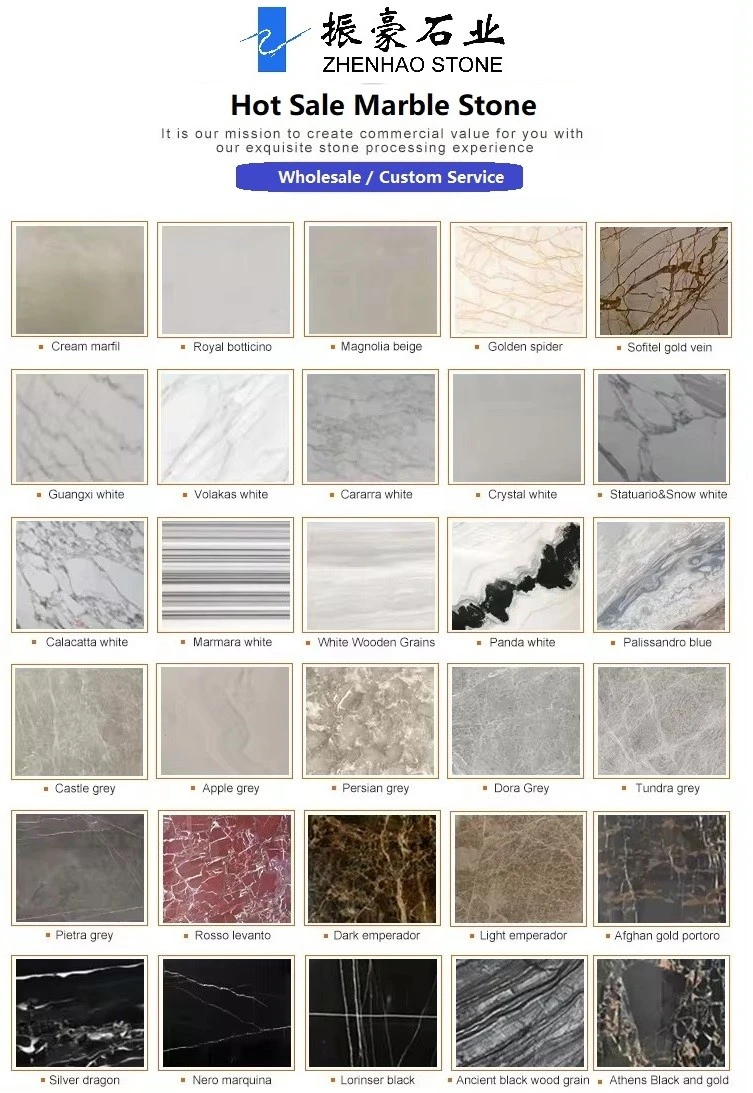
Pure calcite is white. Therefore, very pure marble is brilliant white, like the famous Statuario marble from Italy.
However, limestone often contains other minerals and impurities such as:
- Clay Minerals: Can create gray or buff colors.
- Iron Oxides: Create yellow, pink, red, and brown hues (rust-colored).
- Serpentine: Creates a green color.
- Graphite or Bitumen: Creates shades of gray and black.
During metamorphism, these impurities are heated and stretched, often forming the beautiful, swirling veins and patterns that marble is famous for.
5. The Final Product: Marble
After millions of years, the process is complete. The resulting rock is much harder and denser than the original limestone.
The marble is then brought closer to the Earth's surface through uplift and erosion, where it can be quarried.
A Simple Summary in a Diagram:
Limestone (Sedimentary Rock)
↓
Subjected to Heat & Pressure (Metamorphism)
↓
Calcite Crystals Recrystallize & Grow
↓
Impurities Create Veins and Colors
↓
Marble (Metamorphic Rock)
Key Characteristics of Marble:
- Composition: Primarily Calcite or Dolomite.
- Texture: Medium to coarse-grained, crystalline.
- Hardness: Relatively soft compared to other stones (3 on the Mohs hardness scale).
- Reactivity: It reacts with acids (like vinegar or lemon juice) because the calcite dissolves, releasing carbon dioxide bubbles. This is a key test to identify it.
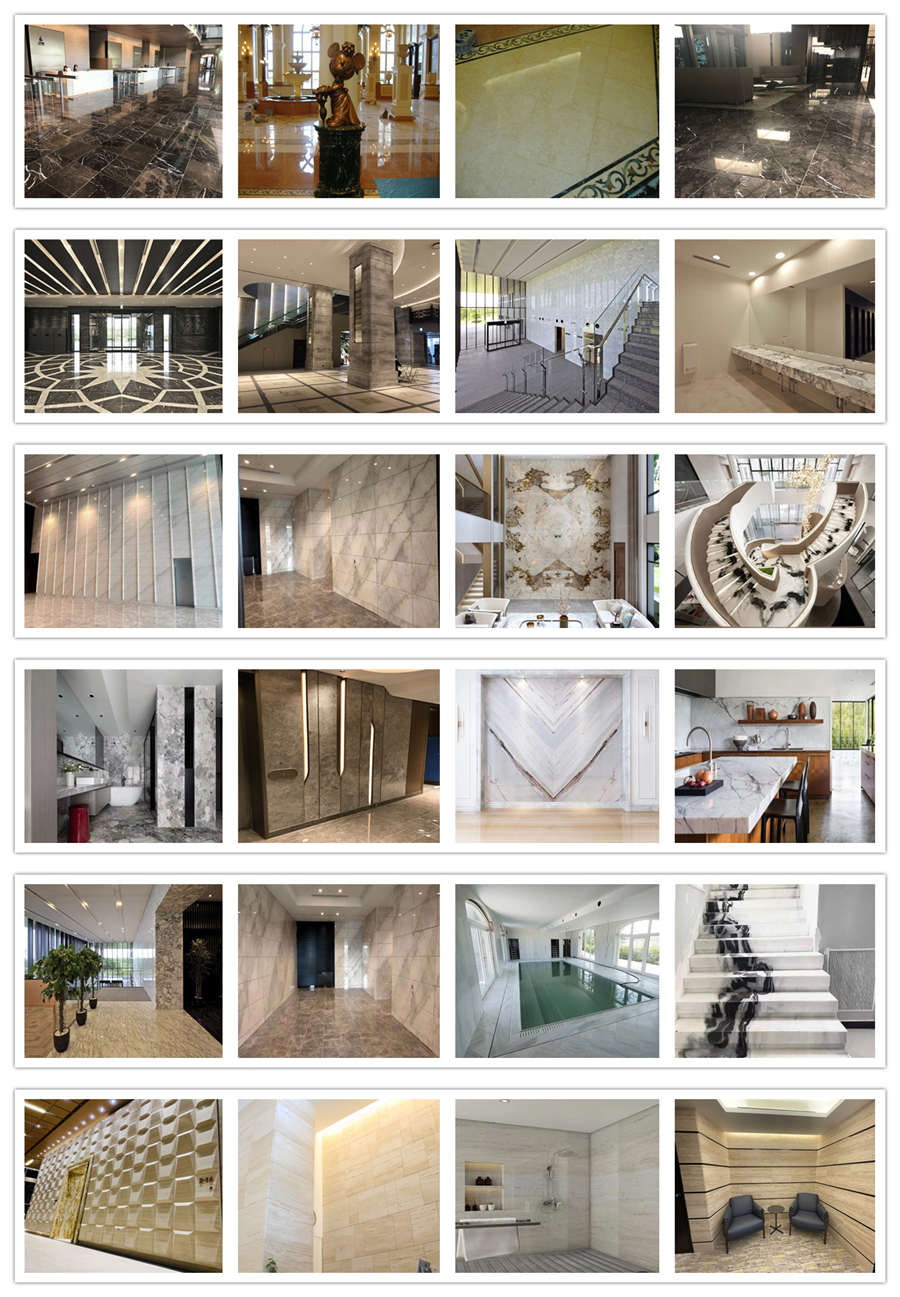
This transformation is why marble is so highly valued-it combines the geological history of ancient seas with the powerful forces that shape our planet, resulting in a uniquely beautiful and durable stone.