
Granite slabs are cut through a series of precise and specialized steps that involve both manual and mechanical processes. Here's a general overview of how granite slabs are cut:
Quarrying:
The first step in obtaining granite slabs begins with quarrying, which involves extracting large blocks of granite from the earth. This is typically done using heavy machinery such as drills, saws, and explosives.
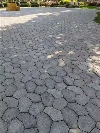
Here we take our G050 Jilin white granite as an example.

Block Preparation:
Once extracted, the granite blocks are transported to a processing facility. Here, they are inspected and prepared for cutting. This may involve trimming the block to remove any unwanted or damaged areas.

Marking and Layout:
Before cutting, the granite block is carefully marked and laid out to indicate where the slabs will be cut. This ensures that the slabs will be cut to the desired size and shape, with minimal waste.
Cutting:
The granite block is then cut into slabs using a variety of methods, depending on the desired thickness and finish. Some common cutting methods include:
Wire Sawing: A thin, steel wire embedded with diamond beads is looped around the granite block and pulled through it using a machine. As the wire moves, it cuts through the granite, creating a smooth, even surface.
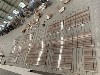
Gang Sawing: A large machine with multiple diamond-tipped blades is used to cut through the granite block simultaneously, producing multiple slabs in a single pass.
Waterjet Cutting: High-pressure water mixed with an abrasive material (such as garnet) is used to cut through the granite, creating a precise and clean cut.
Polishing:
Polishing is the final step in the granite polishing process. It involves using a polishing pad or wheel with an extremely fine abrasive compound, typically a diamond slurry or powder.

The polishing pad or wheel is rotated at high speeds, applying pressure and heat to the granite surface. This causes the abrasive particles to break down and flatten the surface on a microscopic level, creating a smooth, shiny finish.
Multiple passes with progressively finer polishing compounds may be necessary to achieve the desired level of shine.
Trimming and Edging:
After cutting, the granite slabs may need to be trimmed to remove any uneven or rough edges. This is done using specialized machines that grind or cut away excess material.

Edging is also an important step, as it gives the slabs a finished look. Edges can be straight, beveled, bullnosed, or customized to the customer's specifications.
Inspection and Quality Control:
Each slab is carefully inspected for quality, ensuring that it meets the desired standards for appearance, thickness, and finish. Any imperfections or defects are noted and may result in the slab being discarded or repaired.

Packaging and Shipping:
Once inspected and approved, the granite slabs are cleaned, dried, and packaged for shipment to customers. This may involve wrapping the slabs in protective materials and securing them in crates or pallets.

It's important to note that the cutting process for granite slabs can vary depending on the specific type of granite, the desired thickness and finish, and the equipment used. However, the general steps outlined above provide a good overview of the process.