
Andesite is a volcanic rock that is formed through a process of solidification of magma in the Earth's crust. This rock is typically composed of plagioclase feldspar, amphibole, and pyroxene minerals, which make it one of the most common volcanic rocks on the planet.
There are several ways in which andesite can be formed. One way is through the partial melting of oceanic crust or the continental crust. This occurs when magma rises from the mantle and partially melts the crust, resulting in the formation of andesite. Another way that andesite can be formed is through the process of fractional crystallization, where minerals in magma separate and solidify at different temperatures to form different rocks.

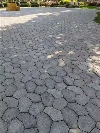
Regardless of how andesite is formed, it is an incredibly strong and durable rock that has been used for thousands of years by various civilizations for construction and art purposes. Andesite rocks come in a variety of colors, ranging from light gray to dark gray, and have a fine-grained texture that makes them ideal for building walls, floors, and other structural elements. Some of the most famous structures made from andesite include the Inca ruins of Machu Picchu in Peru and the ancient temples of Java in Indonesia.
In conclusion, andesite is a fascinating rock that is formed through complex geological processes. Its durability and versatility make it a valuable resource for building and artistic purposes, and it contributes to the beauty of our planet's geological history.