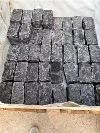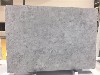



- Stone mining:
Traversine stone is usually formed in hot springs or limestone caves, gradually formed during the rapid precipitation of calcium carbonate.
The mining process requires professional equipment and technology to ensure the integrity and safety of the stone. The extracted stone blocks will be transported to the processing plant for further processing.
- Cutting and preliminary processing:
At the processing plant, large pieces of limestone are cut into sizes and shapes suitable for making tiles. This step is usually completed using a large stone cutting machine. The cut stone blocks will undergo preliminary glue, polishing, and finishing to remove rough surfaces and irregular edges.
10,000M2 Marble Factory
Our marble factory is located in Nan'an, Fujian, China, with 4 large diameter multi blade cutting machines, 1 automatic grinder, 5 manual polishing machines, 5 sets of infrared cutting machines, 3 sets of copiers, 1 set of slab calibration machine, 1 set of beveling machine, 2 drilling machines, 8 cranes and 2 forklifts, 2 carving machines, etc.

- Fine polishing and polishing:
Next, the stone tiles will undergo fine polishing and polishing treatment. The purpose of this step is to make the surface of the ceramic tiles smoother and smoother, and to showcase the natural texture and color of the stone.
During the grinding and polishing process, different grit grinding wheels or polishing agents may be used to achieve the desired surface effect.
- Surface treatment:
In order to improve the slip resistance, stain resistance, or other properties of limestone tiles, manufacturers may perform special surface treatments. For example, using special anti slip agents for spraying or matte treatment. These treatments can enhance the practicality and aesthetics of tiles, making them more suitable for use in specific places such as bathrooms.
- Quality inspection and packaging:
After completing the above steps, each tile will undergo strict quality inspection to ensure that it meets relevant standards and customer requirements.
- Qualified tiles will be properly packaged to prevent damage during transportation and storage.
It should be noted that due to the natural characteristics of Traversine stone, such as porosity and color variation, each tile may have a unique texture and color. Therefore, special attention should be paid to maintaining consistency and coordination between tiles during the production process.
In addition, with the development of technology and changes in market demand, the production process of Travertine tiles is constantly improving and innovating. For example, some manufacturers may adopt advanced digital cutting technology to optimize cutting accuracy and efficiency; Or use environmentally friendly polishing agents and surface treatment agents to reduce the impact on the environment.
Overall, the production process of Traversine Tile is a complex and intricate process that requires professional equipment, technology, and experience to ensure the quality and performance of the final product.