To verify the authenticity of marble (and distinguish it from imitations like porcelain, quartz, or cultured stone), follow these professional methods:
1. Visual & Tactile Inspection
A. Natural Imperfections
Look for:
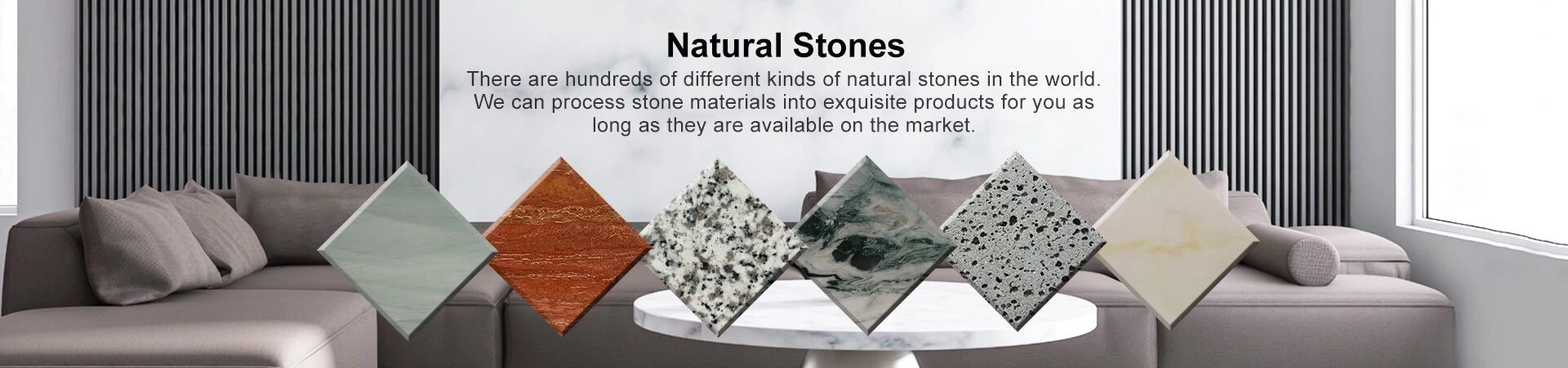
- Irregular veins that vary in thickness and direction (never perfectly uniform).
- Subtle color variations and "cloudy" patches (no two slabs are identical).
- Tiny pits, cracks, or fissures (natural stone flaws).
Fake marble (printed porcelain/quartz) has repetitive patterns and unnaturally uniform colors.
B. Temperature Test
Touch: Real marble feels cooler than room temperature (high thermal conductivity).
Imitations (quartz/porcelain) feel less cold or room-temperature.
C. Edge & Back Inspection
- Authentic marble:
Rough, unpolished backside with visible grain.
Chipped edges show consistent color/veining throughout.
- Fake marble:
Printed surface layer with a different backing material.
Edges reveal a white/gray core (if porcelain) or resin binder (if quartz).
2. Chemical & Physical Tests
A. Acid Test (Calcite Reaction)
Steps:
- Apply a few drops of lemon juice or vinegar (weak acid) to an inconspicuous area.
- Real marble will bubble/fizz (calcite reacts with acid).
- Quartz/porcelain shows no reaction.
Caution: This etches marble-test only on hidden spots!
B. Scratch Test
Tool: Use a steel knife (Mohs 5.5).
- Real marble (Mohs 3–5): Scratches easily.
- Quartz (Mohs 7) or porcelain (Mohs 8): No scratch.
Note: Granite (Mohs 6–7) also resists scratching.
C. Water Absorption Test
Steps:
- Drop water on the surface and wait 10 minutes.
- Real marble: Absorbs water, leaving a dark spot.
- Porcelain/quartz: No absorption (water beads up).
3. Advanced Verification
A. UV Light Check
- Real marble: No fluorescence under UV light.
- Fake marble: Some resins/glues in imitations may glow.
B. Professional Certification
- Request quarry certificates (e.g., Carrara marble comes with Italian origin docs).
- Check for ISO 9001/CE marks on slabs.
4. Common Fakes & Red Flags
- Porcelain "Marble Look" Tiles:
Perfectly repeating patterns.
Hard, glossy, and non-porous.
- Cultured Marble:
Made of crushed marble + resin.
Lighter weight, warm to touch.
- Quartz "Marble-like" Slabs:
Brand names (e.g., Caesarstone, Silestone).
No natural flaws.
5. Where to Test?
- Showrooms: Inspect full slabs (not just samples).
- Fabricators: Ask to see raw edges.
- Post-Installation: Check for acid etching over time.
Quick Authenticity Checklist
| Test | Real Marble | Fake Marble |
|---|---|---|
| Vein Pattern | Irregular, unique | Repetitive, printed |
| Acid Reaction | Bubbles | No reaction |
| Temperature | Cold to touch | Room temp |
| Water Absorption | Absorbs (darkens) | Waterproof |
Pro Tip: For high-value purchases (e.g., Statuario), hire a geologist or stone inspector.
Need help identifying a specific slab? Share photos of the surface/edges!