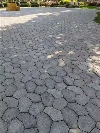

Here is a clear guide on how to clean outdoor granite tiles, covering routine cleaning and dealing with tougher stains.
Regular/Routine Cleaning
For general dirt, dust, pollen, and light stains, follow these simple steps:
1. Sweep or Dry Mop: First, remove loose debris, leaves, and dirt with a soft broom or a dry dust mop.

2. Prepare a Mild Cleaning Solution:
- Use a pH-neutral stone cleaner (best option) or a few drops of mild dish soap in a bucket of warm water.
- Avoid: Harsh cleaners like bleach, ammonia, vinegar, lemon juice, or generic bathroom/grout cleaners. These acidic or alkaline chemicals can degrade the protective sealer and etch the stone surface over time.

3. Scrub Gently:
Use a soft-bristle brush (nylon brush or push broom) or a non-abrasive microfiber mop.
Scrub the tiles with the soapy solution to lift dirt from the textured surface.
4. Rinse Thoroughly:
This is a crucial step. Use a garden hose to rinse off all the soapy residue completely. Leftover soap can leave a dulling film and attract more dirt.
5. Dry (Optional but Beneficial):
Allow the granite to air dry. For a streak-free shine on honed or polished granite, you can towel dry it.
Dealing with Specific Stains & Deep Cleaning
For oil, grease, rust, or persistent organic stains (mold, mildew, algae):
1. For Organic Stains (Mold, Mildew, Algae):
- Mix a solution of 12% hydrogen peroxide with a few drops of ammonia (wear gloves).
- Apply it to the stained area, cover with plastic wrap, and let it sit for several hours or overnight. Rinse thoroughly.
2. For Oil or Grease Stains:
- Create a poultice: This is a paste that draws the stain out.
- Mix a poultice powder (like diatomaceous earth) with a poultice liquid (acetone or a specialized stain remover for oil) to form a thick paste.
- Apply the paste over the stain, about ¼-inch thick, extending past the stain's edges.
- Cover with plastic wrap and tape down the edges. Let it dry completely (24-48 hours).
- Remove the plastic, let the poultice powder crumble away, and rinse the area.
3. For Rust Stains:
- Use a commercial rust remover poultice specifically designed for stone. Follow the product instructions carefully.
- Important Note for Stains: Always test any cleaning product or poultice in an inconspicuous area first to ensure it doesn't discolor or damage your granite.
What to AVOID
- Acidic Cleaners (vinegar, lemon, many bathroom cleaners): Can etch the surface.
- Abrasive Pads or Powders: Can scratch the surface, especially polished granite.
- High-Pressure Power Washers: The intense pressure can force water underneath tiles, compromise the sealer, and in rare cases, damage the stone's surface if too close. Use a garden hose sprayer instead.
- De-icing Chemicals: In winter, avoid salt or chemical ice melters, as they can cause spalling (surface pitting). Use sand or kitty litter for traction.
Key to Easy Cleaning: Proper Sealing
- A quality penetrating sealer is your best defense. It makes the granite highly stain-resistant and much easier to clean.
- Test if Sealing is Needed: Sprinkle a few drops of water on the tile. If it darkens quickly (within 1-2 minutes) and soaks in, it's time to re-seal. If it beads up, the seal is still effective.
- Re-seal your outdoor granite tiles every 1 to 3 years, depending on climate and wear.
Quick Summary Checklist
- Sweep regularly.
- Wash with mild soap & water.
- Rinse thoroughly.
- Blot spills immediately.
- Use a poultice for tough stains.
- Re-seal periodically.
- AVOID acids, abrasives, and pressure washers.
Following these steps will keep your outdoor granite tiles looking beautiful and extend their lifespan for decades.