

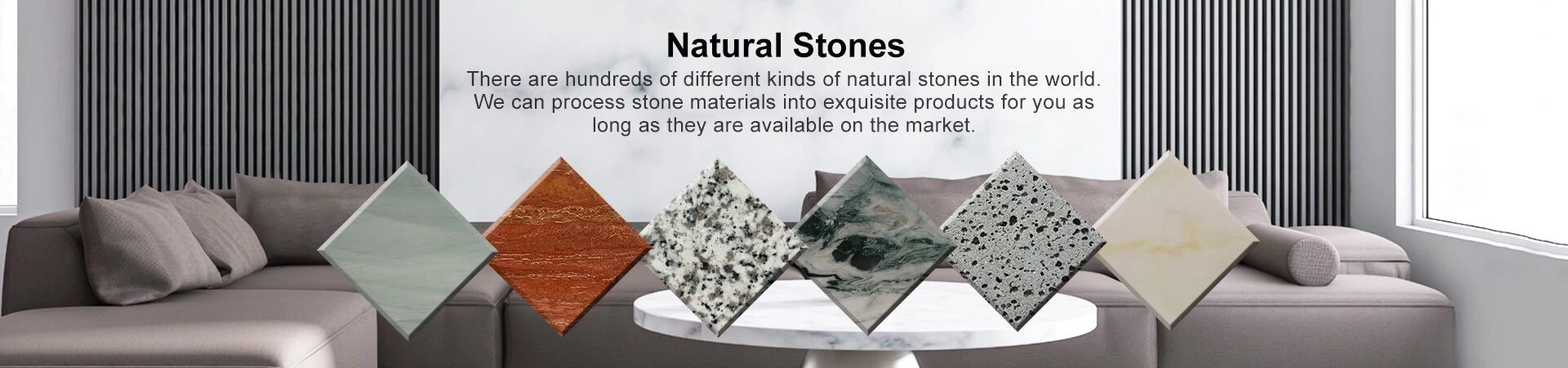
Travertine is a natural stone that has been used for centuries in high-end architecture and interior design. Its timeless beauty, durability, and versatility make it a popular choice in luxury residential projects, enhancing both the aesthetic appeal and long-term value of a property.

1. Timeless Elegance and Unique Appearance
Travertine is known for its warm, earthy tones and natural veining patterns, which add sophistication and character to any space. Each tile or slab is unique, creating an interior that feels custom-designed and exclusive.
- Perfect for flooring, wall cladding, and feature walls
- Adds depth and texture to living rooms, hallways, and bathrooms
- Complements a wide range of interior styles, from classical to contemporary
This uniqueness contributes to a perceived luxury and high-end finish, which is highly valued in real estate.

2. Versatile Applications in Luxury Homes
Travertine can be used in a variety of areas to enhance both functionality and design:
- Interior Flooring: Smooth, honed travertine tiles create a polished look for living areas.
- Bathrooms and Spas: Naturally porous yet durable, travertine works well for shower walls, vanities, and spa-like environments.
- Kitchens and Countertops: Adds elegance while being practical with proper sealing.
- Outdoor Spaces: Travertine pavers and pool surrounds provide slip resistance and natural beauty.
- Fireplaces and Accent Walls: Highlight architectural features with luxurious stone textures.
This versatility allows homeowners to create cohesive, high-value interiors throughout the property.

3. Durability and Longevity
Travertine is a long-lasting natural stone that can withstand heavy foot traffic and daily wear with proper care.
- Resistant to scratches and cracks
- Can be refinished and polished to restore its original beauty
- Maintains its luxurious appearance for decades, making it a long-term investment
Durable, high-quality materials like travertine are often a selling point for luxury homes, as they reduce maintenance costs and add credibility to premium pricing.

4. Enhanced Resale Value
Using travertine in key areas of a home signals quality and attention to detail, which can influence buyers' perceptions. Homes featuring travertine floors, bathrooms, or outdoor patios often:
- Appear more exclusive and luxurious
- Attract buyers seeking timeless materials
- Command higher market value compared to homes with standard flooring or surfaces
5. Sustainable and Eco-Friendly Appeal
Travertine is a natural stone, which appeals to environmentally conscious buyers. Its long lifespan reduces the need for replacement, and sourcing responsibly mined travertine aligns with modern sustainable building trends.
FAQ
Q: What is travertine and where is it sourced from?
A: Travertine is a natural sedimentary stone formed by mineral deposits in hot springs, primarily sourced from Italy, Turkey, and Iran.
Q: What are the most common finishes of travertine tiles?
A: Filled and Honed, filled and polished finishes are common, providing options for both interior and exterior applications.
Q: Can travertine be used for outdoor patios?
A: Yes, travertine is highly durable and slip-resistant, making it suitable for outdoor flooring, patios, and pool surrounds.
Q: How to maintain travertine flooring?
A: Regular sweeping, using pH-neutral cleaners, and periodic sealing protect travertine from stains and wear.
Q: Is travertine suitable for commercial projects?
A: Yes, travertine's durability, elegance, and natural variation make it ideal for luxury commercial buildings, hotels, and office lobbies.
Q: What thicknesses are available for travertine tiles?
A: Standard tile thickness ranges from 10mm to 30mm, depending on flooring or wall application.
Q: Can travertine be cut to custom sizes?
A: Yes, travertine can be precisely cut to project requirements, including large slabs and stair treads.
Q: Does travertine require sealing?
A: Yes, sealing travertine enhances stain resistance and maintains long-term aesthetics, especially for high-traffic areas.
Q: What color options are available for travertine?
A: Colors include ivory, silver, beige, walnut, and vein-cut variations to match diverse design themes.
Q: Is travertine environmentally friendly?
A: Yes, as a natural stone, travertine is sustainable and recyclable, with minimal processing required.
Conclusion
Incorporating travertine into luxury homes adds both tangible and intangible value:
- Tangible: durability, low maintenance, long-term investment
- Intangible: visual appeal, exclusivity, timeless elegance
For homeowners and designers seeking to elevate property value and create lasting impressions, travertine offers a perfect balance of beauty, durability, and prestige.


