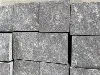

Installing Stone for Driveways: Technical Guide for Durable Performance
Stone driveways are widely used in residential and commercial projects due to their durability, load-bearing capacity, and long-term performance. Proper installation is essential to ensure structural stability, effective drainage, and resistance to heavy traffic loads. This guide outlines the key technical steps and considerations for installing stone driveways using natural stone materials such as granite, basalt, or porphyry.

1. Subgrade Preparation
The installation process begins with proper preparation of the subgrade. The existing soil must be excavated to the required depth, typically depending on the expected traffic load.
- Remove organic material and loose soil
- Compact the subgrade to achieve a stable base
- Ensure a slight slope (1–2%) for drainage
A well-prepared subgrade prevents settlement and ensures long-term structural integrity.
2. Base Layer Construction
The base layer provides load distribution and structural support. Crushed stone aggregates are commonly used for this layer.
- Recommended thickness: 150–300 mm depending on load requirements
- Use well-graded crushed stone (e.g., 20–40 mm)
- Compact in layers to achieve maximum density
Proper compaction is critical to prevent deformation under vehicle loads.
3. Bedding Layer Installation
The bedding layer ensures even placement of the paving stones and facilitates load transfer.
- Typically 30–50 mm thick
- Use coarse sand or fine crushed stone (e.g., 5–10 mm)
- Level the surface carefully without over-compaction
This layer allows precise adjustment of stone levels during installation.
4. Stone Placement
Natural stone materials such as cobblestones, granite setts, or paving slabs are installed on the prepared bedding layer.
- Maintain consistent joint spacing
- Follow a suitable laying pattern (e.g., running bond, herringbone)
- Ensure tight interlocking between stones
For driveways, interlocking patterns are recommended to improve load distribution and stability.

5. Joint Filling
Joints between stones must be filled to lock the paving system and prevent movement.
- Use fine sand or specialized jointing material
- Sweep into joints and compact
- Repeat filling to ensure full joint penetration
Proper jointing enhances resistance to traffic loads and reduces displacement.
6. Edge Restraints
Edge restraints are essential to prevent lateral movement of the paving system.
- Install concrete or stone curbs along edges
- Ensure they are securely anchored
- Maintain alignment throughout installation
Without proper edge support, stones may shift over time.
7. Drainage Considerations
Effective drainage is critical for driveway performance.
- Maintain surface slope (1–2%)
- Use permeable joints where applicable
- Incorporate drainage channels if required
Proper drainage prevents water accumulation and reduces long-term damage.
8. Material Selection
Choosing the right stone material directly affects durability and performance:
- Granite: High strength and abrasion resistance
- Basalt: Dense and durable for heavy traffic
- Porphyry: Natural split surface with good slip resistance
Stone thickness should be selected based on load requirements, typically ranging from 50 mm to 100 mm for driveways.
9. Quality Control
Key factors to monitor during installation include:
- Proper compaction of all layers
- Accurate leveling of bedding layer
- Consistent joint filling
- Compliance with project specifications
Regular inspection ensures long-term reliability of the driveway system.
10. Maintenance
Although stone driveways require minimal maintenance, periodic checks are recommended:
- Refill joints if necessary
- Clean surface to remove debris
- Inspect for settlement or movement
Proper maintenance extends service life and preserves appearance.
Conclusion
Installing stone for driveways requires careful planning, proper material selection, and strict adherence to construction standards. By following correct installation procedures, natural stone driveways can provide long-lasting durability, structural stability, and consistent performance in both residential and commercial applications.