No, not all marble is translucent. While translucency is a famous characteristic of many well-known white marbles, it is not a universal property that defines all marble.
The degree of translucency in marble depends on three key factors:
1. Chemical Purity
Marble is primarily composed of calcite (calcium carbonate). The purer the calcite content, the more translucent the marble will be. Impurities are the main reason some marbles are opaque.
Highly Translucent Marbles: These are typically very pure white marbles. Examples include:
- Statuario (especially the famous variety from Carrara, Italy)
- Calacatta (also from Italy)
- Thassos (from Greece, known for its bright white color)
- Opaque or Less Translucent Marbles: These contain significant impurities that block light.
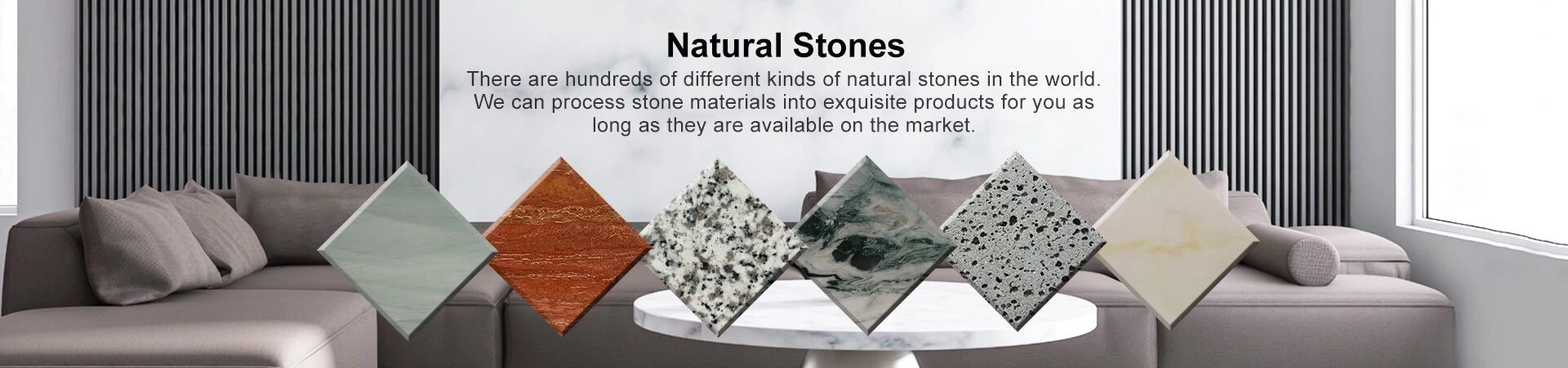
- Black Marbles (like Nero Marquina): The dark color comes from carbonaceous materials or bitumen, which are completely opaque.
- Green Marbles (like Verde Guatemala): The green color comes from serpentine and other minerals that block light.
- Red Marbles (like Rouge Royal): The red color comes from iron oxides (hematite), which are opaque.
2. Crystalline Structure
Marble forms when limestone is subjected to heat and pressure, causing the calcite crystals to recrystallize and grow. A tight, uniform, and fine-grained crystalline structure allows light to pass through more effectively between the crystal boundaries. A more varied or coarse-grained structure will scatter and block light, reducing translucency.
3. Thickness
This is the most practical factor. As with Carrara marble, translucency is only apparent in thin slabs. A 3-inch thick block of even the purest white marble will appear completely opaque. The property is only visible when the marble is sliced to a thickness of 2-3 cm (approx. 3/4 to 1 inch) or less.
Summary Table
| Characteristic | Translucent Marble (e.g., Statuario) | Opaque Marble (e.g., Nero Marquina) |
|---|---|---|
| Primary Color | White, very light gray | Black, dark green, red, many other colors |
| Chemical Purity | Very high calcite content, few impurities | High level of impurities (carbon, iron, serpentine) |
| Light Test | Thin edges glow when backlit with a strong light. | No light passes through, even on thin edges. |
| Common Uses | Sculpture, backlit feature walls, high-end thin tile | Flooring, countertops, tiles where opacity is desired |
Key Takeaway
Think of translucency as a possible characteristic of marble, not a defining one.
Just as "not all dogs bark the same way," not all marbles share the same level of translucency. It is a prized feature found primarily in light-colored, high-purity marbles, and it becomes visually apparent only when the stone is cut thin. The presence of colorful mineral impurities almost always makes a marble opaque.