
Are Cobblestones Stronger Than Other Natural Stones? A Technical Analysis
1. Defining "Cobblestone" vs. "Stone"
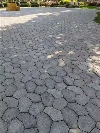
Cobblestone: A specific form of natural stone (typically granite, basalt, or sandstone), either naturally rounded by river erosion or hand-cut into irregular shapes. Historically used for paving due to its durability.

Stone: A broad category including all natural stone types (e.g., granite, marble, limestone, travertine), each with varying mineral compositions and structural properties.

2. Strength Comparison: Key Factors
Cobblestones are not inherently stronger than other stones; their performance depends on:
A. Material Composition
Granite Cobblestones: Extremely strong (Compressive strength: 200–300 MPa), ideal for heavy-load applications like driveways.
Basalt Cobblestones: Even denser than granite (Compressive strength: 250–350 MPa), but less common.
Sandstone/Limestone Cobblestones: Weaker (Compressive strength: 50–150 MPa), prone to erosion in harsh climates.
Comparison: A granite cobblestone is stronger than marble (50–120 MPa) or limestone pavers but similar to other granite products (e.g., slabs or tiles).
B. Structural Advantages of Cobblestone Format
Interlocking Effect: Irregular shapes distribute weight laterally, reducing cracking under pressure.
Thickness: Traditional cobblestones are thicker (10–15 cm) than many sawn stone pavers (5–8 cm), enhancing load-bearing capacity.
Surface Texture: Natural roughness resists skidding, unlike polished stone.
C. Weaknesses
Mortarless Installation: Without a bonded base, cobblestones may shift over time compared to mortared stone tiles.
Freeze-Thaw Vulnerability: Porous stones (e.g., sandstone) degrade faster than dense granite.
3. Industry Verdict
"Cobblestone" is a shape/application term, not a material.
Granite cobblestones outperform most stones in load-bearing scenarios (e.g., driveways, streets).
Other granite formats (e.g., sawn blocks) can match cobblestone strength if equally thick.
4. Recommendations for High-Strength Applications
For projects requiring maximum durability:
✔ Choose granite or basalt cobblestones (not sandstone).
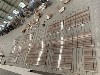
✔ Opt for 12+ cm thickness and mesh-backed panels for stability.
✔ Avoid porous stones in freeze-thaw climates.
Professional Footnote:
"Cobblestone's legendary durability stems from historical use of dense granite/basalt. Modern sawn granite pavers can achieve similar strength but lack cobblestone's mechanical interlock."