
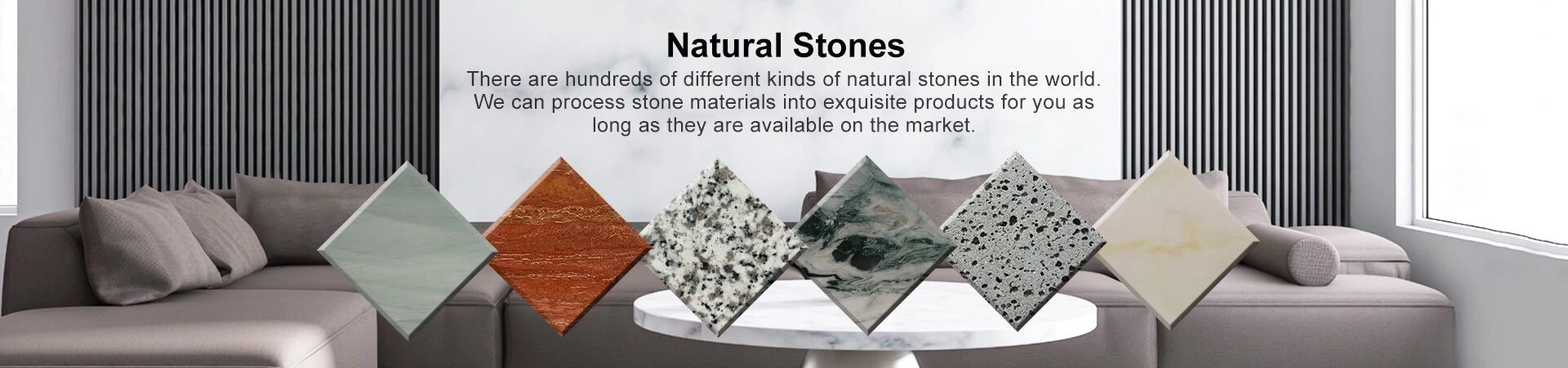
Choosing between granite and marble for flooring involves trade-offs between durability, maintenance, aesthetics, and cost. Neither is universally "better" – the best choice depends on your priorities. Here's a detailed comparison:
Key Differences at a Glance
| Factor | Granite | Marble |
|---|---|---|
| Hardness/Durability | Extremely hard, scratch-resistant | Softer, scratches/etches easily |
| Stain Resistance | Low porosity (when sealed) | High porosity, stains easily |
| Maintenance | Lower maintenance | High maintenance (frequent sealing) |
| Aesthetics | Speckled/veined patterns, bold colors | Classic veining, luminous elegance |
| Cost | Moderate to high | Moderate to very high |
| Slip Resistance | Better (especially honed/flamed) | Polished can be slippery |
Deep Dive: Granite vs. Marble for Flooring
1. Durability & Wear Resistance:
Granite: ⭐️ Winner for high-traffic areas.
One of the hardest natural stones (6-7 on Mohs scale).
Resists scratches, chips, and heavy foot traffic exceptionally well.
Ideal for entryways, kitchens, and commercial spaces.
Marble:
Softer (3-5 on Mohs scale), prone to etching (dull spots from acids like lemon juice/vinegar) and scratching.
Not ideal for kitchens or high-traffic zones unless honed.
2. Stain & Moisture Resistance:
Granite: ⭐️ Superior when sealed.
Naturally less porous. With proper sealing (every 1-3 years), it resists stains and moisture well.
Marble:
Highly porous – spills (wine, oil, coffee) can stain quickly if not sealed meticulously.
Requires sealing 2-4 times per year in busy areas. Even then, etching remains a risk.
3. Aesthetic Appeal:
Marble: ⭐️ Winner for luxury/classicism.
Iconic veining (e.g., Carrara, Calacatta) and luminous glow create timeless elegance.
Elevates formal spaces (foyers, bathrooms, low-traffic living areas).
Granite:
Bold, speckled patterns with depth. Offers earthy, modern, or dramatic looks.
Less "prestigious" than marble but more versatile for contemporary designs.
4. Safety & Slip Resistance:
Granite: ⭐️ Better for wet areas.
Honed, flamed, or brushed finishes offer good grip.
Often used in pool decks and bathrooms.
Marble:
Polished marble becomes slippery when wet – risky in bathrooms/entryways.
Use honed marble for better traction (though it shows wear faster).
5. Cost:
Granite: Typically $50–$200/sq. ft installed (varies by rarity).
Marble: $75–$250+/sq. ft (common Carrara is affordable; Calacatta Gold is premium).
Note: Exotic granites can cost more than basic marbles.
6. Maintenance:
Granite: Clean with pH-neutral cleaners; reseal every few years.
Marble: Requires gentle cleaning (no acids!), immediate spill cleanup, and frequent sealing. Etching may require professional polishing.
When to Choose Which
Granite is best for:
✅ Kitchens, entryways, hallways, homes with pets/kids.
✅ Outdoor use (resists weathering).
✅ Busy households wanting low-maintenance luxury.
Marble is best for:
✅ Formal bathrooms, powder rooms, or low-traffic living/dining rooms.
✅ Spaces where aesthetics trump practicality (e.g., statement foyers).
✅ Those committed to meticulous upkeep for timeless beauty.
In a word,
Choose granite if: Durability, stain resistance, and low maintenance are top priorities.
Choose marble if: You prioritize unmatched elegance and accept high maintenance as a trade-off.
💡 Pro Tip: Consider granite for floors and marble for walls/accents to balance beauty and practicality. For a marble look without the hassle, explore porcelain tiles mimicking marble – they're durable, stain-proof, and cost-effective.