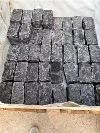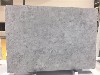

Yes, granite is an excellent choice for outdoor use. It is one of the most popular and durable natural stones for outdoor applications.
Here's a breakdown of why it's so suitable, along with a few considerations:
Advantages of Granite for Outdoors:
Exceptional Durability & Hardness:
Granite is a very hard, igneous rock. It is highly resistant to scratching, cracking, and chipping from everyday wear and tear, foot traffic, and outdoor furniture.
01
Weather Resistance:
It is very resistant to weathering, including rain, snow, and freeze-thaw cycles (when properly sealed). Its low porosity means it absorbs very little water, which prevents cracking from ice formation inside the stone.
02
Heat & Sun Resistance:
Granite can withstand extreme heat and direct sunlight without fading, warping, or becoming damaged. This makes it perfect for areas around grills, fire pits, or in full sun.
03
Aesthetic Appeal:
It offers a beautiful, natural look with a wide variety of colors and patterns (speckled, salt-and-pepper, veined). It adds a permanent, high-end appearance to any outdoor space.
04
Low Maintenance:
When sealed correctly and periodically, granite is easy to clean. Dirt, moss, and spills can be washed away with mild soap and water.
05
Common Outdoor Uses for Granite:
- Paving & Flooring: Patios, pool decks, garden pathways, and walkways.
- Kitchen & BBQ Areas: Countertops for outdoor kitchens, bars, and serving surfaces (handles heat from pots and grills perfectly).
- Wall Cladding & Veneers: For exterior walls of houses or garden features.
- Monuments & Benches: Often used for permanent outdoor memorials, benches, and bollards due to its longevity.
- Stairs & Step Treads.

Important Considerations & Tips:
1. Finishes: The finish you choose impacts safety and maintenance.
- Flamed or Bush hammered: This finish is highly recommended for floors, pool decks, and steps. It creates a rough, anti-slip surface that is safe when wet.
- Honed (Matte): Provides good traction and a more natural look.
- Polished (Glossy): Can be very slippery when wet. Best reserved for vertical surfaces (like wall cladding) or table tops in dry areas.
2. Sealing: While granite is less porous than many stones, applying a high-quality penetrating sealer is crucial for outdoor use. This provides an extra layer of protection against:
- Staining: From oil, grease, or organic growth.
- Water Absorption: Enhancing its freeze-thaw resistance.
Sealing should be repeated every 1-3 years, depending on climate and usage.
3. Installation: Must be installed correctly on a stable, well-compacted, and properly sloped base to ensure drainage and prevent shifting or cracking.
Comparison to Other Common Stones:
- vs. Sandstone/Limestone: Granite is much harder and less porous. Sandstone and limestone are more susceptible to etching from acids (like vinegar) and can weather more quickly.
- vs. Marble: Marble is much softer and chemically sensitive (etches easily from rain acidity). It is generally not recommended for high-traffic outdoor areas.
- vs. Concrete Pavers: Granite is more natural, often more durable, and typically more expensive. Concrete offers more design flexibility in terms of shape and color but can crack and fade.
In summary: Yes, granite is more than just "okay" for outdoor use-it is a top-tier, premium material. Its combination of strength, weather resistance, and beauty makes it an outstanding long-term investment for outdoor projects, provided the correct finish is chosen and it is properly sealed and installed.