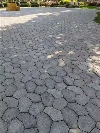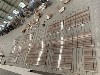
Yes, granite paving is exceptionally good, but it is a premium product that comes with a higher cost. It is one of the highest quality and most durable choices you can make for paving.

However, whether it's the right choice for you depends on your project, budget, and aesthetic goals.
Let's break down the pros and cons in detail.

Advantages of Granite Paving (The Pros)
1. Unmatched Durability & Longevity: Granite is one of the hardest natural stones available (6-7 on the Mohs scale). It is highly resistant to:
- Scratching: It won't scratch from foot traffic, furniture, or normal garden use.
- Weathering: It has very low water absorption, making it highly resistant to freeze-thaw cycles and winter frost damage. This is a key advantage over softer stones like sandstone or limestone in colder climates.
- Weight: It can easily handle vehicle traffic, making it perfect for driveways and high-use areas.
2. Low Maintenance: Once sealed (highly recommended), granite is very resistant to staining. Spills from oil, wine, or food can be easily wiped away. Its density also means it doesn't harbor moss or algae as easily as more porous materials. Cleaning usually just requires sweeping and occasionally washing with soapy water.
3. Aesthetic Appeal & Versatility:
- Timeless Beauty: Granite offers a sophisticated, elegant look that can enhance property value.
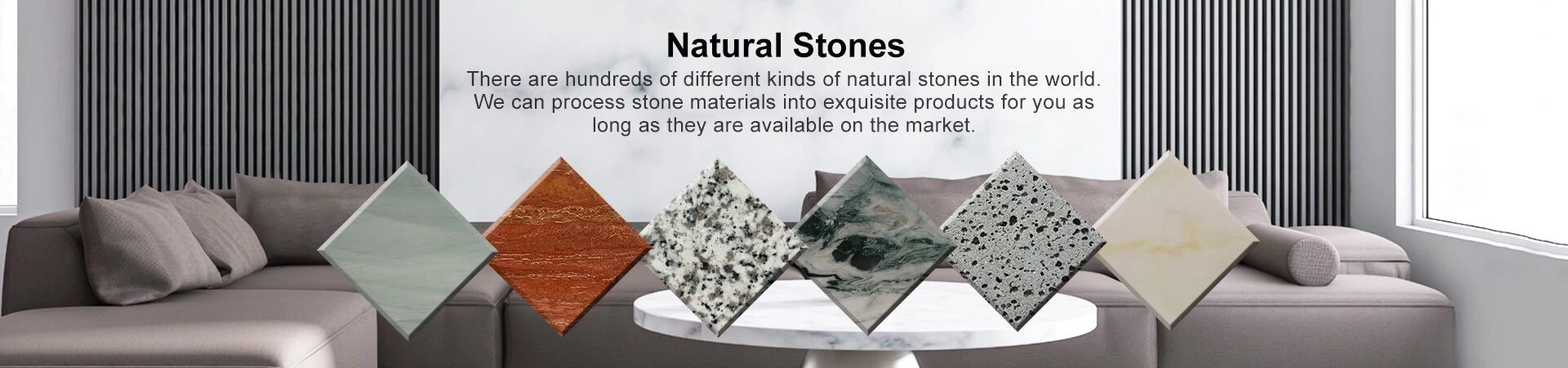
- Color Variety: It comes in a wide range of colors (grey, black, white, red, green, blue, and mixed) with unique crystalline patterns.
- Finish Options: You can choose from different finishes:
- Flamed/Thermal: A rough, non-slip texture, ideal for driveways and pool surrounds.
- Honed/Polished: A smooth, sleek finish, beautiful for patios but can be slippery when wet.
- Sawn/Sandblasted: A slightly textured, contemporary finish.
4. Increases Property Value: Due to its premium status, durability, and beauty, a well-installed granite paving project is a significant investment that can boost the resale value of your home.
Disadvantages of Granite Paving (The Cons)
- High Cost: This is the most significant drawback. Granite is one of the most expensive paving options, often 2-3 times the price of concrete pavers or imported sandstone. The cost includes both the material itself and the potential for higher installation costs due to its weight and hardness.
- Weight and Installation Difficulty: Granite slabs and setts (cobbles) are extremely heavy and hard to cut. This requires professional installation with the right tools (e.g., diamond-tipped blades). DIY installation is not recommended.
- Slipperiness: This is a critical consideration. Polished granite can become very slippery when wet, making it a poor choice for pool decks or areas that are often wet. Always opt for a flamed or textured finish for any area where slip resistance is a priority.
- Color Variation: As a natural product, the color can vary from batch to batch. It's crucial to purchase all the stone you need from the same production lot to ensure consistency.
- Formal Appearance: The precise cutting and sleek look can feel more formal or urban. It might not achieve the rustic, cottage-style charm that reclaimed Yorkstone or irregular sandstone offers.
Best Uses for Granite Paving
- Driveways: Excellent due to its incredible strength and resistance to vehicle oils.
- High-Traffic Pedestrian Areas: Public squares, commercial walkways.
- Modern Patios and Terraces: Creates a sleek, contemporary outdoor living space.
- Pool Coping and Surrounds: When using a flamed finish for grip.
- Paths and Walkways: Extremely long-lasting and stable.
Conclusion
Granite paving is an outstanding, top-tier choice if:
- Your budget allows for a premium material.
- You need extreme durability for driveways or high-traffic areas.
- You desire a low-maintenance, long-lasting surface.
- You love the sophisticated, modern, or formal aesthetic it provides.
Final Recommendation: If you can afford the initial investment, granite paving is a fantastic and virtually permanent solution that will look beautiful for decades with minimal care. Always use a professional installer and choose the right finish for your specific application.