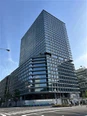

Yes, limestone can be suitable for exterior facades, but it depends on the type of limestone, climate conditions, and proper installation methods.
Limestone has been used for centuries in architectural facades due to its natural elegance, workable structure, and timeless appearance. However, as a sedimentary stone, it requires careful material selection and technical consideration.
Why Limestone Is Used for Facades
1. Natural and Elegant Appearance
Limestone typically features soft, neutral tones such as beige, cream, grey, and light brown. These colors work well in both classical and modern architectural designs.
2. Good Workability
Compared to harder stones like granite, limestone is easier to cut, carve, and fabricate into custom facade panels, moldings, and decorative elements.
3. Thermal Performance
Limestone has relatively good thermal mass, helping regulate temperature in building envelopes.
Important Factors to Consider
1. Climate Conditions
Limestone performs well in moderate and dry climates.
In areas with:
Heavy rainfall
Freeze-thaw cycles
High pollution
a denser, low-absorption limestone should be selected to prevent deterioration.
2. Water Absorption Rate
Exterior-grade limestone must have controlled water absorption to reduce risk of cracking or surface damage.
3. Surface Finish
Common finishes for exterior facades include:
Honed
Sandblasted
Bush hammered
These finishes provide better texture and reduce visible weathering compared to highly polished surfaces.
4. Proper Anchoring System
For exterior cladding, mechanical fixing systems are typically recommended to ensure safety and long-term structural stability.
When Limestone May Not Be Ideal
- Extremely cold regions with severe freeze-thaw cycles
- Highly acidic environments
- Coastal areas with strong salt exposure (unless specially selected and treated)
In these cases, granite or other denser stones may offer higher durability.
Conclusion
Limestone is suitable for exterior facades when the correct material grade is selected and proper installation methods are used. It offers timeless beauty and architectural flexibility, making it a popular choice for commercial buildings, villas, and institutional projects.
For facade projects, it is important to evaluate climate, stone density, absorption rate, and installation system to ensure long-term performance.