
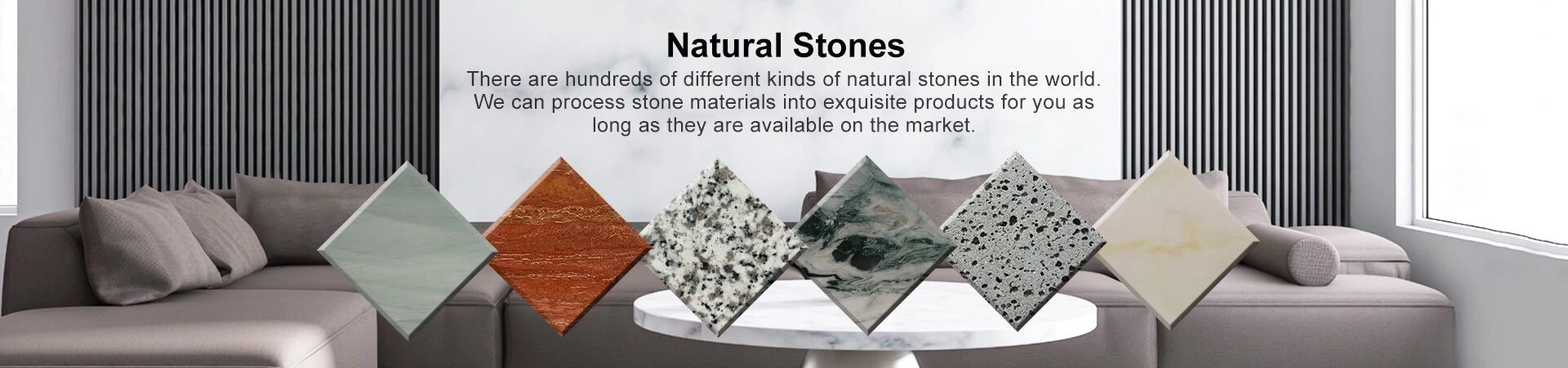
Yes, marble is a porous natural stone. This is one of its defining characteristics and a crucial factor to understand for its proper application, maintenance, and long-term care.
1. The Scientific and Geological Basis
Marble is a metamorphic rock formed from limestone or dolomite under intense heat and pressure. This process, called metamorphism, recrystallizes the calcium carbonate (or dolomite) minerals. While the resulting structure is dense and interlocking, it inherently contains:
- Microscopic Pores: Spaces between the recrystallized mineral grains.
- Fissures and Veins: Natural weak points and fractures that can absorb liquids.
The exact porosity level can vary significantly depending on the specific type of marble, its quarry origin, and its mineral composition. Some marbles are denser than others, but none are completely non-porous like a glazed ceramic tile.
2. Practical Implications of Porosity
The porous nature of marble directly impacts its performance and maintenance requirements:
- Staining: Spills of dark, acidic, or pigmented liquids (e.g., red wine, coffee, citrus juice, cooking oil) can be absorbed into the stone, leaving permanent stains if not immediately cleaned.
- Etching: This is a chemical reaction, not just absorption. Acids (like lemon juice or vinegar) react with the calcium carbonate in marble, dissolving the polished surface. This results in a dull, matte spot or mark that has lost its shine. Etching is a surface calcite loss, whereas staining is internal discoloration.
- Water Damage: In wet areas like bathrooms, prolonged exposure to water can lead to water spotting or, in severe cases, cause the stone to weaken over time.
- Breeding Ground for Bacteria: In unsanitary conditions, the pores can harbor moisture and bacteria, which is why sealing is critical for kitchen countertops.
3. Comparison with Other Natural Stones
To provide context:
- Granite: Generally less porous than marble due to its composition of hard silicate minerals (like quartz and feldspar). It is also highly resistant to acids.
- Quartzite: A natural stone that is typically denser and less porous than marble, and highly acid-resistant.
- Limestone & Travertine: Often more porous than marble, with a higher absorption rate.
- Slate: Porosity varies, but its layered structure can make it susceptible to absorption along cleavage planes.
4. Management and Protection
The porosity of marble is managed, not eliminated, through a critical process: sealing.
- Impregnating Sealers: These are the primary type of sealer used for marble. They do not create a surface film but penetrate the pores, forming a hydrophobic (water-repelling) barrier within the stone. This significantly slows down the absorption of liquids, giving you time to clean up spills.
- Important Note: Sealing does not make marble stain-proof or acid-proof. It makes it stain-resistant. It will not prevent etching from acidic substances. A sealed surface will still etch if exposed to acid, but the liquid will bead up on the surface rather than be immediately absorbed.
Summary
In conclusion, marble is unequivocally a porous stone. This characteristic is responsible for both its aesthetic appeal (the beautiful veining is a result of mineral impurities moving through these pores under pressure) and its primary maintenance challenges. Successful use of marble, especially in high-traffic areas like kitchens, requires an understanding of its porosity and a commitment to prompt cleaning and a consistent resealing schedule as recommended by the stone fabricator or sealer manufacturer.