

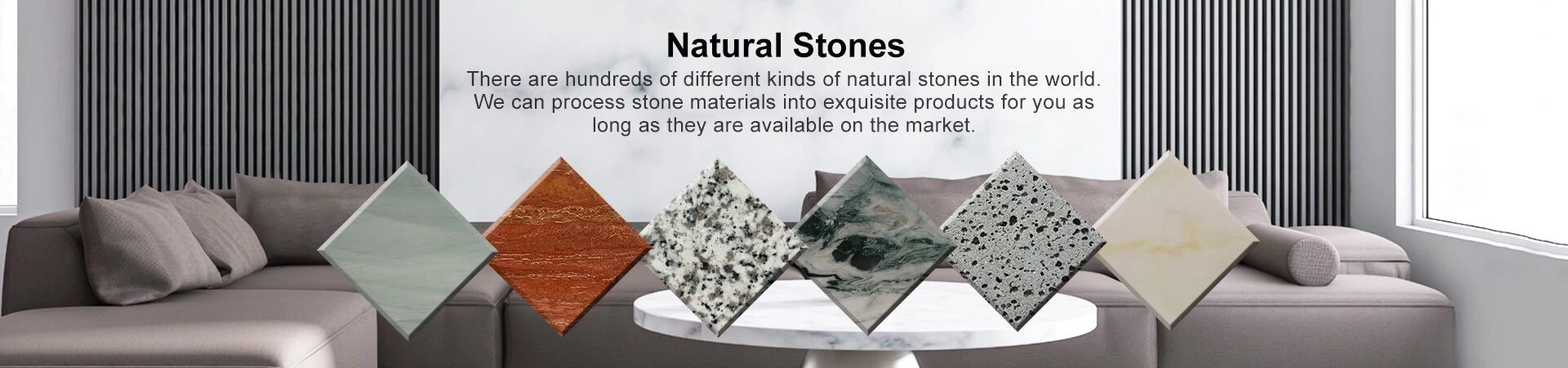
Yes, marble is a valuable stone, but its value is highly dependent on the type, quality, and application.
It's not a commodity like gold where you can state a fixed price per ounce. Instead, think of its value on a spectrum.
Here's a detailed breakdown of what makes marble valuable and what factors influence its price.
1. What Makes Marble Valuable?
- Aesthetics and Uniqueness: Marble is renowned for its beautiful, veined patterns. No two slabs are exactly alike, making each piece unique. Its classic, luxurious appearance has been prized for millennia.
- Durability and Longevity: When properly sealed and maintained, marble is a very durable stone that can last for centuries (think of ancient Greek and Roman statues and buildings that still exist today).
- Rarity and Origin: Certain types of marble from specific quarries are extremely rare and sought-after. For example, Statuario from Carrara, Italy, is one of the most famous and expensive marbles in the world.
- Cultural and Historical Prestige: Marble has been the material of choice for sculptures, monuments, and important buildings since antiquity. This history adds to its perceived value and prestige.
2. Factors That Determine Marble's Value
Not all marble is created equal. Here's what drives the price up or down:
Type and Origin:
- High-End: Italian marbles like Calacatta Gold, Statuario, and Arabescato are at the top of the price pyramid due to their distinctive bright white backgrounds and dramatic, complex veining.
- Mid-Range: Many other Italian, Spanish, and Greek marbles, as well as high-quality imports from Turkey and India, fall into this category. They are beautiful and durable but more accessible.
- More Accessible: Domestic marbles from the US (like Georgian or Tennessee marble) or more common varieties can be more affordable.
Quality of the Slab:
- Color and Veining: Whiter backgrounds with bold, dramatic, and aesthetically pleasing veining are more valuable. Consistency across multiple slabs for a large project also increases cost.
- Thickness: Standard slabs are 2cm (¾") or 3cm (1 ¼"). Thicker slabs are more expensive and are often used for heavy-duty countertops or flooring.
- Fissures and Filling: All natural stone has natural imperfections. Higher-quality slabs have fewer fissures and use less epoxy or resin to fill them. Lower-quality marble may be heavily filled, which can be visible and may not age as well.
Application and Fabrication:
- A large, seamless countertop for a kitchen will require a more expensive, high-quality slab than marble used for a small bathroom floor.
- The cost of fabrication (cutting, polishing, edging) is significant and is added to the cost of the stone itself.
3. The "Value" vs. "Cost" Consideration: Practicality
This is a critical point. While marble is valuable, it may not be the most practical or high-"value" choice for every situation.
Pros: Beautiful, unique, adds real estate value, heat-resistant (great for baking).
Cons:
- Porosity and Staining: It is susceptible to staining from acids (like lemon juice, vinegar, wine) and oils. It requires immediate cleaning and periodic sealing.
- Scratching: It is softer than granite or quartz. It can be scratched by knives and abrasive materials.
- Etching: This is the biggest concern for countertops. Acidic spills will chemically "burn" the polished surface, leaving a dull spot. Some people love the "lived-in" patina this creates, while others see it as damage.
Price Ranges (Very General Estimates)
- Tile or Basic Marble: $5 - $15 per square foot
- Mid-Range Slab Marble: $40 - $100 per square foot
- High-End Luxury Marble (e.g., Calacatta): $100 - $250+ per square foot
Note: This is for the material only. Fabrication and installation are additional and can often double the total cost.
Conclusion: Is it a Good Investment?
- As a Material for Art and Monuments: Unquestionably valuable. Its durability and workability are unmatched.
- As a Building Material for High-End Homes: Yes, it adds significant aesthetic and monetary value to a property. It is a mark of luxury.
- As a Practical Countertop for a Busy Kitchen: This is debatable. Its value here is more about aesthetics and prestige than pure practicality. For a high-traffic kitchen, a harder stone like granite or a non-porous material like quartz might offer better "value for money" in terms of durability and maintenance.
Final Verdict: Marble is a valuable natural stone whose worth is rooted in its beauty, history, and uniqueness. Whether it's a valuable choice for you depends entirely on your budget, your project, and your willingness to maintain its timeless beauty.


