Travertine vs. Marble: Key Differences
1. Geological Origin
Travertine: A sedimentary rock formed in hot springs/limestone caves, created by rapid mineral deposition (especially calcium carbonate) from water.
- Porous with natural pits/voids (often filled during processing).
- Layered texture due to mineral banding.
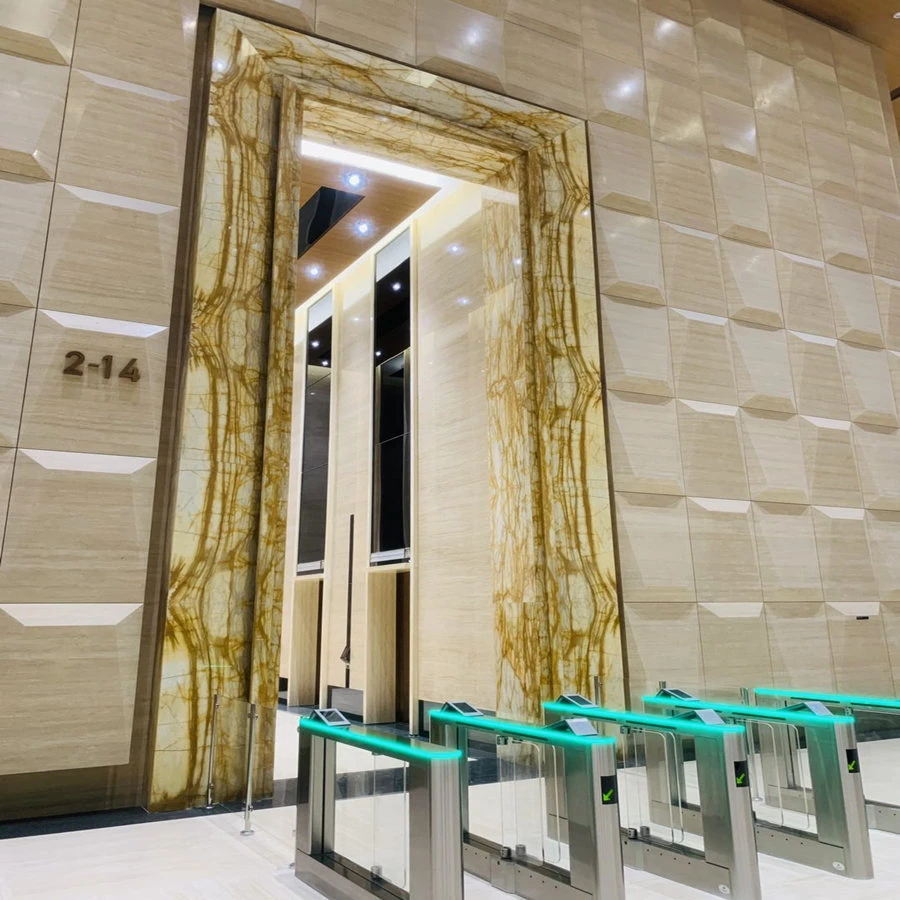
Marble: A metamorphic rock formed when limestone undergoes extreme heat/pressure.
- Denser and less porous than travertine.
- Crystalline structure with distinctive veining.
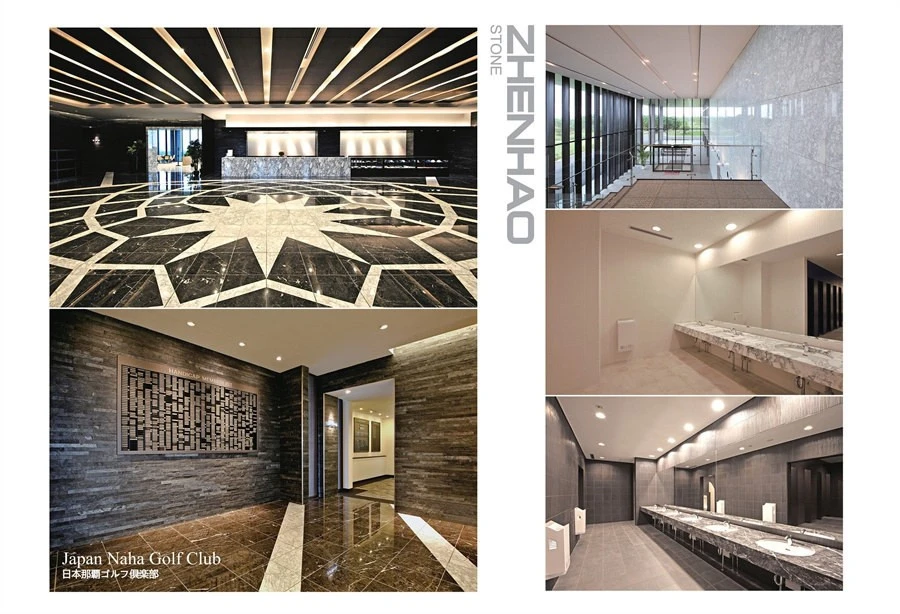
2. Appearance
Travertine:
- Warm, earthy tones (beige, gold, walnut, red).
- Matte or textured finishes (e.g., tumbled, brushed).
Marble:
- Elegant, polished look with dramatic veins (e.g., Carrara white, Calacatta gold).
- Glossy finishes common.
3. Durability & Use
Travertine: Softer (3–4 on Mohs scale) – best for indoor walls, light-traffic floors, or outdoor use in mild climates (sealing required).
Marble: Harder (4–5 on Mohs scale) but stains easily (acid-sensitive). Ideal for luxury interiors (countertops, bathrooms).
4. Price & Maintenance
- Travertine: Generally more affordable than marble; requires regular sealing due to porosity.
- Marble: Higher cost (especially rare types like Statuario); needs pH-neutral cleaners to avoid etching.
Can Zhenhao Stone Supply Both?
Yes! As a professional manufacturer, we offer:
- Travertine tiles – Custom sizes/finishes for rustic or modern designs.
- Marble tiles – Premium veined slabs for high-end projects.
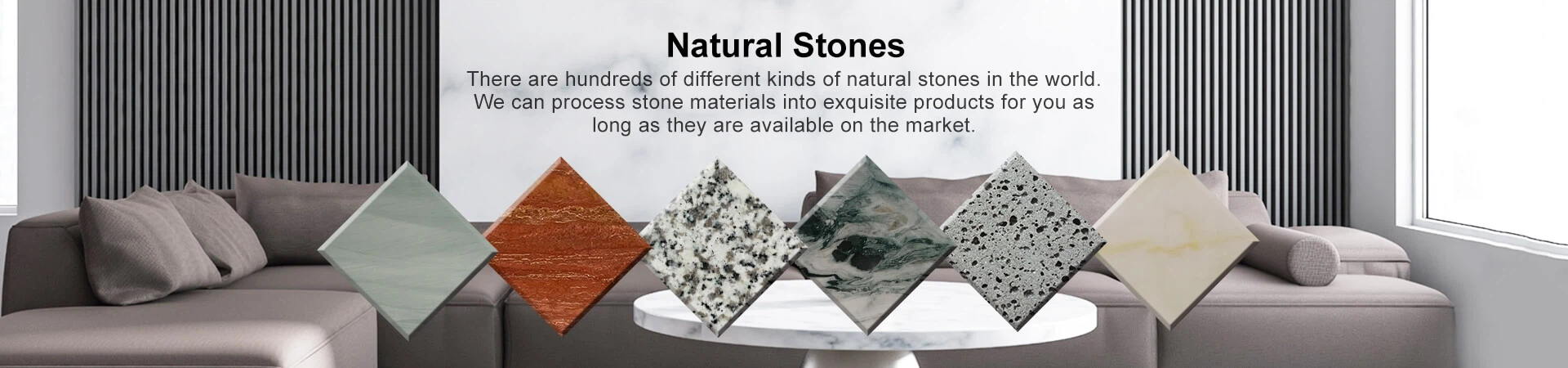
- Limestone, onyx, and more – All customizable per your design.
Request samples to compare materials side-by-side!
Why This Matters for Buyers
- Travertine = Natural, textured, cost-effective (great for Mediterranean/Tuscan styles).
- Marble = Luxe, polished, timeless (suited for classical/contemporary spaces).
Need help selecting the right stone? Contact us at diana@zhenhaostone.com for expert guidance!