

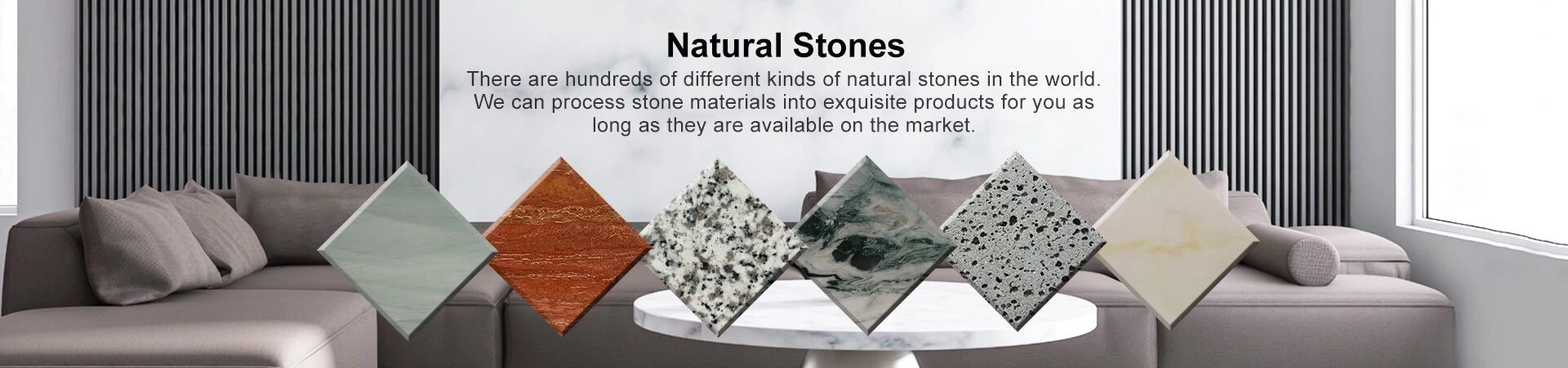
The application of marble in luxury interiors is undergoing a clear global transformation-from decorative surface material to spatial identity driver. Across markets such as Europe, the Middle East, North America, and Asia-Pacific, marble is increasingly specified not only for aesthetics, but for experience, sustainability, and architectural expression.

Below is a structured analysis of global marble trends in luxury interiors, aligned with current design directions and B2B project demand.
1. From Surface Material → Architectural Statement
Key Shift:
Marble is no longer limited to flooring or countertops-it is becoming a core architectural element.
Global Applications:
- Full-height wall cladding (lobbies, hotel suites)
- Sculptural staircases and columns
- Integrated furniture (tables, islands, vanities)
- Feature fireplaces and reception backdrops

Design logic:
- Marble is used as a visual anchor and storytelling material
- Bookmatching and continuous veining create "art-scale" installations
Market Insight:
Luxury developers increasingly treat marble as a design centerpiece, not a finishing layer.
2. Large-Format & Seamless Spatial Design
Trend:
- Global projects are shifting toward large slabs and minimal joints
- Full slab wall panels in bathrooms and living areas
- Seamless flooring systems for villas and high-end residences
- Integrated slab-to-slab continuity across spaces

Impact:
- Enhances perception of space (larger, cleaner, more premium)
- Reduces visual fragmentation
Large-format marble is now a standard specification in luxury interiors, especially in hospitality and branded residences
3. Warm Tones Replacing Cold Minimalism
Global Color Direction (2025–2027):
- Beige, cream, and sandy neutrals
- Gold-veined white marble
- Warm brown and earthy palettes

This marks a clear shift from:
Cold grey / pure white → "warm luxury" environments
Design drivers:
- Emotional comfort and hospitality experience
- Alignment with biophilic and wellness design
Warm-toned marble creates inviting, livable luxury, particularly in hotels and residential projects
4. Bold Veining & Statement Aesthetics
Trend:
High-end interiors increasingly demand visual impact
- Calacatta, Statuario, Arabescato (strong contrast)
- Green marble (biophilic luxury)
- Black marble with gold veins (dramatic effect)
Applications:
- Feature walls
- Reception desks
- Bathroom focal panels
Marble is treated as natural artwork, where veining defines the design narrative
5. Textured & Tactile Finishes (Beyond Polished)
Surface Evolution:
- Honed
- Leathered
- Brushed
- 3D carved panels
Drivers:
- Move away from overly glossy interiors
- Demand for tactile, human-centered design
This aligns with the broader shift toward:
- "Tactile luxury"
- Material authenticity
Textured marble enhances light interaction and spatial depth, especially in hospitality and retail environments
6. Marble + Material Mixing Strategy
Hybrid Material Design:
Marble is increasingly combined with:
- Wood (warmth)
- Metal (brass, bronze accents)
- Glass (modern contrast)
- Engineered surfaces (performance balance)
Use cases:
- Kitchen countertops (marble + quartz)
- Bathroom vanities
- Feature walls with mixed materials
This approach balances:
Aesthetics + durability + cost optimization
7. Customization & Bespoke Production
Market Direction:
Luxury clients are moving toward non-standard marble applications
Examples:
- Custom-cut marble furniture
- Waterjet mosaics
- Curved marble installations
- Integrated lighting + stone
This reflects a broader shift:
- From mass production → project-specific fabrication
- Customization is now a key differentiator in B2B supply chains
8. Sustainability & Traceability Requirements
Procurement Evolution:
Global developers increasingly require:
- Quarry traceability
- Environmental certifications
- Lifecycle data (LCA)
Reasons:
- ESG compliance
- Green building certifications (LEED, WELL)
Natural marble's advantages:
- Long lifecycle
- Recyclability
- Low chemical emissions
9. Functional Repositioning (Selective Use)
Despite its luxury status, marble is being used more strategically:
Preferred Areas:
- Feature walls
- Bathrooms
- Decorative furniture
Reduced Use in:
High-traffic kitchen countertops (due to maintenance concerns)
This reflects a balance between:
Aesthetic value vs. functional durability
10. Competitive Landscape Impact
Marble faces increasing competition from:
- Quartz
- Sintered stone
- Quartzite
However:
Marble remains dominant in ultra-luxury and design-driven projects
Its competitive edge:
- Natural uniqueness
- Prestige and heritage
- Emotional and visual impact
Strategic Conclusion (B2B Perspective)
The global marble market in luxury interiors is shifting toward:
1. Design-Centric Value
Marble as a visual and spatial identity element
2. High Customization
Cut-to-size, bespoke fabrication, project solutions
3. Material Storytelling
Veining, origin, and uniqueness drive specification
4. Sustainable Positioning
Traceable, eco-certified stone is becoming mandatory
Key Takeaway
Marble is no longer competing as a material-
it is competing as a design experience and architectural language.


