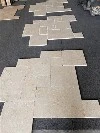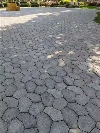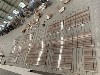
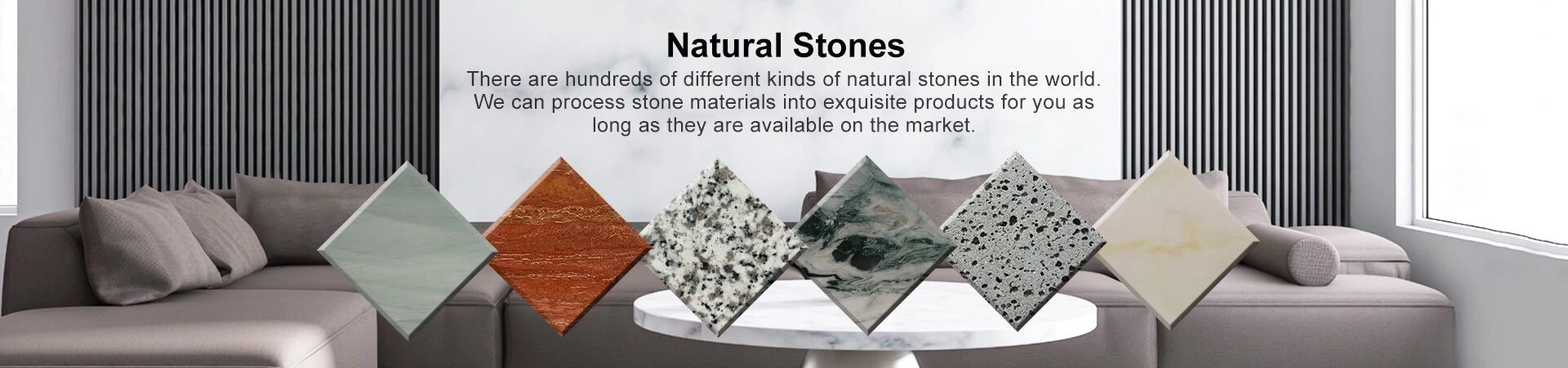
Choosing the correct thickness of natural stone is one of the most important decisions in architectural and construction projects. Stone thickness directly affects structural performance, installation method, transportation requirements, and long-term durability.
Whether the application is exterior paving, interior flooring, wall cladding, stairs, or custom stone elements, the thickness should be selected according to the load conditions, installation environment, and stone type.
Why Natural Stone Thickness Matters
Natural stone is a durable building material, but different applications require different thickness standards. A stone panel suitable for an interior wall may not be strong enough for a driveway or public plaza.
Proper thickness helps to:
- Improve load-bearing capacity
- Reduce the risk of cracking or breaking
- Ensure stable installation
- Extend service life
- Meet engineering requirements
Architects, contractors, and designers should consider both the stone material and the final application before specifying thickness.
1. Natural Stone Thickness for Interior Flooring
Interior flooring usually experiences foot traffic rather than heavy mechanical loads. Therefore, thinner stone products can be used when installed on a properly prepared substrate.
Common thickness options:
15–20 mm Natural Stone Tiles
Suitable for:
- Residential interior floors
- Hotel rooms
- Office spaces
- Interior corridors
- Decorative flooring areas
Marble, travertine, and limestone tiles are commonly processed in this thickness range.

20–30 mm Stone Flooring
Recommended for:
- Commercial buildings
- Hotel lobbies
- Shopping areas
- High-traffic interior spaces
A thicker stone provides better stability and reduces the possibility of movement or damage during long-term use.
2. Natural Stone Thickness for Exterior Paving
Outdoor paving requires higher strength because stones are exposed to weather conditions, temperature changes, moisture, and heavier loads.
Common thickness options:
30 mm Natural Stone Paving
Suitable for:
- Pedestrian walkways
- Garden paths
- Residential landscaping
- Courtyard paving

40–50 mm Natural Stone Paving
Recommended for:
- Commercial landscapes
- Public plazas
- Outdoor terraces
- High-traffic areas
Granite, basalt, porphyry, and other dense stones are commonly selected for these applications.
3. Granite Thickness for Driveways and Heavy Traffic Areas
Driveways and vehicle areas require stronger paving systems because of repeated pressure from vehicles.
Common solutions include:
Granite Cubes
Typical sizes:
- 10×10×5 cm
- 10×10×10 cm
- Customized sizes according to project requirements

Granite cubes provide excellent load resistance and are widely used for:
- Driveways
- Streets
- Parking areas
- Urban paving projects
Thick Granite Paving Stones
For heavy-duty applications, thicker granite slabs or blocks are recommended to improve stability and reduce maintenance issues.
4. Natural Stone Thickness for Exterior Wall Cladding
Wall cladding thickness depends on the fixing system, building height, and safety requirements.
Common thickness options:
15–20 mm
Suitable for:
- Low-rise buildings
- Interior wall decoration
- Lightweight applications
25–40 mm
Commonly used for:
- Exterior façades
- Commercial buildings
- Large architectural projects
For exterior applications, engineers should evaluate stone weight, anchoring methods, wind load requirements, and installation systems.
5. Stone Thickness for Stairs and Steps
Natural stone stairs require sufficient thickness to withstand repeated impact and edge stress.
Common specifications:
- Treads: 30–50 mm
- Risers: 20–30 mm
Granite is frequently selected for outdoor steps because of its hardness and abrasion resistance. Marble and limestone are commonly used for interior staircases where decorative appearance is more important.
6. Factors Affecting Natural Stone Thickness Selection
The correct thickness depends on several factors:
1. Stone Type
Different stones have different physical properties:
- Granite: High strength, suitable for heavy-duty exterior applications
- Basalt: Dense volcanic stone, excellent wear resistance
- Marble: Mainly used for decorative interiors
- Travertine: Popular for warm interior designs
- Limestone: Suitable for architectural walls and flooring
2. Application Environment
Consider:
- Indoor or outdoor use
- Pedestrian or vehicle traffic
- Climate conditions
- Moisture exposure
- Freeze-thaw cycles
3. Installation Method
Thickness requirements may vary depending on whether the stone is:
- Directly installed on concrete
- Installed with mortar
- Mechanically fixed
- Used in ventilated façade systems
Zhenhao Stone – Customized Natural Stone Processing
With professional experience in natural stone manufacturing and export, Quanzhou Zhenhao Stone Industrial Co., Ltd. provides customized stone products with different thickness options for architectural and construction projects.
Our products include:
- Granite paving stones
- Marble and limestone tiles
- Travertine flooring
- Exterior wall cladding panels
- Granite steps and risers
- Custom cut-to-size stone products
Selecting the correct stone thickness ensures better performance, easier installation, and longer service life. A well-designed stone system combines engineering requirements with the natural beauty of stone architecture.