
Andesite is a type of volcanic rock that is commonly found in volcanic arcs, such as the Andes Mountains in South America. The name "andesite" actually comes from the Andes Mountains, where this rock type was first identified and studied.
However, while the Andes are the most well-known location for andesite, this rock type is actually found in many other areas of the world as well.
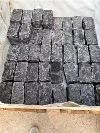
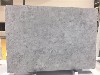
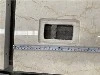
Such as, the following andesite from China. The matt grey andesite looks amazing for the outdoor floors. Besides, the grooved water feature wall tiles are stunning too. Do you think so? Any comment for us? Please contact diana@zhenhaostone.com. We are right here waiting for you, thanks very much.


As for its origins, andesite is formed through the partial melting of the Earth's crust and mantle, which then rises to the surface and solidifies into rock. This process typically occurs in subduction zones, where two tectonic plates collide and one is forced under the other. The heat and pressure generated by this process can cause rocks to melt and form magma, which then rises to the surface and solidifies into andesite.
Despite its fiery beginnings, andesite is known for its durability and strength, making it a valuable building material for everything from monuments to roads. It is also prized by geologists and other scientists for the insights it can provide into the Earth's history and the processes that shape our planet. So while it may be born from the fiery depths of the Earth, andesite ultimately represents the enduring strength and beauty of our world.