

When designing urban streets, choosing the right paving material is essential for long-term performance, safety, and maintenance cost. Porphyry and granite are two of the most popular natural stones used around the world, but they each have strengths that suit different project needs.
Below is a practical comparison to help planners, designers, and contractors decide which material works best for urban street paving.
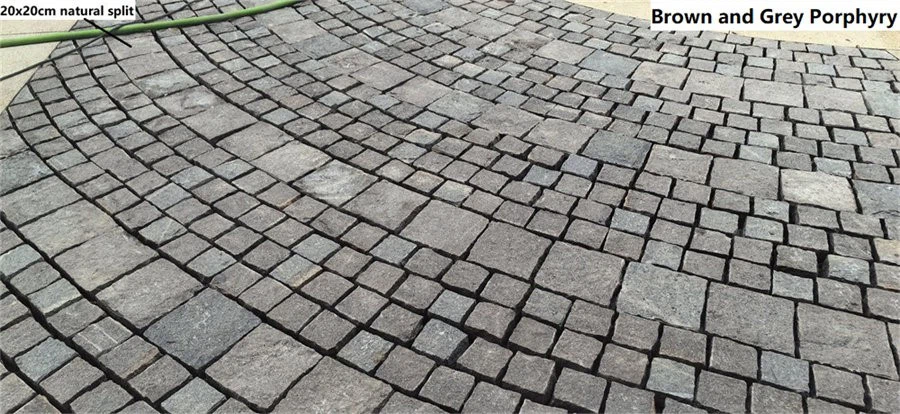
🟤 1. Durability & Traffic Performance
Porphyry:
- Very high density and compressive strength
- Excellent resistance to wear under heavy traffic
Proven performance in European historic streets and high-use areas
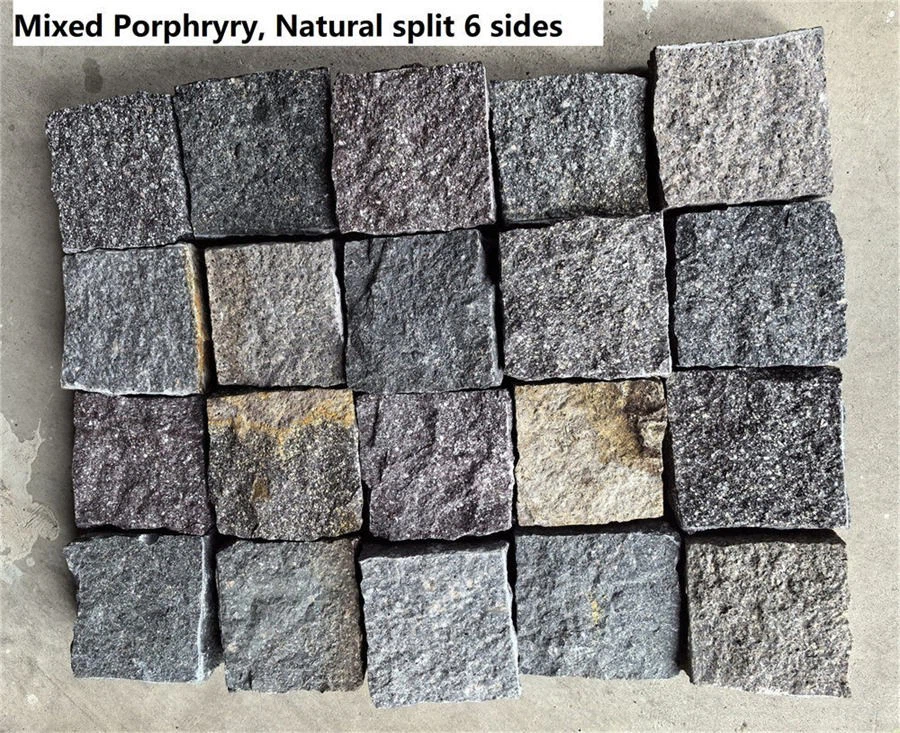
Granite:
- Extremely durable and tough
- Performs well under traffic and load
- Slightly more variation in durability depending on stone type
Verdict: Both stones are excellent in durability, but porphyry's micro-crystalline structure delivers outstanding wear resistance, especially in very high traffic zones.

🟢 2. Slip Resistance
Porphyry:
- Natural rough texture
- Superior slip resistance in wet conditions
- Especially safe for pedestrians
Granite:
- Smooth polished surfaces can be slippery when wet
- Better slip resistance with flamed, bush-hammered, or sawn finishes
Verdict: Porphyry generally offers better anti-slip performance, especially with natural split or flamed finishes.
⚪ 3. Aesthetics & Visual Style
Porphyry:
- Earthy tones (reds, browns, greys)
- Strong natural pattern
- Ideal for historic or classical urban design
Granite:
- Wide color range (black, white, grey, pink, blue)
- Clean and modern appearance
- Greater variety of finishes
Verdict: Granite wins in design flexibility, while porphyry has a distinct character that fits certain contexts better.
🧱 4. Installation & Tolerances
Porphyry:
- Often requires careful jointing for strict tolerances
- Thicker sizes commonly used in roads
Granite:
- Very precise cutting
- Ideal for projects requiring tight dimensional control
Verdict: Granite is easier to produce with high precision, which can speed up installation and reduce fitting time.
💰 5. Cost Considerations
Porphyry:
- Material cost can be higher depending on origin
- Packaging and freight may vary
- Long life can offset higher upfront cost
Granite:
- Price varies widely by stone type and finish
- Easy to source and widely available
Verdict: Granite can be more budget-friendly, but porphyry's performance may justify the cost in high-traffic or heritage zones.
📌 Summary Comparison
| Criteria | Porphyry | Granite |
|---|---|---|
| Durability | ⭐⭐⭐⭐ | ⭐⭐⭐⭐ |
| Slip Resistance | ⭐⭐⭐⭐ | ⭐⭐⭐ |
| Aesthetic Variety | ⭐⭐ | ⭐⭐⭐⭐ |
| Precision & Tolerance | ⭐⭐ | ⭐⭐⭐⭐ |
| Cost | ⭐⭐ | ⭐⭐⭐ |
Best Use Cases:
- Porphyry: High-traffic urban streets, pedestrian zones, historic centers, areas needing strong anti-slip performance.
- Granite: Modern urban streets, plazas, projects needing precise dimensions and wider color choices.
🔍 Final Thought
There isn't a one-size-fits-all answer - both porphyry and granite are excellent paving stones. The best choice depends on your specific street design goals, traffic load expectations, safety requirements, and aesthetic vision.
If you're planning an urban paving project and would like professional guidance, sample options, or competitive quotations, just let me know!