
Andesite and basalt are both types of volcanic rocks that are commonly found on the earth's surface. Although they have different chemical compositions and appearances, they share several similarities that make them useful for a variety of applications. Here are some of the key similarities between Andesite and Basalt:


1. Both are Igneous Rocks: Andesite and basalt are both igneous rocks, which means they are formed from solidification of molten lava or magma. They are the result of volcanic activity, and both can be found in areas with active volcanoes.
2. Both are Dense: Both andesite and basalt are dense rocks, which means they have a high specific gravity and are resistant to weathering and erosion. Their density makes them excellent materials for construction and infrastructure projects.
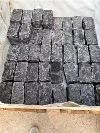
3. Both Have Similar Durability: Andesite and basalt are durable rocks that are resistant to chemical weathering, erosion, and abrasion. They can be used for both indoor and outdoor applications and are popular materials for paving stones, roofing materials, and flooring.
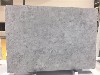
4. Both are Dark-Colored: Andesite and basalt are dark-colored rocks that can range from gray to black. Their dark color comes from the presence of minerals such as pyroxene, feldspar, and olivine. This dark color makes them popular for decorative purposes.
5. Both Can Be Polished: Andesite and basalt can be polished to a shiny finish, making them perfect for use in decorative items such as statues, countertops, and wall panels.
In conclusion, Andesite and basalt may have different chemical compositions and appearances, but they share several important similarities. Both are useful materials for construction and other applications due to their density, durability, and dark color. They are versatile materials that can be used for both functional and decorative purposes.