As one of the most famous monuments in India, the Taj Mahal's selection and use of stone can be considered a masterpiece in architectural history. The following is a detailed description of the Taj Mahal stone:
Types of stone materials
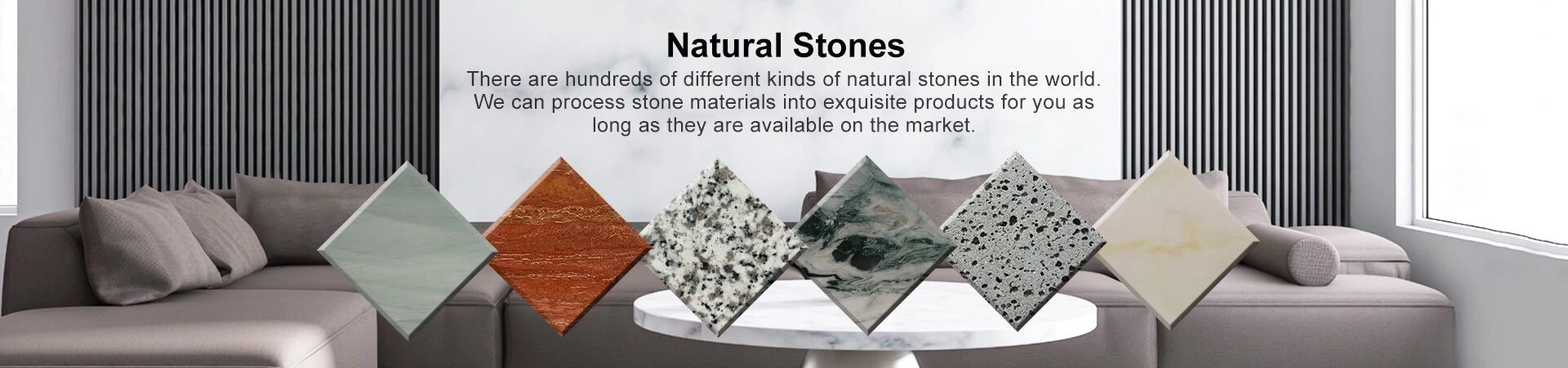
The exterior of the main building of the Taj Mahal is made of the highest grade pure white marble, most of which comes from the distant state of Rajasthan (also known as Makrana in northwest India, near Pakistan), and has been carefully selected and transported. In addition to marble, the Taj Mahal also uses a large number of precious and semi precious stones as decoration, such as turquoise, lapis lazuli, carnelian, jade, crystal, coral, sapphire, and agate, totaling 28 rare and exotic stones.

Stone application
Main building:
The main building of the Taj Mahal is situated on a massive marble pedestal, forming an octagonal shape that is perfect from any direction. The surface of marble is carved into exquisite patterns, including flowers, plants, scriptures, and geometric shapes, and every detail reveals the craftsman's ingenuity. These marbles not only have high hardness and do not absorb water, but also have a flexible perception of light and temperature, making the Taj Mahal unique and charming at different times and under different lighting conditions.
Decorative details:
The marble surface of the Taj Mahal is adorned with countless rare and precious stones, which are carefully embedded in the grooves of the marble, adding a brilliant color to the entire building. These gems are not only brightly colored and of excellent quality, but each represents a different meaning and symbolism, making the Taj Mahal even more mysterious and romantic.

- Interior Decoration:
The interior of the Taj Mahal is equally stunning. The central burial chamber houses the arched marble box of Mutaz Mahal, surrounded by the graves of Shah Jahan and other members of the royal family. The walls and ceilings are decorated with exquisite calligraphy and reliefs depicting verses from the Quran and plant patterns, creating a peaceful and sacred atmosphere. These decorations also use marble and gemstones as the main materials, forming a perfect echo with the external architecture.
- The artistic value of stone
The use of stone in the Taj Mahal not only reflects the superb level of architectural skills at that time, but also showcases the unique charm of Indian Muslim art. The selection and application of these stones not only consider aesthetics and practicality, but also fully consider the overall style and symbolism of the building. The Taj Mahal, with its magnificent architecture and exquisite stone craftsmanship, has become one of the treasures in the history of Indian and world architecture.
In summary, the stone selection, application, and artistic value of the Taj Mahal reflect the unique charm and exquisite craftsmanship of Indian Muslim architectural art. These stones not only add endless charm to the Taj Mahal, but also become important symbols of Indian history and culture.