
Travertine Installation Guide (Professional Reference)
This guide provides a structured overview of travertine installation for flooring and wall applications. As installation practices vary by region and project conditions, the following recommendations are intended as general technical guidance for contractors, architects, and project teams.


1. Material Preparation
Before installation, travertine tiles or slabs should be:
- Inspected for color and vein consistency
- Dry-laid (trial layout) to confirm pattern and selection
- Sorted by tone and variation for balanced installation
- Pre-sealed (optional but recommended) to reduce staining during installation
Travertine is a natural stone with inherent porosity; proper preparation is essential to ensure a consistent final result.


2. Substrate Requirements
A stable and properly prepared substrate is critical.
Floor Installation
- Concrete base must be fully cured, level, and clean
- Surface tolerance: typically within ±3 mm over 2 meters
- Moisture content must meet local standards
Wall Installation
- Substrate must be structurally sound and flat
- For large-format slabs, mechanical anchoring systems may be required
- Waterproofing layers are recommended in wet areas
3. Installation Methods
3.1 Thin-Set Method (Most Common)
- Use polymer-modified thin-set mortar suitable for natural stone
- Apply adhesive using a notched trowel
- Back-butter the tile to ensure full coverage
- Maintain consistent joint spacing
3.2 Thick-Bed (Mortar Bed) Method
- Used for uneven substrates or large-format stone
- Provides better leveling and load distribution
- Common in traditional or heavy-duty installations
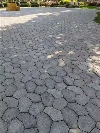
3.3 Dry Installation (Exterior Paving)
- Sand or gravel bedding layer
- Suitable for patios, walkways, and low-load outdoor areas
- Requires proper drainage design
4. Jointing and Grouting
- Joint width: typically 2–5 mm, depending on tile size
- Use non-staining grout compatible with natural stone
- Clean excess grout promptly to avoid surface staining
- For filled travertine, ensure grout color complements the surface tone.
5. Surface Finishes and Slip Resistance
Travertine is available in multiple finishes:
- Polished: smooth and reflective (indoor use)
- Honed: matte, widely used for floors
- Tumbled or brushed: textured, improved slip resistance
- Filled vs. unfilled: depends on design and application
For wet areas or exterior paving, textured finishes are recommended.
6. Sealing and Protection
Sealing is strongly recommended:
- Apply penetrating sealer after installation and cleaning
- Enhances stain resistance and durability
- Reapply periodically based on usage conditions
- In high-traffic areas, sealing helps maintain long-term appearance.
7. Cleaning and Maintenance
- Use pH-neutral cleaners only
- Avoid acidic or abrasive products
- Regular sweeping and damp mopping recommended
- Immediate cleaning of spills prevents staining
- Travertine is sensitive to acids, proper maintenance is essential.
8. Expansion Joints
- Provide movement joints according to project specifications
- Especially important in large areas and exterior installations
- Follow local building standards (e.g., every 6–10 meters for large surfaces)
9. Common Installation Mistakes to Avoid
- Inadequate substrate preparation
- Insufficient adhesive coverage (leading to hollow spots)
- Skipping sealing process
- Using unsuitable grout or adhesive
- Ignoring natural variation during layout
10. Final Recommendations
- Always follow local construction standards and codes
- Conduct mock-up installations for large projects
- Coordinate closely with designers and installers
- Select finish and installation method based on usage conditions
Conclusion
A successful travertine installation depends on proper preparation, correct installation techniques, and ongoing maintenance. When installed correctly, travertine provides a durable, elegant, and timeless surface suitable for both residential and commercial applications.