
There are numerous types of indoor floor tiles available in the market, each with its own unique advantages and disadvantages. The following are some of the most common materials used in indoor floor tiles along with their pros and cons.
1. Ceramic Tiles:
Ceramic tiles are an affordable and popular choice for indoor floor tiles. They are available in a variety of shapes and sizes, making them versatile and easy to customize for any room in the house. These tiles are very durable, scratch-resistant and able to withstand high traffic areas. They are also easy to clean and maintain with just soap and water. However, ceramic tiles are not a great choice for outdoor use because they are prone to cracking in extreme weather conditions.
2. Porcelain Tiles:
Porcelain tiles are very similar to ceramic tiles but have a slightly different manufacturing process. Porcelain tiles are denser and stronger than ceramic tiles, making them more durable and ideal for rooms that receive heavy foot traffic. They are also water-resistant, making them perfect for bathrooms and other wet areas of the house. Additionally, porcelain tiles are resistant to scratches and stains, which makes them easy to maintain. However, porcelain tiles can be more expensive than ceramic tiles due to their higher quality.
3. Natural Stone Tiles:
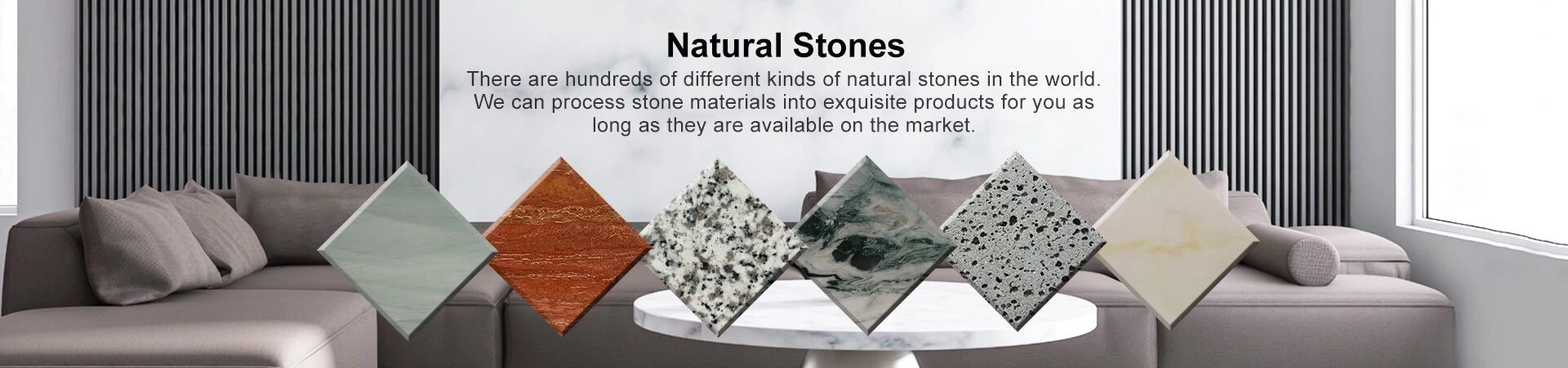
Natural stone tiles are sourced from materials such as granite, limestone, and marble, providing a unique and natural aesthetic to any home. Natural stone tiles are incredibly durable and long-lasting, with each tile offering its own unique individuality. However, this material is very porous, making it prone to staining and the growth of bacteria. They are also very slippery when wet, increasing the risk of falls.

4. Vinyl Tiles:
Vinyl tiles are an affordable and versatile option for indoor floor tiles. They offer a variety of designs and colors, allowing you to mimic almost any tile style that you want. Additionally, vinyl tiles are water-resistant, making them perfect for bathrooms and other wet areas of the house. Vinyl tiles are also easy to install and maintain, requiring minimal maintenance. However, vinyl tiles can be prone to denting and scratching, particularly in high-traffic areas of the house. They are also prone to discoloration over time, which can be an issue in sunny rooms.
5. Laminate Tiles:
Laminate tiles are made up of synthetic materials that mimic the look and feel of wood or stone. They are an affordable option that can be installed quickly and easily. Laminate tiles are scratch-resistant and easy to clean, making them practical in high-traffic areas. However, they are not water-resistant, and if exposed to water, the laminate can warp and become damaged.
6. Cork Tiles:
Cork tiles are a unique and environmentally friendly option for indoor floor tiles. Cork is a renewable resource, making these tiles an eco-friendly option. They are also suitable for allergy sufferers as they naturally repel dust, pet dander, and other allergens. Cork tiles also provide excellent insulation and noise reduction, making them ideal for bedrooms and other living spaces. However, cork tiles are not scratch-resistant and require specialized care to maintain their appearance.
7. Rubber Tiles:
Rubber tiles are a durable and shock-absorbent option for indoor floor tiles. They come in a variety of colors and designs, which makes them a stylish option for gyms or playrooms. Rubber tiles are slip-resistant and easy to clean, making them perfect for wet areas of the home. However, they can be porous and prone to staining if left unsealed.
In conclusion, choosing the right indoor floor tiles depends on aesthetic preferences, desired functionality, and budget. Each type of floor tile has its pros and cons, so it's important to evaluate each one based on its unique strengths and weaknesses.
Apr 16, 2023
Leave a message
Types of indoor floor tiles
Previous
Purpose of floor tilesSend Inquiry