Epoxy terrazzo is a type of modern flooring system where chips of marble, granite, glass, or other aggregates are mixed with a colored epoxy resin binder and poured in place to create a smooth, durable, and highly decorative surface.
It is the contemporary evolution of traditional cement-based terrazzo, leveraging the superior performance and design flexibility of epoxy resins.
Breakdown of Components and Composition
To understand epoxy terrazzo, it's helpful to break it down into its two main parts:
The Binder: Epoxy Resin
This is a two-part synthetic polymer (a resin and a hardener) that, when mixed, creates a incredibly strong, durable, and chemical-resistant plastic.
Key Properties: It is non-porous, flexible (resists cracking), and bonds tenaciously to a properly prepared concrete substrate. It is available in a virtually unlimited range of colors and can be formulated to be self-leveling.
The Aggregate: The "Chips"
These are the decorative elements embedded in the epoxy binder. Common aggregates include:
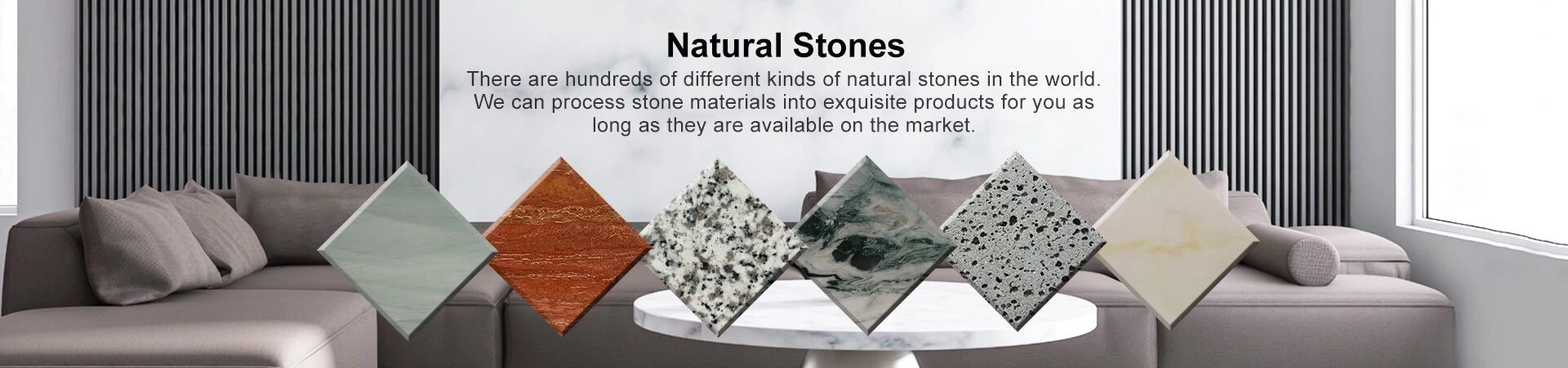
- Marble Chips: The most traditional choice, offering a classic look.
- Granite Chips: Provide more durability and a speckled appearance.
- Glass Chips/Aggregate: Can be recycled or new, offering brilliant colors and translucency. They are a very popular modern choice.
- Mother of Pearl, Shells, Metal Aggregates: Used for unique, high-end design effects.
The aggregates are selected for size, color, and composition to achieve the desired aesthetic.
The Process: The selected aggregates are mixed with the colored epoxy resin and then poured, spread, and troweled onto the prepared subfloor. After it cures, the surface is ground down with progressively finer diamond abrasive pads to expose the aggregate chips and create a perfectly flat, smooth surface. Finally, it is polished to a high-gloss, satin, or matte finish.
Key Differences from Traditional Terrazzo
The main difference lies in the binder material:
| Feature | Epoxy Terrazzo | Cementitious Terrazzo |
|---|---|---|
| Binder | Synthetic Epoxy Resin | Portland Cement |
| Thickness | Thin-set (approx. 3/8" or 9.5mm) | Thick-set (approx. 2" or 50mm) |
| Cracking | Highly flexible, crack-resistant | Prone to cracking; requires control joints |
| Installation | Faster curing (can grind in 24-48 hrs) | Slower curing (requires weeks of curing) |
| Weight | Very light | Very heavy (requires strong structural support) |
| Design Flexibility | Unlimited colors, can be used on upper floors | Limited color options, mostly ground-level |
| Chemical Resistance | Excellent, non-porous | Good, but porous and requires sealing |
Advantages and Benefits
- Extreme Durability: Highly resistant to impact, heavy foot traffic, and rolling loads. It can last the lifetime of the building with proper care.
- Seamless and Hygienic: The non-porous surface prevents moisture, bacteria, mold, and allergens from penetrating, making it ideal for hospitals, schools, labs, and kitchens.
- Low Maintenance: Requires only sweeping and damp mopping. Its seamless nature means there are no grout lines to clean.
- Design Versatility: Allows for intricate designs, logos, curves, and a limitless color palette. It can be used to create truly custom, artistic floors.
- Lightweight: Can be installed on upper floors of buildings where the heavy weight of traditional terrazzo is not feasible.
- Fast Installation: Compared to cement terrazzo, the installation and curing process is significantly faster.
Disadvantages and Considerations
- Cost: It is a premium flooring option. The material and skilled labor required make it more expensive than standard flooring like vinyl, tile, or carpet.
- Installation Complexity: Requires highly skilled and experienced installers for a successful result. Proper substrate preparation is critical.
- UV Sensitivity: Some epoxy resins can yellow or amber when exposed to direct, prolonged sunlight. UV-stable formulations are available but are more expensive.
- Surface Hardness: While durable, it can be hard underfoot, which may cause fatigue for people standing on it for long periods.
Common Applications
Due to its durability and hygiene, epoxy terrazzo is specified for a wide range of commercial, institutional, and high-end residential applications:
- Airports and Transportation Hubs
- Hospitals, Clinics, and Laboratories
- Schools and Universities
- Museums, Courthouses, and other public buildings
- Retail stores and shopping malls
- Corporate lobbies and offices
- Restaurants and commercial kitchens
- High-End Residential homes
In summary, epoxy terrazzo is a high-performance, architecturally versatile flooring system that combines the timeless beauty of aggregate chips with the modern strength and functionality of epoxy resin. It is a long-term investment in a building's infrastructure and aesthetic.