Travertine is a natural limestone formed by mineral deposits from hot springs. One of its most recognizable features is the presence of small holes and voids created by escaping carbon dioxide during formation. The key difference between filled and unfilled travertine lies in how these natural holes are treated.
1. Filled Travertine
Filled travertine has its natural holes filled with a resin or cement-based filler. After filling, the surface is usually honed or polished to create a smoother finish.
Characteristics:
- Smooth, even surface
- Easier to clean and maintain
- More refined and modern appearance
- Suitable for interior flooring and wall cladding

Best Used For:
- Living room floors
- Hotel lobbies
- Bathroom walls
- Commercial interiors
Because the voids are sealed, filled travertine is often preferred in areas where hygiene and easy cleaning are important.

2. Unfilled Travertine
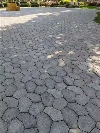
Unfilled travertine retains its natural holes and surface texture. The voids are left open, giving the stone a more rustic and organic look.
Characteristics:
- Natural, textured surface
- More slip-resistant
- Rustic or Mediterranean aesthetic
- Requires more maintenance

Best Used For:
- Outdoor patios
- Pool surrounds
- Garden pathways
- Feature walls with natural character
Unfilled travertine highlights the stone's natural formation and is often chosen for projects seeking an authentic, earthy appearance.
Surface Finish Options
Both filled and unfilled travertine can come in different finishes:
- Honed
- Polished (usually filled)
The finish further influences appearance, texture, and slip resistance.
Which One Should You Choose?
The decision depends on:
- Project location (indoor or outdoor)
- Maintenance expectations
- Design style preference
- Slip resistance requirements
If you prefer a smooth, elegant look for interior spaces, filled travertine is usually the better choice. If you want a natural, textured appearance with more character, unfilled travertine may be more suitable.
Conclusion
The main difference between filled and unfilled travertine is whether the natural holes are sealed or left open. Filled travertine offers a smoother, more polished appearance, while unfilled travertine provides a rustic, natural aesthetic with added texture.
If you share your project application and design preference, I can help suggest the most suitable option.