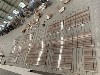

Granite countertops are known for their durability and longevity. When properly cared for, they can last a lifetime-typically 50 to 100 years or more.

Here are some key factors that influence their lifespan:
Factors Affecting Granite Countertop Lifespan:
1. Quality of the Granite
- Higher-quality, dense granite with fewer fissures lasts longer.
- Lower-quality granite may chip or stain more easily.
2. Installation Quality
- Proper sealing, leveling, and support prevent cracks and stress damage.
- Poor installation can lead to premature wear.
3. Maintenance & Sealing
- Granite should be sealed every 1–3 years (depending on porosity) to prevent stains and water damage.
- Regular cleaning with pH-neutral cleaners avoids etching or dulling.
4. Usage & Care
- Avoid excessive heat (use trivets for hot pans).
- Prevent heavy impacts (don't drop heavy objects).
- Clean spills promptly (especially acidic liquids like lemon juice or wine).
5. Environmental Factors
- Outdoor granite countertops may weather faster due to UV exposure and temperature fluctuations.
Signs Your Granite Countertop Needs Replacement:
- Deep cracks or structural damage
- Severe staining that can't be removed
- Excessive wear, pitting, or loss of sealant effectiveness
Conclusion
With proper care, granite countertops can easily last 50+ years, often outlasting the home itself. Regular sealing and gentle maintenance are key to preserving their beauty and functionality.
Would you like tips on maintaining granite countertops?