"Porphyry" holds significant meaning across several fields, primarily geology, history, art, and architecture. Its importance stems from its unique properties and historical associations:
1. Geological Significance:
Rock Type: Porphyry is an igneous rock characterized by a distinctive texture called porphyritic texture. This means it has large, well-formed crystals (phenocrysts) embedded in a finer-grained groundmass. This texture forms when magma cools slowly at depth (forming the large crystals) and then erupts or moves closer to the surface, cooling rapidly (forming the fine groundmass).
Economic Importance (Porphyry Deposits): The term "porphyry" is crucial in mining geology. Porphyry copper deposits (and similar deposits for molybdenum, gold, and tin) are the world's most important source of copper and a major source of other metals. These are large, low-grade deposits formed around porphyritic intrusive rocks where hydrothermal fluids circulated, depositing metals in fractures and within the rock itself. Their scale makes them economically viable despite the low grade.
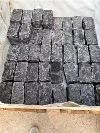
China Grey Porphryry blocks:

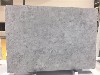
Fujian Porphyry stone colors:

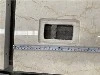
Dayang Red porphyry Bush hammered:

2. Historical & Cultural Significance:
Imperial Purple (Roman & Byzantine Empires): The most famous historical porphyry is Imperial Porphyry (Lapis Porphyrites). This exceptionally hard, deep purple to red volcanic rock came from a single quarry in the Eastern Desert of Egypt (Mons Porphyrites), operated exclusively by the Romans from around 29 AD until the 5th century.
Symbol of Power & Authority: Due to its rarity, intense color (purple was the imperial color), extreme durability, and exclusive control by the emperor, Imperial Porphyry became the ultimate status symbol.
Roman Emperors: Used for columns, panels, statues, and especially imperial sarcophagi. Being buried in a porphyry sarcophagus was a mark of supreme status reserved almost exclusively for emperors and their immediate family.
Byzantine Emperors: Continued this tradition. Porphyry was used extensively in the Great Palace of Constantinople. Emperors were born in a room lined with porphyry (the Porphyra), earning them the title "Porphyrogennetos" ("born in the purple"), signifying legitimacy and supreme birthright.
Symbol of Eternity: Its hardness and durability also made it a symbol of eternity and permanence, suitable for monuments meant to last forever.
3. Artistic & Architectural Significance:
Luxury Material: Imperial Porphyry was incredibly difficult to quarry, shape, and polish due to its hardness. This made objects fashioned from it immensely valuable and prestigious.
Reuse & Spoliation: After the fall of the Western Roman Empire and the decline of the Egyptian quarry, existing porphyry became even more precious. Columns, panels, and sarcophagi were reused ("spoliated") in significant medieval, Renaissance, and Baroque buildings (like churches in Rome – St. Peter's, Santa Costanza, Santa Sabina; Hagia Sophia in Istanbul; the Pantheon; and later St. Mark's Basilica in Venice). This reuse physically transferred the ancient imperial authority and sanctity to new Christian contexts.
Renaissance Revival: Renaissance artists and patrons, fascinated by antiquity, highly prized porphyry fragments and incorporated them into new works (sculpture bases, inlays - pietra dura) or imitated its color in paint ("porphyry red").
4. Etymology:
The name itself comes from the Ancient Greek word "πορφύρα" (porphýra), meaning purple, directly referencing the iconic color of the Imperial stone.
In Summary, the significance of porphyry lies in:
Geology: Defining a key rock texture and being the namesake of the world's most important type of copper deposit.
History & Culture: Being the ultimate symbol of Roman and Byzantine imperial power, authority, legitimacy, and eternity due to its rarity, color, and exclusive use.
Art & Architecture: Serving as the most prestigious luxury material of antiquity, whose reuse shaped later artistic and architectural traditions, carrying the weight of imperial history into new eras.
Porphyry, especially Imperial Porphyry, is far more than just a rock; it's a physical embodiment of ancient imperial power that continued to resonate for centuries.