
Andesite is a type of volcanic rock that is commonly found near active or inactive volcanoes. This rock is an intermediate type of volcanic rock, meaning that it is created through the melting and solidification of both basaltic and granitic rock.
Andesite is formed when magma from the mantle rises through the Earth's crust, carrying with it a mix of basaltic and granitic material. As this magma cools and solidifies, it creates the andesitic rock that is commonly found in volcanic regions.


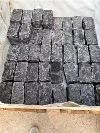
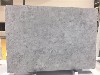
These two kinds of finishes are popular in application of our grey andesite. The honed finish tiles can be used for the flooring outdoors. The grooved tiles are widely used for the garden / park feature walls.
Any interest about them, please inquire us.
Contact diana@zhenhaostone.com now, thank you.
Other Information about Andesite Stones:
One of the most well-known locations for andesite formation is the Andes Mountains in South America. These mountains, which stretch over 4,300 miles along the western edge of the continent, are the result of millions of years of volcanic activity and plate tectonic movement.
Andesite can also be found in other volcanic regions around the world, including the Pacific Ring of Fire, the Aleutian Islands, and the Cascade Range in North America.
While some people may view volcanic activity and the formation of andesite as negative, it is important to remember that volcanoes and the rocks they create serve important ecological and geological functions. Andesite, for example, is used as a building material and is important for creating fertile soil in volcanic regions. Furthermore, volcanic activity can help to redistribute minerals and nutrients throughout the Earth's ecosystem.
In short, while the formation of andesite is often associated with volcanic activity, it is important to view this process in a positive light, recognizing the valuable role that volcanoes and volcanic rocks play in our world.