
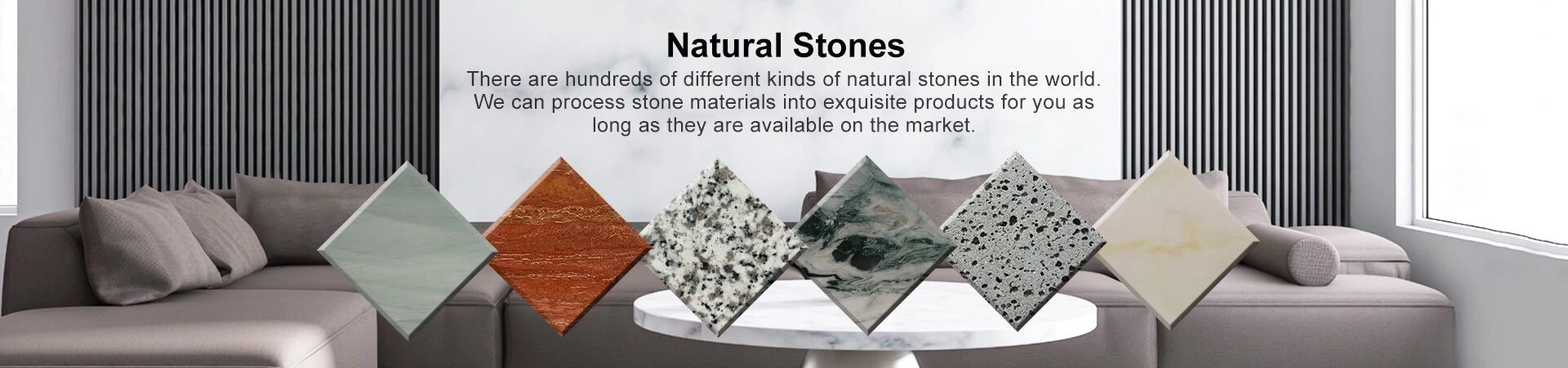
Choosing the "best" marble color for your bathroom depends heavily on your priorities: style, maintenance, lighting, and the overall feeling you want to create. Here's a breakdown of popular options and their pros/cons to help you decide:
Top Contenders & Their Strengths:
1. White & Light Gray (Carrara, Calacatta, Statuario, Thassos):
- Pros: Timeless, elegant, brightens the space (great for small/dark bathrooms), creates a clean/spa-like feel, versatile (works with almost any accent color), hides water spots and light dust better than darks. Carrara is generally the most budget-friendly white marble.
- Cons: Shows dirt, grime, and soap scum more readily than mid/dark tones. Stains easily (coffee, wine, cosmetics, rust) if not meticulously sealed and maintained. Requires frequent cleaning. Veining can sometimes look dirty if not chosen carefully. Can feel cold.
- Best For: Classic, bright, airy, luxurious spa bathrooms. Those committed to regular maintenance and sealing.
2. Creams & Beiges (Crema Marfil, Botticino, Travertine - technically limestone but often grouped):
- Pros: Warm, inviting, softer feel than stark white. Hides everyday dirt and dust better than pure white. Creates a cozy, traditional, or Mediterranean vibe. Generally less prone to showing water spots than white.
- Cons: Can look dated if not styled carefully. Still requires sealing against stains. Color variations can be significant between slabs. Travertine has characteristic holes/pits that need filling.
- Best For: Warm, traditional, inviting bathrooms. Good for hiding light dirt.
3. Mid-Tone Grays & Taupes (Nero Marquina accents, some Pietra Grey types, Bardiglio):
- Pros: Sophisticated, modern, less stark than white. Hides dirt and water spots significantly better than white/cream. Offers good contrast for fixtures and accents. Less prone to showing etching (dull spots from acids) than white.
- Cons: Can make a small bathroom feel smaller if used extensively on walls/floors. Needs sealing, though stains are less visible. Finding consistent slabs can sometimes be tricky.
- Best For: Modern, contemporary bathrooms. People wanting a balance of style and practicality in hiding marks.
4. Dark Tones (Absolute Black, Marquina, Portoro - gold veining on black):
- Pros: Dramatic, luxurious, ultra-modern, or opulent feel. Hides dirt, dust, and water spots extremely well. Stains are less visible (though sealing is still crucial!). Creates high contrast with light fixtures and accessories.
- Cons: Makes small or poorly lit bathrooms feel very dark and cave-like. Shows water spots, soap scum, and dust very obviously (requires frequent wiping to maintain the deep shine). Can show scratches and etching (dull spots) more visibly. Can feel cold or imposing.
- Best For: Large, well-lit bathrooms aiming for drama and luxury. Powder rooms where maintenance is easier. Those willing to wipe surfaces down frequently.
Key Factors to Consider When Choosing:
- Bathroom Size & Lighting: Small/Dark Bathrooms? Lean towards white, light gray, or cream to maximize light. Large/Well-Lit Bathrooms? Can handle darker marbles or dramatic veining.
- Maintenance Tolerance: Low Tolerance? Avoid pure white and dark high-gloss black (both show different types of marks easily). Consider mid-tone grays, taupes, or honed finishes. High Tolerance? Choose what you love (white, dark, high-gloss) and commit to sealing and cleaning.
- Desired Style/Aesthetic:
- Classic Spa: White/Gray (Carrara, Calacatta)
- Warm Traditional: Cream/Beige (Crema Marfil)
- Modern Minimalist: Pure White, Absolute Black, Mid-Gray
- Bold & Dramatic: Calacatta Gold/Viola, Portoro, Nero Marquina
- Application:
- Countertops: Highest risk for stains (cosmetics, toothpaste, drinks). Lighter colors show stains more, dark glossy shows water spots. Honed finishes hide etching better. Consider quartz for lower maintenance if worried.
- Floors: Subject to dirt and water. Mid-tones often most practical. Dark shows dust/water spots. Light shows dirt. Ensure adequate slip resistance (honed finish).
- Walls/Showers: Less prone to staining than counters but still need sealing. Light colors brighten, darks add drama.
- Finish:
Polished: Glossy, luxurious, shows veining beautifully. Shows water spots, scratches, and etching most obviously.
Honed: Matte/satin finish. More forgiving on scratches, etching, and water spots. Better slip resistance for floors. Softer look.
- Veining: Dramatic veining (Calacatta Gold/Viola, Portoro) makes a statement but can dominate. Subtle veining (Carrara) is more classic. Ensure you see the actual slab(s) you'll get – veining varies wildly.
- Honorable Mention & Important Note:
Darker Veining on Lighter Backgrounds (Calacatta Gold/Viola, Statuario): Offers drama while keeping the space relatively bright. Stains and etching will still show on the light areas.
- The Reality of Marble in Bathrooms:
ALL marble requires sealing (high-quality impregnating sealer) upon installation and regular re-sealing (frequency depends on use and sealer type).
ALL marble is susceptible to etching from acids (vinegar, citrus, many toiletries, wine) which causes dull spots, especially on polished finishes. Honed finishes hide this better.
Maintenance is key: Use pH-neutral cleaners specifically for stone. Wipe up spills immediately. Avoid harsh chemicals.
Conclusion:
There's no single "best" color, but here's a quick guide based on common priorities:
Most Classic & Bright: White/Gray (Carrara, Calacatta)
Best for Hiding Everyday Dirt/Water Spots: Mid-Tone Gray/Taupe
Most Dramatic & Luxurious (in large spaces): Dark (Nero Marquina, Absolute Black) or Bold Veining (Calacatta Viola, Portoro)
Warmest & Most Inviting: Cream/Beige (Crema Marfil)
Most Practical Balance (Hides marks reasonably well, still bright): Lighter Mid-Tones (e.g., certain Pietra Greys)