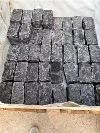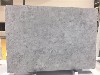

Marble is a metamorphic rock.
Detailed Explanation
To understand what this means, let's break down the three main types of rocks in geology:
- Igneous Rocks: Formed from the cooling and solidification of molten magma or lava. Examples: Granite, basalt, obsidian.
- Sedimentary Rocks: Formed from the accumulation and cementation of sediments (like sand, shells, and mud) at the Earth's surface. Examples: Limestone, sandstone, shale.
- Metamorphic Rocks: Formed when existing rocks (igneous, sedimentary, or even other metamorphic rocks) are subjected to intense heat and pressure deep within the Earth's crust. This process, called metamorphism, fundamentally changes the original rock's mineral composition and texture without melting it.

How Marble is Formed
- Parent Rock: Marble starts its life as a sedimentary rock-specifically, limestone or dolostone. Limestone is mostly composed of the mineral calcite (calcium carbonate), which often comes from compressed shells and marine organisms.
- The Transformation: When limestone is buried deep underground, it is subjected to tremendous heat and pressure from the overlying layers of rock and from tectonic forces.
- The Result: This heat and pressure causes the calcite crystals in the limestone to recrystallize and grow larger. The original features of the limestone (like fossils and layers) are usually destroyed, and a new, interlocking crystalline structure is formed. This new, transformed rock is what we call marble.
Key Characteristics of Marble
- Composition: Primarily Calcite (Calcium Carbonate, CaCO₃). This is why it reacts with acids (like vinegar or lemon juice), causing it to fizz and etch.
- Texture: Medium to coarse-grained; the crystals are visible to the naked eye.
- Hardness: Relatively soft compared to other decorative stones. It scores a 3 on the Mohs scale of mineral hardness (where talc is 1 and diamond is 10). For comparison, granite is around 6-7.
- Appearance: Famous for its beautiful array of colors and veins. These are caused by mineral impurities (like clay, silt, sand, iron oxides) that were present in the original limestone.
In Commercial Context
In the stone industry (for kitchens, flooring, etc.), the term "marble" is often used more loosely. Geologically, a true marble is the metamorphic rock described above. However, commercially, the following are also often sold as "marble":
Some Limestones: Especially if they are polished and look similar.
Serpentine: A green metamorphic rock that is often called "verde antique marble."
Travertine: A form of limestone deposited by mineral springs, which is porous and often has holes.
Summary Table:
| Category | Classification of Marble | Explanation |
|---|---|---|
| Geological Type | Metamorphic Rock | Formed from limestone under heat and pressure. |
| Original Rock | Limestone (a Sedimentary Rock) | Its "parent" rock. |
| Main Mineral | Calcite | Makes it soft and reactive to acid. |
| Commercial Type | Natural Stone / Dimension Stone | Sold for use in sculpture, buildings, and countertops. |
In conclusion, while it is broadly and correctly called a "stone," its precise scientific classification is a metamorphic rock.